

Strait of Hormuz Closure: 10 Financial Impacts on Households
The Press Association examines ten critical ways that ongoing disruption to the vital Strait of Hormuz shipping route could directly affect personal finances across the United Kingdom. With US President Donald Trump delaying strikes on Iranian energy sites by five days, the threat of prolonged closure looms, as Prime Minister Sir Keir Starmer's spokesman emphasised the urgent need to reopen the strait.
Oil and Gas Supplies
A primary consequence of the Strait of Hormuz disruption is its severe impact on global oil and gas supplies. This crucial channel, linking the Persian Gulf with the Gulf of Oman and Arabian Sea, facilitates approximately one-fifth of the world's oil shipments and significant seaborne gas. In 2024, around 20 million barrels of oil transited daily, with over 80% of crude oil and liquefied natural gas destined for Asian markets. Although UK imports from the Middle East are limited, heightened demand for alternatives has driven global prices upward, sharply increasing crude oil and natural gas costs in recent weeks.
Fuel Prices at the Pump
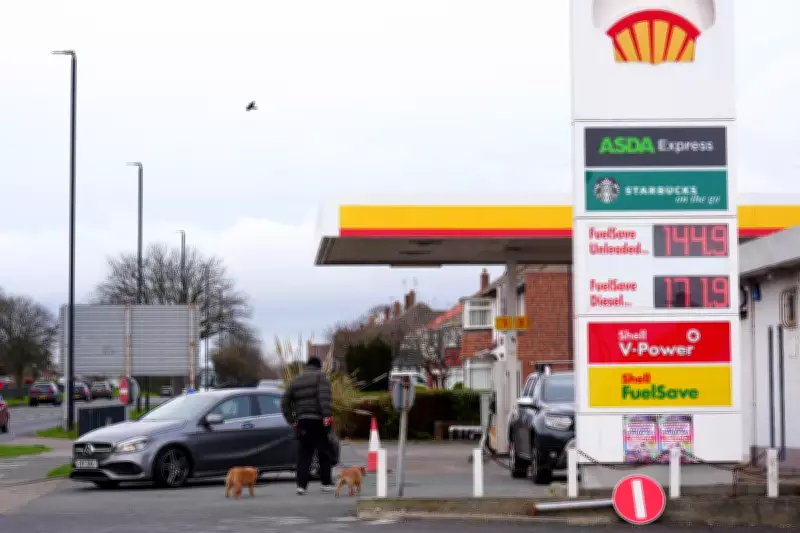
Higher crude oil prices swiftly translate into increased wholesale fuel costs, pushing petrol pump prices sharply higher. Since the escalation of Middle East conflicts in late February, unleaded petrol has risen by 14p per litre, an 11% increase. Diesel vehicle drivers face even steeper hikes, with prices up 29p per litre, about 20%, reaching the highest levels since January 2023. Simon Williams, RAC's head of policy, warned drivers of a rough ride at the pumps leading up to the Easter break, with no immediate relief in sight.

Household Energy Bills
Elevated wholesale energy prices are expected to gradually affect household gas and electricity bills, though current fixed rates last until June. Ofgem's next price cap in July, based on average prices from March to May, is forecasted by Cornwall Insight to surge to £1,973 annually for typical dual-fuel households—a £332 or 20% increase from April's cap. The Bank of England cautioned that even brief conflicts could sustain higher energy prices, raising inflation projections through 2026.
Heating Oil Costs
Heating oil, used by about 1.5 million UK households, primarily in Northern Ireland, falls outside Ofgem's price cap. The Competition and Markets Authority is investigating sudden price increases linked to the conflict. In response, the government allocated £50 million to assist low-income families using heating oil, with distributions of £17 million to Northern Ireland, £27 million to England, £4.6 million to Scotland, and £3.8 million to Wales.
Fertiliser and Food Prices
Middle Eastern regions are major producers of fertilisers like ammonia and sulphur, and disruptions could escalate costs for farmers globally. Experts warn that price spikes might affect bread, cereals, pasta, potatoes, and animal feed. Jonathan Owens, a supply chain expert at the University of Salford, noted that rising costs and shipping delays could disrupt planting cycles, while livestock farmers may grapple with higher feed prices, threatening meat and dairy production stability and making staples more expensive or scarce.
Shop Prices and Supply Chains
Increasing oil and shipping costs, alongside supply route disruptions, may filter into shop prices over coming months. Sectors like fashion, electronics, and homeware could be impacted as UK brands rely on global supply chains near the region. Manufacturers facing higher wholesale energy prices might pass costs to consumers, with effects depending on conflict duration and energy price elevations.
Perfume and Luxury Goods
Specific categories at risk include fragrances, as the Middle East supplies key ingredients such as oud for luxury perfumes. Retail analyst Marty Bauer highlighted luxury confectionery, like pistachio-rich Dubai chocolate, which depends on imported nuts and specialty ingredients. Shipping disruptions could make these products pricier or harder to source, affecting dates, olive oil, nuts, and spices like saffron.

Interest Rates and Borrowing Costs
The Strait of Hormuz disruption has altered the trajectory for UK borrowing costs, previously on a downward trend. The Bank of England maintained interest rates at 3.75% last week, with governor Andrew Bailey indicating further cuts were not on the horizon and hinting at possible hikes. Policymakers suggested rates might need to rise in response to persistent inflationary pressures.
Mortgage Market Volatility
Britain's major lenders have increased mortgage rates recently, with nearly 1,500 homeowner deals withdrawn from the market, according to Moneyfacts. Lenders are adjusting rates and products amid shifting inflation expectations, driven by Middle East conflicts. Rising swap rates, used to price mortgages, have contributed to this volatility, impacting homeowners and prospective buyers.
Investment Uncertainty
Disruptions in global energy markets are causing significant financial market volatility, heightening uncertainty for investors. Experts advise taking a long-term view and ensuring portfolio diversification. Tom Stevenson of Fidelity International emphasised that holding a diversified spread of investments can provide smoother returns over time, noting that market fluctuations during uncertainty are the price for superior long-term gains.





