State Pensioners Born Before 1962 Exempt from New Cash ISA Rule Changes
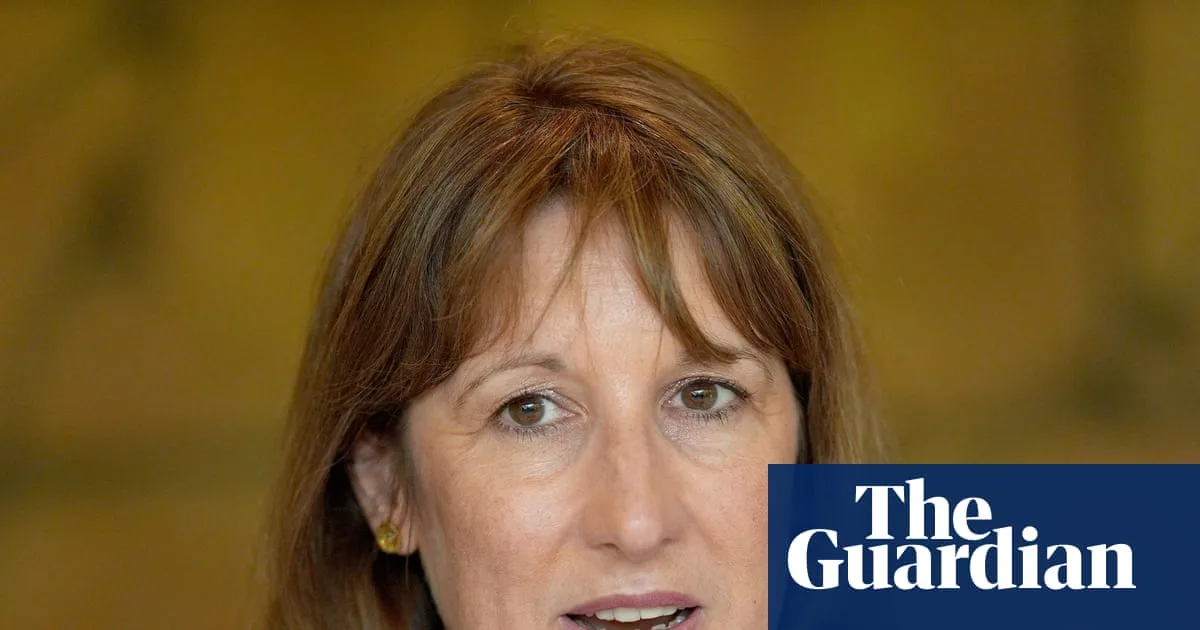
In a significant announcement during the Budget, Chancellor Rachel Reeves has confirmed that cash Individual Savings Accounts (ISAs) will see their tax-free annual allowance reduced from £20,000 to £12,000 for individuals under the age of 65. This change is scheduled to take effect from April 2027. However, a crucial exemption has been introduced for state pensioners born before 1962, who will continue to benefit from the existing higher allowance of £20,000 per year.
Details of the New Savings Rule
The existing £20,000 annual allowance can currently be used in a single cash ISA or spread across multiple ISA products according to the saver's preference. These accounts do not automatically close at the end of the tax year, allowing individuals to either open a new ISA or, in some cases, continue contributing to existing accounts when the new tax year begins. To be eligible to open an ISA, one must be at least 18 years old and either reside in the UK, be a member of the armed forces, or a Crown servant working overseas.
The government's stated objective behind this policy shift is to "ensure people's hard-earned savings are delivering the best returns and driving more investment into the UK economy." By reducing the cash ISA limit for younger savers, the aim is to encourage them to invest rather than save, as investments typically offer higher average returns over time, which could also stimulate economic growth.
Exemption for Older Savers
The exemption for state pensioners born before 1962 addresses concerns that a blanket reduction would unfairly impact older individuals who may rely more heavily on cash savings for security and income. This carve-out ensures that those over 64 can maintain their current savings strategies without disruption.
Expert Commentary and Reactions
BBC and ITV personality Martin Lewis provided insights on the policy, noting, "There's logic in here based on the policy aims. Whilst I would've preferred a carrot, not stick approach – this isn't as bad as it could've been, £12,000 per year is still a reasonable whack for many people." He further explained that the policy is not designed to raise revenue but to incentivize younger people to invest, which could benefit both the economy and their personal finances.
Lewis also highlighted his prior discussions with the Chancellor, stating, "When I met the Chancellor on this a few weeks ago, I pointed out that a blanket cut to the limit would be perverse; to cut cash ISA limits for older people to encourage younger people to invest wouldn't work. So, the carve out for over-64s makes total sense and I'm pleased she listened." He emphasized the need for complementary measures, such as improved investment education, easier access to guidance, and better investment incentives for young people, to ensure the policy's success.
Implementation and Future Implications
The reduction in the cash ISA limit to £12,000 for those under 65 will be implemented in April 2027, giving savers time to adjust their financial plans. This move is part of broader efforts to reshape savings and investment behaviors in the UK, with a focus on long-term economic benefits. The exemption for state pensioners born before 1962 underscores the government's recognition of the unique financial needs of older citizens, ensuring they are not adversely affected by these changes.
As the policy unfolds, it will be important to monitor its impact on savings rates, investment trends, and overall economic activity. The government's approach reflects a balancing act between encouraging investment among younger demographics and protecting the financial stability of older savers.