Scotland has probably "fallen over the Laffer curve" after the SNP increased the top income tax rate to 48p, according to the Tax Policy Associates think-tank.
The rate, which applies to earnings above £125,000 a year, is 3p higher than the 45p top rate paid elsewhere in the UK. The Scottish government expected the move to produce a windfall, but an analysis of HMRC data found that tax receipts actually declined.
Tax raid backfires
Dan Neidle, head of Tax Policy Associates and a former adviser to the Scottish Government, said the policy was expected to raise an additional £53 million. Instead, revenues dropped by between £15 million and £30 million, with Neidle estimating the actual loss at around £22 million for the tax year 2024/25.
The Laffer curve, developed by economist Arthur Laffer, argues that revenues begin to fall once taxes pass a certain level. That is because people decide to work less, move to a country with a more favourable tax regime, or use legal methods to reduce their taxable income – such as taking dividends rather than a salary, paying more into a pension or cutting their hours.
Whatever the precise figure, the evidence points to a tipping point beyond which high earners will no longer keep paying ever higher tax rates.
Scotland's tax burden and public services
Under SNP rule, Scotland has six income tax bands, double the number in England, and is the highest-taxed part of the UK. The comparisons are stark: anyone earning more than £33,500 a year pays more tax than south of the border, while those on salaries above £50,000 pay almost £1,500 extra compared with their English counterparts.
Supporters of higher taxes argue that they are needed for better public services, but the SNP's record over two decades has been poor. Scotland has the highest rate of drug deaths in Europe, and NHS waiting lists and A&E waiting times reached record levels this year. Major projects, from new ferries to hospitals in Edinburgh and Glasgow, have repeatedly failed to be delivered on time and within budget.
Similar waste and mismanagement can be found in the public sector elsewhere in the UK, but the real lesson from Scotland is that the left-wing quick fix of taxing the well-off more does not always deliver the expected cash and carries other economic consequences.
Warning for Healey and Burnham
Punitive tax rates do nothing to encourage growth. They send a negative message to entrepreneurs, investors and skilled workers on above-average salaries, who may decide to build businesses or live in a place where success is not punished.
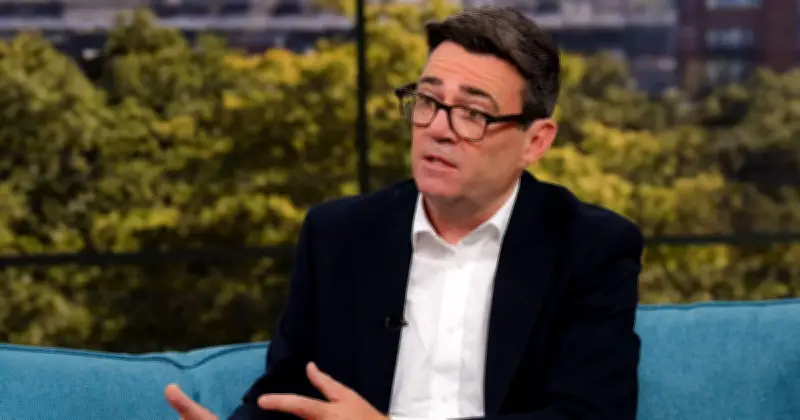
That warning is relevant across Westminster, particularly for new Chancellor John Healey as he plans a Budget later this year that is expected to include new forms of taxation. It also applies to Andy Burnham, the Mayor of Greater Manchester, who is seeking more money – the argument is that he should look to boost the economy rather than soak the rich.
The Prime Minister has pledged not to increase income tax, in line with the 2024 Labour Party manifesto. Politicians of all parties should learn from the SNP's experience next time they are tempted to raise taxes: it is not always the solution they imagine it to be.