

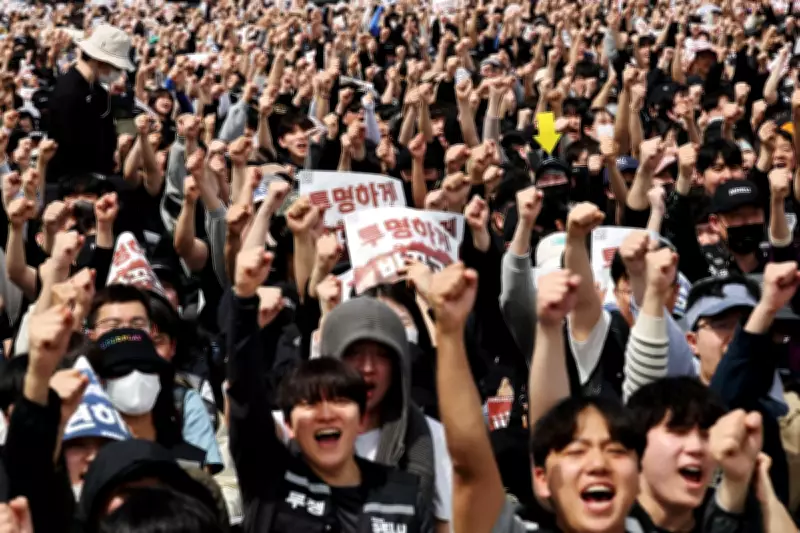
Samsung Electronics is bracing for its most significant labour dispute in history as nearly 48,000 unionised workers prepare to walk off production lines for 18 days starting Thursday. The strike, centred on demands for higher bonus payouts, threatens to disrupt global supplies of memory chips amid an artificial intelligence-driven boom.
What does the union want?
The union is demanding that Samsung abolish a cap limiting bonuses to 50% of annual salaries and allocate 15% of annual operating profit to a bonus pool for workers. It also wants these changes to be binding beyond this year.
Samsung’s counteroffer
In March negotiations, Samsung proposed a one-off bonus for this year that would exceed levels paid by rival SK Hynix for some memory chip workers, and bonuses of 50% to 100% for logic chip staff. However, the company refuses to abolish the 50% bonus cap permanently.

Why now?
Both Samsung and SK Hynix have posted record profits due to a global memory chip shortage fuelled by AI demand. SK Hynix abolished its bonus cap last year, leading to bonuses three times higher than Samsung’s, prompting many workers to defect and boosting union membership.
How might the strike unfold?
The strike is far larger than the 2024 walkout involving 6,000 workers. Nearly 48,000 employees—38% of Samsung Electronics’ domestic workforce—are expected to participate, mostly chip workers. A court has partially granted Samsung’s injunction, requiring 7,087 essential workers to remain on duty. Samsung’s chip factories run 24/7 in three shifts at sites like Pyeongtaek and Hwaseong.
Why the concern?
Samsung is the world’s largest DRAM chip maker with a 36% market share. An 18-day strike could disrupt global DRAM supply by 3–4% and NAND supply by 2–3%, likely driving up prices. Samsung accounts for nearly a quarter of South Korea’s exports, and the central bank warns that a worst-case scenario could shave 0.5 percentage points off the country’s forecast 2.0% economic growth, with potential losses of around 30 trillion won ($19.9bn) in chip production plus additional weeks of disruption.






