

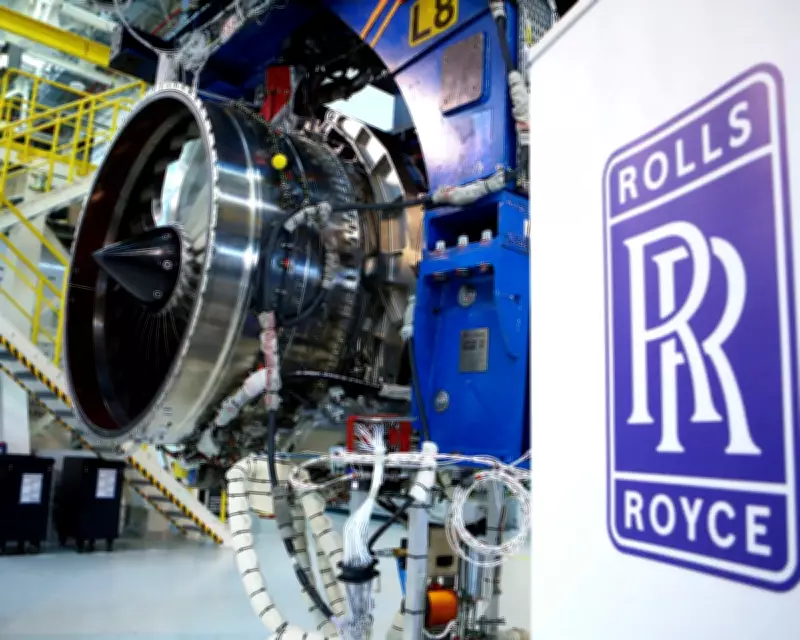
The debate over government subsidies for Rolls-Royce has intensified, with critics labelling them as excessive, yet many analysts contend that such financial support is unavoidable in the current economic climate. This move, while contentious, is seen as crucial for protecting thousands of jobs and ensuring the UK remains a key player in the global aerospace sector.
The Rationale Behind the Subsidies
Rolls-Royce, a cornerstone of British manufacturing, has faced significant challenges in recent years, including supply chain disruptions and increased competition from international rivals. The subsidies are designed to bolster the company's research and development efforts, particularly in sustainable aviation technologies, which are vital for meeting environmental targets.
Economic and Strategic Implications
Supporters argue that without these subsidies, Rolls-Royce could lose ground to competitors in countries like the United States and China, where state-backed funding is commonplace. This could lead to a decline in the UK's industrial base and a loss of high-skilled employment opportunities. The subsidies are framed as a strategic investment to maintain national security and economic resilience.

However, opponents highlight the perceived unfairness, suggesting that taxpayer money should not prop up a profitable corporation. They point to potential risks of creating a dependency culture and distorting market competition. Despite these concerns, the consensus among policymakers is that the benefits outweigh the drawbacks, given the company's role in critical infrastructure and export revenues.
Future Outlook and Public Reaction
Public opinion remains divided, with some viewing the subsidies as a necessary evil to safeguard the economy, while others criticise them as a misuse of public funds. The government has emphasised that the support is conditional on Rolls-Royce meeting specific performance targets, including job retention and innovation milestones.
In the long term, this policy could set a precedent for other sectors, influencing broader industrial strategy. As global economic pressures mount, such interventions may become more frequent, reshaping the landscape of UK business support and international trade relations.






