

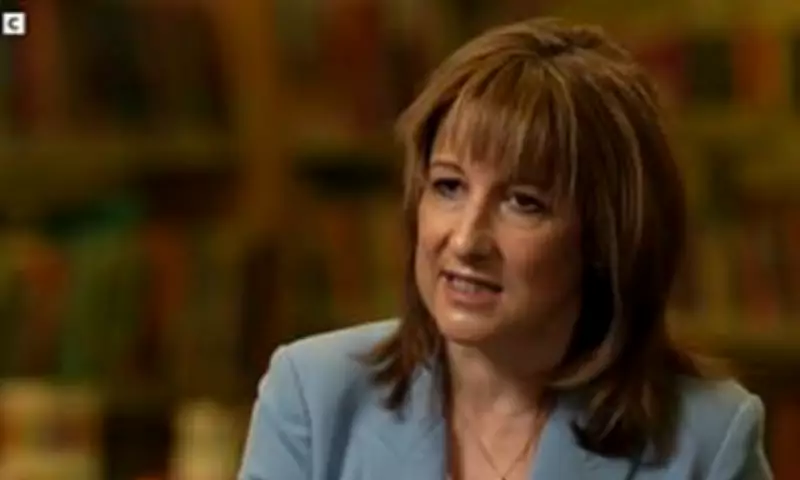
Chancellor Rachel Reeves has strongly hinted that the government will not implement a cut in fuel duty to assist struggling motorists, even as chaos in the Middle East drives pump prices to their highest levels in years. In a recent interview on BBC Breakfast, she emphasised the need for fiscal discipline, warning that increased borrowing could exacerbate inflation and mortgage costs.
Soaring Fuel Prices and Global Instability
Diesel has been particularly hard-hit, with fears mounting over potential shortages. This crisis is exacerbated by Iran's blockade of the Strait of Hormuz and former US President Donald Trump's unpredictable statements, which swing between predicting a swift end to the conflict and threatening further escalation. The situation has left many British drivers desperate for relief at the pumps.
Reeves Defends Fiscal Stance
When challenged that other nations have reduced VAT and duty to provide quick assistance, Ms Reeves pointed out that she has already frozen fuel duty until September. She stressed the importance of maintaining control over public finances, stating, 'I've managed to get the public finances under control... I do not want to undo the work that we have done to put our public finances on a firmer footing.'

She elaborated on the risks of borrowing, noting, 'We do have to be careful because every time you borrow more you put upward pressure on inflation, upward pressure on mortgage costs. And you guarantee that taxes end up being higher in the future to pay back any money that you have borrowed to provide support.' Ms Reeves added candidly, 'If I promised that I could alleviate every price increase for every person I wouldn't be telling the truth.'
Targeted Energy Bill Support
Ms Reeves also reiterated that any bailout for energy bills is unlikely to be rolled out before the autumn. She confirmed that such support will be specifically targeted at low-income households, rather than the wealthy. This approach has sparked criticism, with concerns that middle-earners may once again bear the burden of subsidising those on benefits.
Learning from Past Mistakes
When pressed on whether assistance could extend beyond benefit recipients, the Chancellor explained, 'We're looking at ways in which we can support people based on their household income.' She highlighted lessons from previous crises, stating, 'I want to learn the lessons of the past because when Russia invaded Ukraine, the richest, the best-off third of households got more than a third of the support. That makes no sense at all.'
Regarding the timing of the support, Ms Reeves pointed out that gas usage is typically lowest from July to September, especially among families and pensioners, due to the summer months. This seasonal factor influences the planned autumn rollout, ensuring resources are allocated when need is greatest.






