

Chancellor Reeves Pledges 'Nothing Off the Table' in Energy Crisis Response
Chancellor Rachel Reeves has firmly declined to rule out abandoning a scheduled fuel duty increase set for September, as she commits to exploring all avenues to assist consumers grappling with escalating energy expenses. The backdrop to this urgent situation is the volatile conflict between the US-Israel alliance and Iran, which has sent shockwaves through global energy markets.
Targeted Support Under Scrutiny Amid Market Turmoil
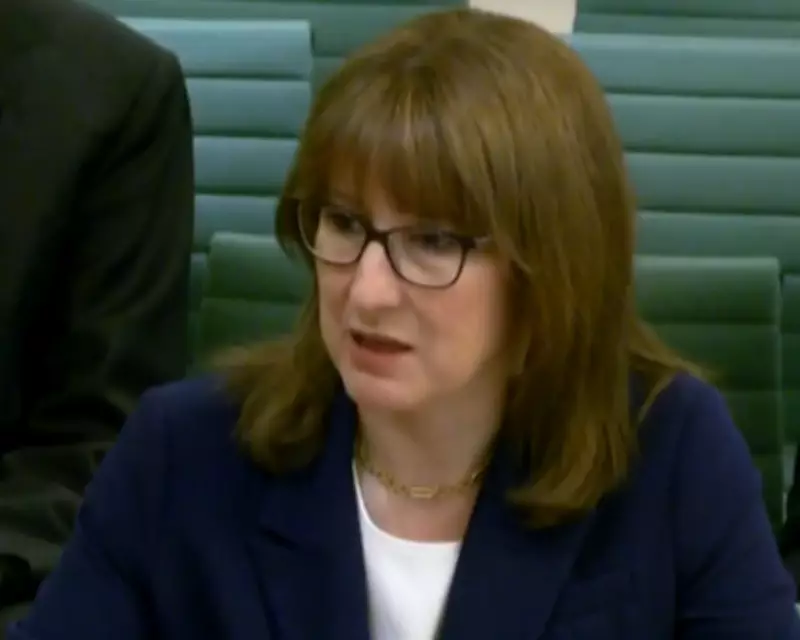
Addressing the Treasury select committee, Reeves emphasised that the government is actively considering both "targeted support and broader measures" to mitigate the impact on households. However, she cautioned that it remains "too early" to definitively determine whether emergency assistance will be necessary. The chancellor highlighted the administration's primary focus on de-escalating the Middle East conflict and ensuring the safe transit of oil and gas exports through the strategically vital Strait of Hormuz.
In a significant move, Reeves confirmed that Britain stands ready to collaborate with other member nations of the 32-country International Energy Agency by potentially releasing strategic oil reserves. This coordinated effort aims to curb the soaring crude prices that have recently peaked, with oil briefly hitting $119.50 per barrel earlier this week—a level not witnessed since 2022.

Fuel Duty Increase Hangs in the Balance
Pressed by Conservative MPs on whether she would scrap the planned fuel duty rise—scheduled to phase out a 5p reduction implemented after Russia's invasion of Ukraine—Reeves maintained that all tax policies are under continuous review. She stated, "It is much too early when those changes are not due to come into effect until September to guess where petrol prices will be then." This stance aligns with Prime Minister Keir Starmer's remarks in the Commons, where he affirmed that the fuel duty freeze will persist until September, with the situation being closely monitored.
The chancellor faces mounting pressure from opposition parties, including the Tories, Reform UK, and the Liberal Democrats, who are advocating for the cancellation of the tax hike on petrol and diesel. Fuel prices at filling stations have surged sharply due to concerns that the Middle East unrest could disrupt supplies, driving wholesale costs toward record levels.
Crackdown on Profiteering and Market Transparency
Reeves underscored the government's determination to prevent fuel retailers from exploiting the crisis for excessive profit. Ahead of a crucial meeting with industry leaders and the Competition and Markets Authority, she articulated a preference for fostering a competitive market over direct subsidies. "I am very loth to spend government money on something the market should be doing itself. And that is why greater competition and greater transparency about pricing is so important," she explained.
The chancellor advocated for enhanced consumer access to pricing information across different petrol forecourts, rather than allocating public funds that might inadvertently benefit retailers. This approach comes as the Office for Budget Responsibility warns that UK inflation could remain elevated at 3% by year's end, partly due to the Iran conflict, potentially limiting fiscal flexibility for emergency support packages.
Fiscal Constraints and Green Energy Insulation
Despite these constraints, Reeves asserted there is "scope for interventions in the short-term," following measures to address high borrowing and debt levels. She pointed to Britain's strengthened position through investments in green energy, which have reduced reliance on volatile global oil and gas prices. "Over the next few years we will be even more insulated as more of that renewable energy comes online and as we build the infrastructure to better connect it to the grid," she added, highlighting a long-term strategy to buffer against future energy shocks.






