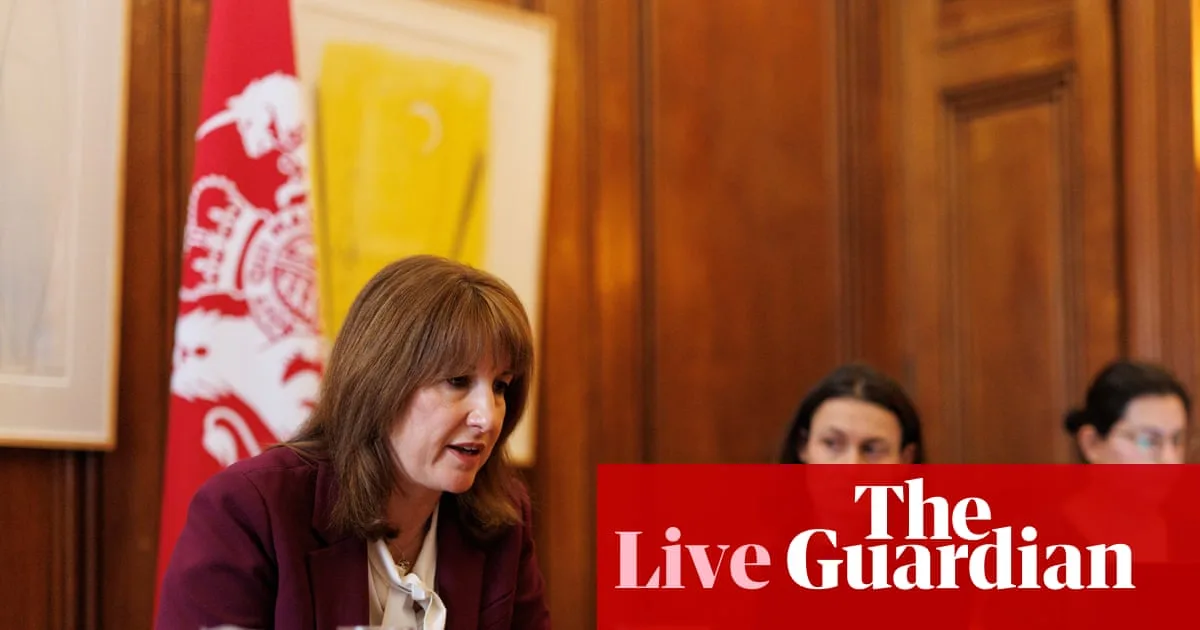
Chancellor Rachel Reeves has warned that the escalating conflict between the United States and Iran could fuel inflation in the UK, as oil prices surged above $100 a barrel for the first time since 2022. Speaking amid the crisis, Reeves urged fuel retailers not to make 'excess profits' from the oil price spike, while signalling support for a coordinated release of emergency oil reserves.
The warning came as G7 finance ministers held a video call on Monday but failed to agree on releasing strategic crude stockpiles to calm markets. French Finance Minister Roland Lescure said the group was 'not there yet' on an agreement, though they stood ready to use 'any necessary tools if need be' to stabilise the market, including potential stockpile releases.
Oil prices have risen sharply, with US crude reaching $103.30 a barrel and Brent crude hitting $104.70, marking gains of around 13% in a single day. The surge has raised concerns that UK interest rate cuts are unlikely this year, and a rate rise could be ahead if inflation pressures persist.

The International Energy Agency (IEA) called for a coordinated release of emergency oil reserves during the G7 call, according to Japanese Finance Minister Satsuki Katayama. However, India has said it is not planning to release reserves in coordination with the IEA and has no immediate plans to raise retail fuel prices.
Market analysts have drawn comparisons to the 1970s oil shocks, warning that the current crisis could lead to sustained inflationary pressures. Deutsche Bank strategist Jim Reid noted that during the 1979 Iranian Revolution, oil prices surged by 150% even though the net loss to global supply was only 4–5%, driven by uncertainty and precautionary stockpiling.