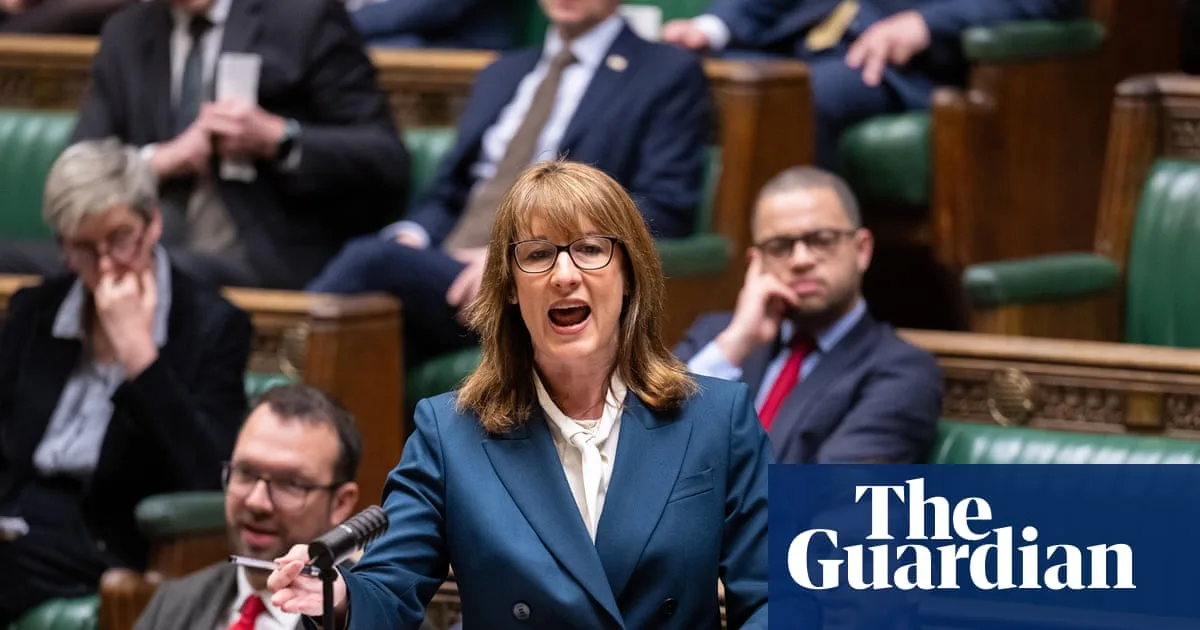
Reeves Urged to Tax War Profits to Fund Household Energy Support
Reeves Urged to Tax War Profits for Household Support

Chancellor Rachel Reeves is facing mounting pressure to implement new taxes on corporations generating substantial windfall profits linked to the ongoing US-Israel military conflict with Iran. The revenue raised would be directed toward emergency cost-of-living support for British households struggling with soaring energy bills.

Charities and Unions Demand Action

A coalition of prominent charities, campaign groups, and trade unions has issued a direct appeal to Prime Minister Keir Starmer and Chancellor Reeves. In an open letter, organisations including Greenpeace UK, the National Education Union, and Tax Justice UK argue that specific sectors are poised to reap significant financial gains from the economic turmoil following the Middle East hostilities.

Sectors Identified for Potential Levies

The groups have pinpointed several industries they believe stand to benefit disproportionately:

Wide Pickt banner — collaborative shopping lists app for Telegram, phone mockup with grocery list
  • Energy companies already subject to the North Sea windfall tax
  • Major banking institutions and financial services firms
  • Agricultural commodities businesses dealing in affected regions
  • Defence contractors supplying military equipment
  • Technology firms with relevant security or logistics interests

The coalition is urging the Labour government to not only strengthen the existing Energy Profits Levy on North Sea oil and gas producers but to also introduce new, targeted taxes on excess profits within these additional sectors. They contend this approach could generate billions in additional Treasury revenue.

Funding Household Support and Economic Resilience

The proposed tax revenue would serve a dual purpose according to the signatories. Primarily, it would fund immediate, targeted assistance for households grappling with the sharp increase in energy prices directly linked to the conflict's disruption. Secondly, it would invest in long-term measures to bolster the UK's energy security and economic resilience against future shocks.

"We urge you to make this crisis a turning point for the UK," the letter states. "Taking bold action to systemically reform our tax system and invest in our energy security will build resilience in our economy to withstand future shocks and make life affordable for people and businesses in the UK."

Government Response and Existing Measures

Chancellor Reeves has previously indicated the government's readiness to provide targeted help for households facing economic hardship due to the conflict. She has also issued a stern warning to corporate entities, stating she will not tolerate profiteering from the crisis. The Competition and Markets Authority has been placed on alert to detect and crack down on any instances of price gouging.

A Treasury spokesperson highlighted existing sector-specific taxes: "The UK already has additional sector-specific taxes on the banking and energy sectors. We want to avoid a situation where some companies choose to exploit this crisis to unfairly hike prices for working people."

Political and Commercial Pressure Mounts

The call for action comes amid broader political pressure on the government to support both households and businesses while preventing corporate exploitation. This pressure is particularly acute with challenging local elections approaching in May.

Notably, Richard Walker, the Labour peer and chair of Iceland supermarkets who also serves as the Prime Minister's "cost of living champion," recently urged Starmer to consider implementing a profits cap on energy and fuel companies.

Coordinated Campaign Voices Concerns

Faiza Shaheen, Executive Director of Tax Justice UK, who coordinated the open letter, expressed frustration at the perceived lack of urgency: "Spain has already frozen rents, yet our government fails to show urgency. The chancellor needs to get a grip on the situation to help people already struggling, and show that this will not be yet another crisis where the rich get richer, while everyone else foots the bill."

The campaign group Mainstream, launched last year with backing from figures like Andy Burnham, is among the signatories, highlighting internal party dynamics as Labour faces calls to alter its policy direction.

Pickt after-article banner — collaborative shopping lists app with family illustration

The existing Energy Profits Levy on North Sea oil and gas firms is scheduled to remain until 2030, though Reeves had reportedly considered easing it prior to the escalation of conflict in late February. The situation remains fluid, with the government balancing fiscal responsibility, market stability, and urgent public need.