

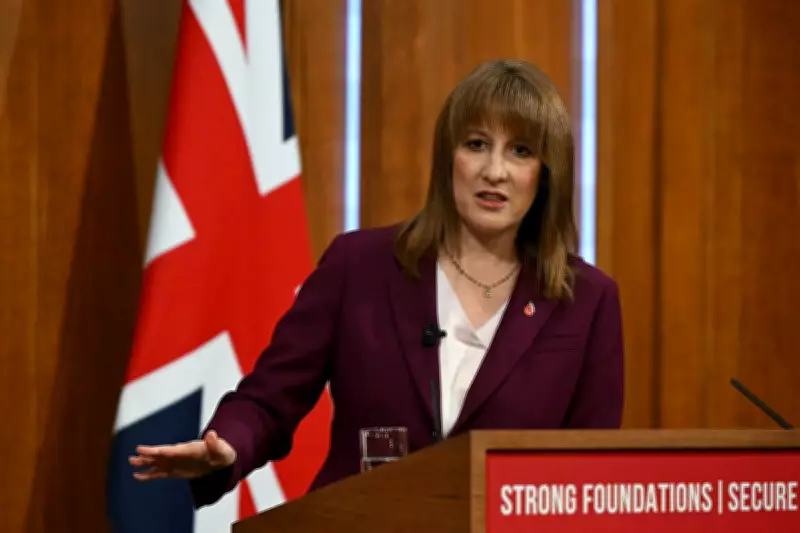
Chancellor Rachel Reeves is facing mounting pressure to impose higher taxes on businesses profiting from the ongoing conflict in Iran, with revenues earmarked for emergency support to struggling UK households. The call comes as soaring oil prices and disrupted global trade threaten to severely impact the British economy.
Open Letter Demands Action on Corporate Profiteering
A coalition of more than 40 leading UK charities, unions, and advocacy groups has penned an open letter to Prime Minister Sir Keir Starmer and Chancellor Rachel Reeves. Signatories include prominent organisations such as Greenpeace UK, Tax Justice UK, the National Education Union, and Global Witness. They argue that companies capitalising on the Iran war should face increased taxation, with the generated funds directed toward immediate cost-of-living assistance and long-term economic resilience projects.
Economic Fallout from the Iran Conflict
The US-Israeli military engagement in Iran has triggered a dramatic spike in oil prices, with Brent Crude surpassing $100 per barrel. This surge is largely attributed to Tehran's control over the Strait of Hormuz, a critical maritime chokepoint for global oil shipments. As oil flows dwindle, the ripple effects are being felt worldwide, particularly in import-dependent Asian nations that have declared emergencies due to dwindling reserves.

The Organisation for Economic Cooperation and Development (OECD) has issued a stark warning, projecting that the UK will be the hardest-hit economy among G20 countries. Growth forecasts for 2026 have been downgraded from 1.2% to a mere 0.7%, underscoring the vulnerability of the British economy to external shocks.
North Sea Firms in the Spotlight
The open letter highlights that North Sea energy companies are poised to reap "bumper profits" from the elevated oil prices. According to the End Fuel Poverty Coalition, if energy prices remain at levels observed on 18 March 2026, the Energy Profits Levy could generate over £200 million in monthly tax revenue. The coalition and other signatories condemn the notion of private entities profiting excessively during crises while ordinary citizens bear the brunt of economic hardship.
The letter states: "It is not right that extraordinary profits, generated off the backs of ordinary people during periods of crisis, are siphoned off into private hands and corporate bank accounts. All whilst households and businesses are in urgent need of substantial support to cope with the affordability crisis."Growing Calls for Government Intervention
The push for action is gaining momentum, with Richard Walker, the government's own cost-of-living champion, urging Sir Keir Starmer to consider implementing a profits cap on energy and fuel companies. This aligns with the broader demand for measures to shield consumers from corporate profiteering.
Faiza Shaheen, executive director of Tax Justice UK and coordinator of the letter, criticised past governmental inaction: "Too often UK governments have failed to protect households and small businesses from the profiteering corporates and super-rich individuals who circle around crises like vultures. Spain has already frozen rents, yet our government fails to show urgency. The Chancellor needs to get a grip on the situation to help people already struggling, and show that this will not be yet another crisis where the rich get richer, while everyone else foots the bill."
Impact on Households and Proposed Solutions
Simon Francis of the End Fuel Poverty Coalition emphasised the dire situation facing consumers: "Gas prices have more than doubled since late February, and households are already struggling with energy bills that have been stuck at elevated levels for five years. The latest global disruption is a stark reminder of the cost of our dependence on imported fossil fuels. Every time conflict or instability strikes overseas, ordinary households pay the price through their energy bills."
He called for urgent government measures to redirect excess corporate profits toward public support, suggesting initiatives such as wiping out household energy debt, enhancing the Warm Home Discount, and accelerating investments in home insulation to mitigate the economic strain on families.

The signatories argue that the Iran war should serve as a pivotal moment for the UK, prompting reforms to address systemic vulnerabilities. They warn that without intervention, energy bills, fuel costs, and essential goods will become increasingly unaffordable, exacerbating the long-standing cost-of-living crisis for both households and businesses.





