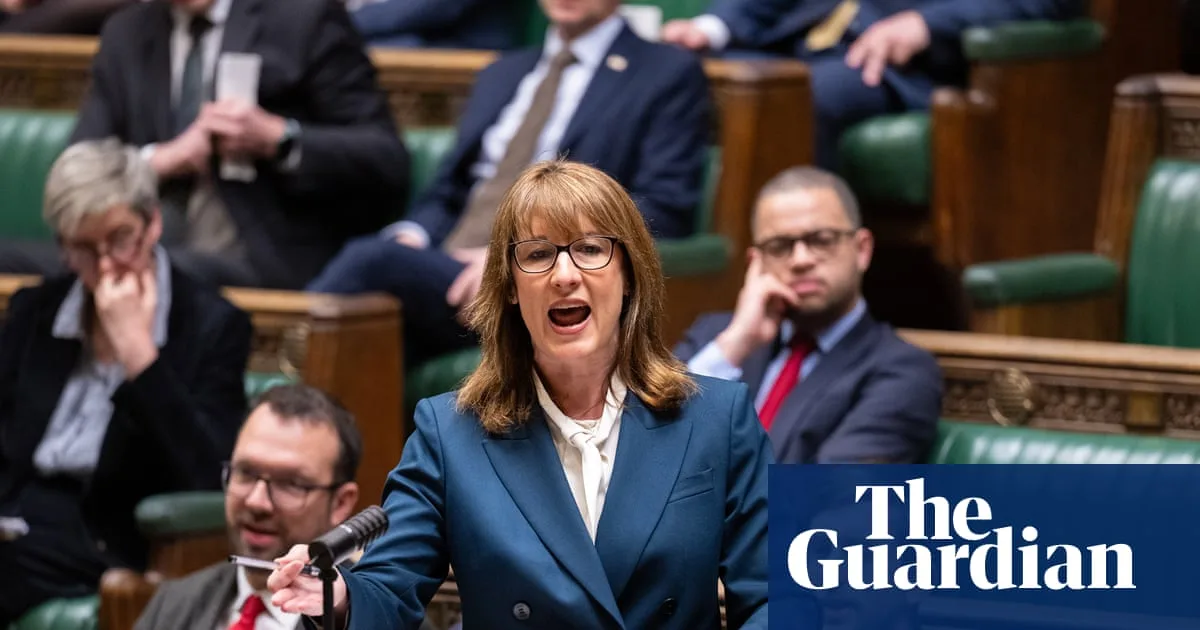
Chancellor Reeves Faces Mounting Pressure Over Fuel Duty Amid £8bn Energy Windfall
Reeves Under Pressure as Govt Eyes £8bn Energy Windfall

Chancellor Rachel Reeves Confronts Intensifying Calls to Aid Struggling Motorists

Chancellor Rachel Reeves is facing escalating demands to provide relief for desperate drivers today, as revelations emerge that the government is poised to receive an £8 billion windfall from soaring energy prices. Despite this financial boost, Ms Reeves continues to reject calls to reduce duty on fuel at the pumps, a measure already adopted by several nations including Australia, Spain, and Poland in response to Middle East turmoil.

Financial Gains Amidst Motorist Struggles

While surging oil costs have driven prices to over £1.80 per litre for diesel and £1.52 for petrol, the Treasury is reportedly benefiting from a daily revenue increase of £20 million. This windfall stems from a combination of higher VAT income on fuel, levies on North Sea profits, and excess profit taxes imposed on power generators. Although debt interest payments are on the rise, elevated inflation is also expected to amplify income tax collections, pulling millions of Britons deeper into the tax system due to pay increases, especially after Ms Reeves froze tax thresholds until 2031.

Political and Economic Tensions Escalate

These estimates surface as Prime Minister Keir Starmer convenes another Cobra emergency meeting to address the looming impact of the Iran crisis. The Conservative opposition has insisted that immediate action is necessary, rather than further discussions. In a concerning development, former US President Donald Trump has reportedly informed aides that he is considering halting his military campaign even if Tehran does not reopen the critical Strait of Hormuz, a vital passage for approximately one-fifth of the world's oil supplies.

Wide Pickt banner — collaborative shopping lists app for Telegram, phone mockup with grocery list

Ministers have been issuing reassuring messages to the public, encouraging them to continue booking flights abroad and driving as usual. Sir Keir recently summoned energy and shipping firms to Downing Street, urging collaborative efforts to mitigate the crisis's effects. Ms Reeves has indicated that any potential bailout is unlikely to be announced soon and would be targeted at benefits claimants rather than middle-income households.

Global Warnings and Domestic Concerns

Privately, concerns are mounting about the economic repercussions. Some ministers advocate for the Prime Minister to communicate more directly with the public about the challenges ahead. The International Monetary Fund has warned that the conflict is reviving fears of a gas crisis similar to that of 2021-2022 in Europe, with Italy and the United Kingdom particularly vulnerable due to their reliance on gas-fired power. Lars Jensen, former director of shipping giant Maersk, cautioned that this crisis could surpass the energy shocks of the 1970s, which triggered a global recession.

Government Response and Analysis

In broadcast interviews, Treasury Chief Secretary James Murray declined to confirm whether further action would be taken on energy bills or the fuel duty freeze beyond September. He reassured the public that bills are expected to decrease over the next three months, despite ongoing Middle East tensions. Mr Murray also questioned analysis from The Times regarding the government's potential windfall, suggesting that shifts in VAT receipts from other goods to energy could actually reduce overall revenue due to lower tax rates on fuel.

Meanwhile, Conservative leader Kemi Badenoch has urged the Prime Minister to abandon what she termed a bonkers ban on new drilling in the North Sea, emphasizing that the oil and gas sector has clearly stated its needs. Energy analysts have recommended conservation measures, such as lowering motorway speed limits and suspending domestic flights, but Downing Street has downplayed the need for immediate action, asserting that the UK remains well-supplied.

Projected Revenue Breakdown

According to analysis for The Times, the government is projected to gain around £3.5 billion annually from the energy profits levy on North Sea oil and an additional £2.4 billion from gas sales. Hundreds of millions more would be raised from excess profit taxes on Britain's power generators, implemented since the Ukraine war outbreak. The RAC has further suggested that the government could earn an extra £2 billion from VAT on petrol sales, highlighting the complex financial dynamics at play.

Pickt after-article banner — collaborative shopping lists app with family illustration

As the situation evolves, Whitehall sources indicate a delicate balance between alarming the public and preparing them for potential tough decisions, with the crisis's severity increasing over time.