

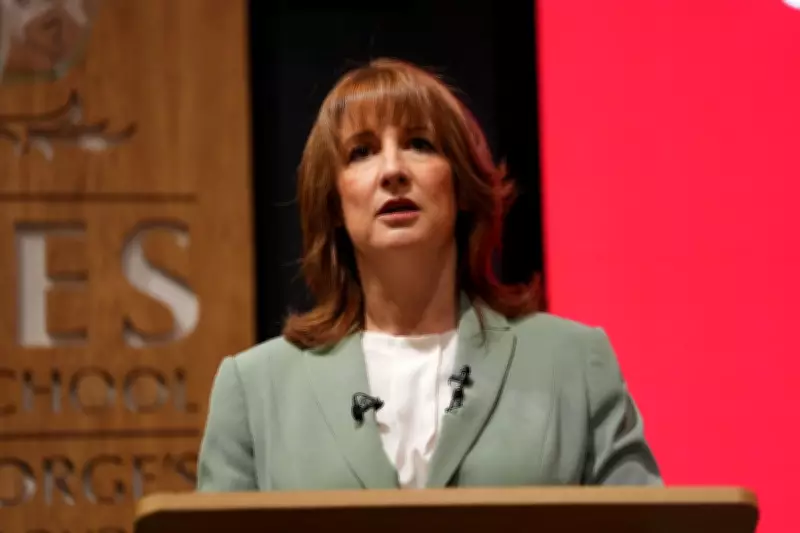
Chancellor Rachel Reeves to Unveil Anti-Profiteering Plan Amid Iran War Crisis
Chancellor Rachel Reeves is poised to announce a comprehensive set of measures designed to shield the British public from what she terms "unfair price rises" during the escalating Middle East crisis. The announcement, scheduled for a statement to Members of Parliament on Tuesday, follows an emergency Cobra meeting where the government discussed urgent responses to the economic fallout from the Iran war.
Anti-Profiteering Framework and CMA Powers
Central to the plan is the introduction of an "anti-profiteering framework" aimed at curbing companies that exploit the ongoing conflict for excessive gain. This initiative, which has garnered support from Prime Minister Sir Keir Starmer, includes proposals to bolster the powers of the Competition and Markets Authority (CMA). The enhanced authority would enable the CMA to more effectively combat price gouging, particularly in sectors like energy and retail, where consumers are most vulnerable.
Lord Richard Walker, the government's cost-of-living tsar, has been a vocal advocate for these measures. He has recommended implementing a temporary profit cap to prevent energy and petrol retailers from accruing windfall profits during the crisis. This recommendation comes as fuel prices have surged dramatically, with diesel reaching a three-year high and petrol prices also climbing significantly, placing additional strain on drivers ahead of the Easter holiday period.

Impact of Fuel Price Surges
The timing of Reeves' announcement is critical, as the conflict in Iran has triggered a sharp increase in oil prices, exacerbated by former US President Donald Trump's threats to target Iranian gas fields. This geopolitical tension has directly translated into higher costs at the pump, affecting millions of Britons. The government's response aims to mitigate these impacts by ensuring that companies do not unfairly profit from the situation, thereby protecting household budgets during a period of economic uncertainty.
In summary, the Chancellor's plan represents a proactive approach to safeguarding consumers from exploitative practices, leveraging regulatory tools and emergency measures to maintain economic stability amidst global turmoil.






