

Chancellor Rachel Reeves to Exclude Middle-Income Families from Energy Bill Bailout
Chancellor Rachel Reeves is set to signal today that middle-income families will not receive government assistance with soaring energy bills, as she responds to the escalating Middle East crisis. In a Commons statement this lunchtime, Ms Reeves is expected to make clear that any bailout will be targeted rather than universal, focusing support on poorer households while leaving middle earners to fend for themselves.
Targeted Support Amid Economic Turmoil
Brits are facing an agonising squeeze on living standards, despite former US President Donald Trump declaring he is seeking a way to end the US-Israeli war on Iran. Labour leader Keir Starmer yesterday warned that the turmoil could continue for 'some time', suggesting that the closure of the crucial Strait of Hormuz and damage to infrastructure might still be resonating by Christmas. He also highlighted the strain on public finances, with fears that a 'Trumpflation' shock could drive up spending and borrowing costs.
Domestic energy bills are currently capped until July, but experts predict they could rise by a fifth or more thereafter, putting intense pressure on Ms Reeves to devise a support package. Fuel duty is due to increase in September, compounding the pain for drivers already grappling with eye-watering pump prices. Food bills are also under close scrutiny, as fertiliser costs spike due to much of the world's supply originating from the Middle East.

Fiscal Discipline and Borrowing Concerns
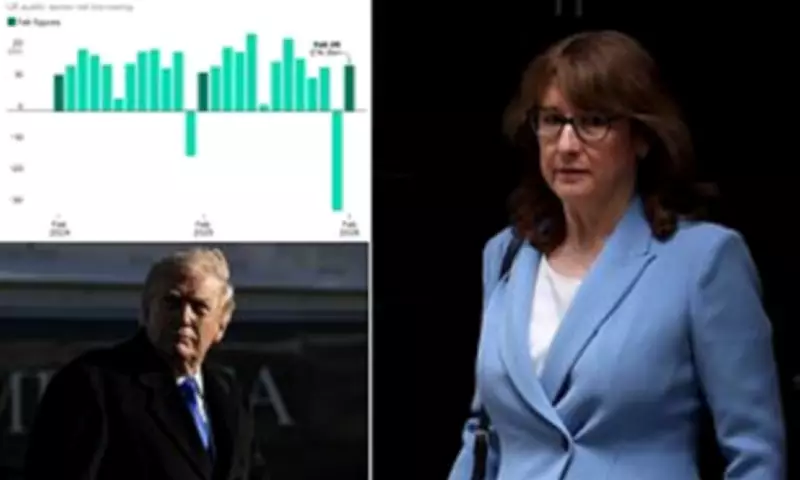
Despite Ms Reeves having pushed the tax burden towards a record high since entering Number 11, figures last week revealed that the public sector racked up the highest February borrowing on record outside of the Covid pandemic, far exceeding analysts' expectations. The Chancellor has acknowledged the need for 'disciplined' spending, with indications that poorer households on benefits will be prioritised in any support scheme.
Energy minister Michael Shanks, touring broadcast studios this morning, stated that the government is 'obviously looking at a range of options' for prospective support. When pressed on whether help would be targeted rather than universal, Mr Shanks noted the scale of the bailout implemented by the Tories in 2022, which cost £40 billion. He emphasised the importance of learning from past interventions while addressing current challenges.
Anti-Profiteering Measures and Energy Strategy
Ms Reeves will make her statement to MPs following an emergency Cobra meeting held yesterday. Her announcements will include an 'anti-profiteering framework' designed to detect and crack down on companies exploiting the Middle East crisis for unfair gain. The Competition and Markets Authority is set to be given 'more teeth' to root out price gouging, ensuring that consumers are protected from predatory practices.
However, Ms Reeves is batting away pleas for Labour to scrap its opposition to new oil and gas exploration in the North Sea. The industry and even renewables groups have pointed out that the UK importing more fossil fuels does not aid the global push towards Net Zero. The Chancellor will argue that Britain needs a diverse mix of energy sources to shield the public from volatile oil and gas markets, vowing to boost nuclear power supplies as a key component of this strategy.
She will also announce that she is exploring government-backed indemnities for critical energy security projects, allowing construction to continue even if a project faces legal challenges. This move aims to ensure that essential infrastructure developments are not derailed by protracted disputes, thereby enhancing the UK's energy resilience in uncertain times.






