Chancellor Rachel Reeves Defends Economic Strategy Despite Sluggish 0.1% Growth
Reeves Stands Firm on Economic Plan Despite Weak Growth Figures

Chancellor Rachel Reeves Defends Economic Strategy Despite Sluggish 0.1% Growth

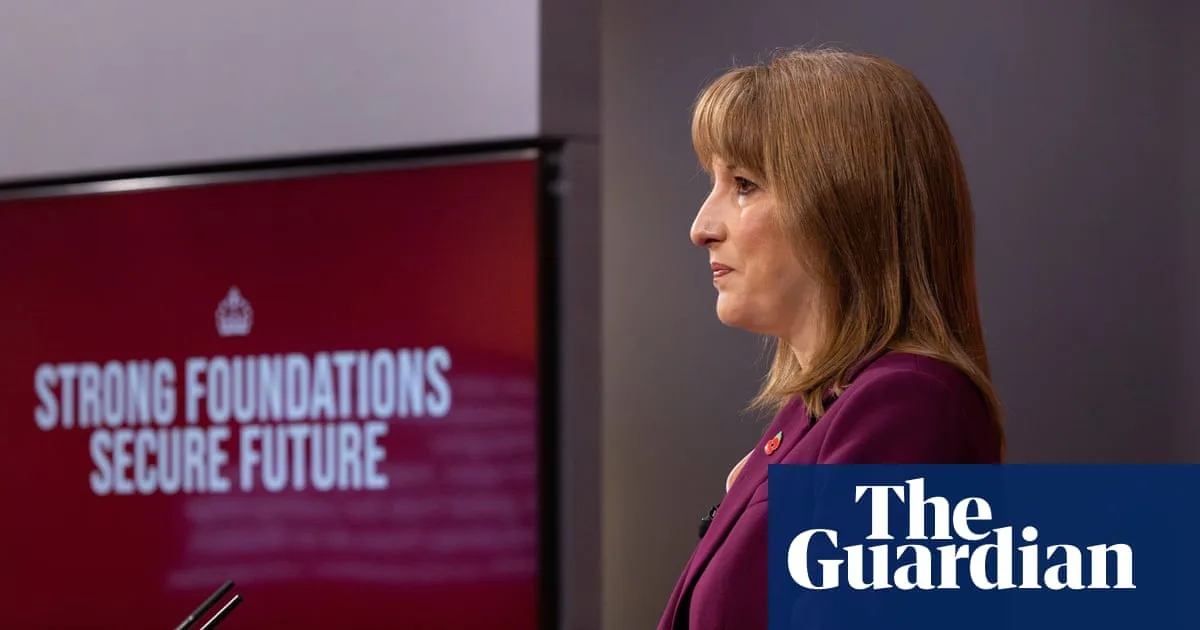
Chancellor Rachel Reeves has firmly rejected calls to alter the government's economic course despite newly released figures showing the UK economy grew by just 0.1% in the final quarter of 2025. The Labour chancellor insisted her party's plan is "beginning to deliver" for people across the country, even as growth remained stagnant at minimal levels.

Reeves Doubles Down on Economic Plan

When questioned about whether the government would reconsider its strategy following the disappointing growth data, Reeves told broadcasters: "We have a plan. We have a plan to grow our economy, and that plan is beginning to deliver." She elaborated on specific measures, stating: "We are putting more money in people's pockets. Is there more to do? Absolutely, which is why we've reformed the planning system to make it easier to build in Britain. It's why we are reducing the regulatory burden to make it easier for businesses to invest in Britain."

The chancellor further emphasized childcare improvements as part of the economic strategy, saying: "It is why we're putting money in people's pockets of working families by improving the childcare available to parents of young children. All of these things are good for productivity, are good for growth." Reeves concluded her defense by asserting: "We've got the right economic plan. It is beginning to deliver for people in our country and we'll be sticking to that plan."

Wide Pickt banner — collaborative shopping lists app for Telegram, phone mockup with grocery list

Latest Economic Figures Reveal Modest Growth

The Office for National Statistics (ONS) reported on Thursday that UK GDP expanded by just 0.1% between October and December 2025, matching the growth rate from the previous quarter. Despite this sluggish performance, the economy grew by 1.3% overall in 2025, representing an improvement from 1.1% growth in 2024 and marking the highest annual growth since 2022. However, this figure fell short of the Bank of England's 1.4% expectation and most economists' forecasts.

Liz McKeown, ONS director of economic statistics, provided analysis of the sectoral performance: "The economy continued to grow slowly in the last three months of the year, with the growth rate unchanged from the previous quarter. The often-dominant services sector showed no growth, with the main driver instead coming from manufacturing. Construction, meanwhile, registered its worst performance in more than four years."

Internal Concerns and External Pressures

Reeves' steadfast commitment to the current economic strategy comes despite revelations that Health Secretary Wes Streeting previously expressed concerns about the government having "no growth strategy" in private messages with Lord Peter Mandelson. These communications were published as part of Streeting's attempt to demonstrate transparency regarding his relationship with the disgraced peer.

The final quarter of 2025 proved volatile for the British economy, with output declining by 0.1% in October before rebounding by a downwardly revised 0.2% in November. This recovery was partly attributed to manufacturing sector improvements, including restored production at Jaguar Land Rover following a major cyber attack.

Business and Union Responses

The British Chambers of Commerce (BCC) has called for more decisive government action to support economic recovery. David Bharier, head of research at BCC, emphasized: "Improving the outlook now depends on restoring business dynamism. Government must move from strategy to delivery – backing infrastructure projects, speeding up planning decisions, addressing skills gaps, and strengthening export support – so firms can invest, export and grow."

Meanwhile, the Trades Union Congress (TUC) acknowledged the annual growth improvement but urged more aggressive monetary policy. General secretary Paul Nowak stated: "It's welcome that the economy kept growing in December, and last year's growth of 1.3% was the strongest for three years. But many workers are not yet feeling the benefit in their pockets." Nowak called for "quickfire interest-rate cuts" from the Bank of England to stimulate spending and help families overcome the ongoing cost-of-living crisis.

Pickt after-article banner — collaborative shopping lists app with family illustration

Future Economic Outlook

The Bank of England has revised its growth forecasts downward, reducing expectations for 2026 from 1.2% to 0.9% and for 2027 from 1.6% to 1.5%. While the first quarter of 2026 is anticipated to show stronger growth, sustained economic expansion remains contingent on several factors including reduced inflation, business adaptation to higher costs, and unemployment remaining above 5%.

Prime Minister Keir Starmer responded to the figures by stating on social media: "I know there's more to do, but we are heading in the right direction." The government maintains that its economic plan will ultimately build "a stronger and more secure economy, cutting the cost of living, cutting the national debt and creating the conditions for growth and investment in every part of the country."