

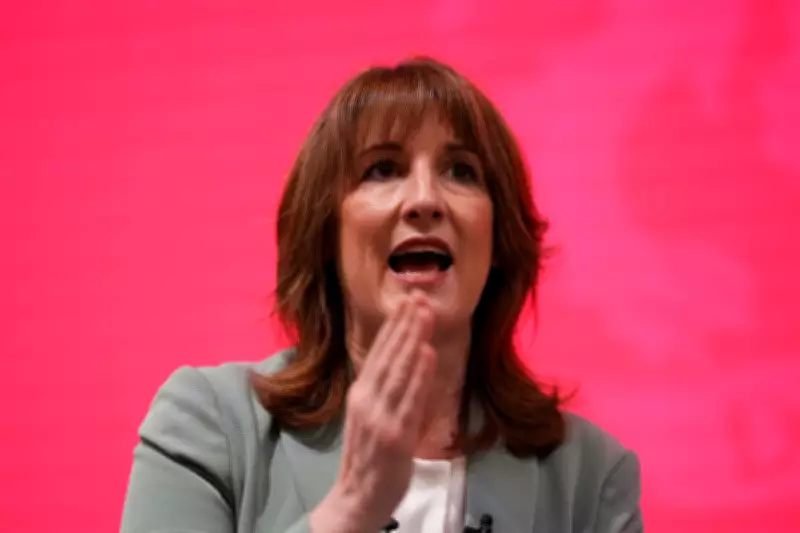
Rachel Reeves Must Enhance Economic Safeguards Amid Wartime Turmoil
In the wake of escalating conflict in the Middle East, Chancellor Rachel Reeves is facing mounting pressure to fortify Britain's economic defences against a potential wartime slump. While it would be unjust to attribute the geopolitical crisis to the government, the public rightly demands a more assured approach to national finances from the chancellor, whose recent spring statement now appears a distant memory of optimism.
From Optimism to Economic Uncertainty
Just three weeks ago, Rachel Reeves delivered a spring statement that projected a resilient economy, highlighting Britain as the fastest-growing G7 nation in Europe. She announced upgraded GDP forecasts for the latter years of the parliament, alongside a gradual decline in inflation and interest rates. Endorsed by the Office for Budget Responsibility, this vision promised a stronger, more secure economy with improved living standards across the country.
The unspoken reality was that Labour's earlier tough decisions on taxation and public spending were beginning to bear fruit, potentially restoring public confidence in governmental competence. However, the landscape has shifted dramatically since then.

OECD Report Highlights UK's Vulnerability
The latest analysis from the Organisation for Economic Cooperation and Development reveals that the UK is poised to suffer the most significant growth impact among G20 major economies due to the Iran war. Economic growth for 2026 is now forecast at a mere 0.7%, down from the previous estimate of 1.2%. This downturn threatens living standards and public services, with inflation and interest rates reversing their downward trajectory.
Chancellor Reeves' fiscal headroom appears increasingly inadequate unless the conflict concludes swiftly with a sustainable peace agreement. Larry Fink, chair of BlackRock, warns that a global recession could ensue if oil prices surge to $150 per barrel—a plausible scenario if tensions escalate further.
Policy Makers' Dual Responsibilities
In this volatile climate, the Treasury and the Bank of England shoulder two critical duties. First, they must shield the economy from a slump that could permanently impair future growth prospects. This requires avoiding overreaction to events, given the wide range of potential outcomes. If the conflict ends rapidly with eased regional tensions, the economic effects may be brief and mild. Conversely, a prolonged crisis could trigger the worst slump since World War II, leading to widespread wealth destruction.
The Treasury should continue leveraging automatic stabilisers, refraining from counterproductive attempts to curb short-term borrowing. However, to maintain investor confidence, this must be paired with a credible medium-term fiscal strategy. Such a plan should focus on structural reforms, particularly in social security, to foster a healthier balance of tax, spending, and debt.
Challenges in Household and Business Protection
With national debt nearing 100% of GDP, it becomes highly risky for the chancellor to implement blanket protections against soaring energy bills for households and businesses. Reeves has correctly emphasised that subsidies must be targeted and cash-limited. The alternative—further tax hikes or emergency cuts to public services—remains politically untenable.
Similarly, the Bank of England may need to cautiously adjust interest rates to prevent a domestic price-wage spiral, without stifling confidence and investment through aggressive hikes that could exacerbate economic woes.
Political Ramifications and Public Expectations
The coming year and a half could prove even more challenging for the government than the period following the optimistic start of July 2024. Whether voters will hold the administration accountable for stagnant or declining living standards remains uncertain.
While it is unfair to blame Prime Minister Keir Starmer and his team for an unwanted war in the Gulf, the public expects Chancellor Reeves to demonstrate sharper judgement and a steadier hand in navigating these turbulent economic waters. Her ability to adapt and implement effective policies will be crucial in averting a deeper crisis and safeguarding Britain's financial future.






