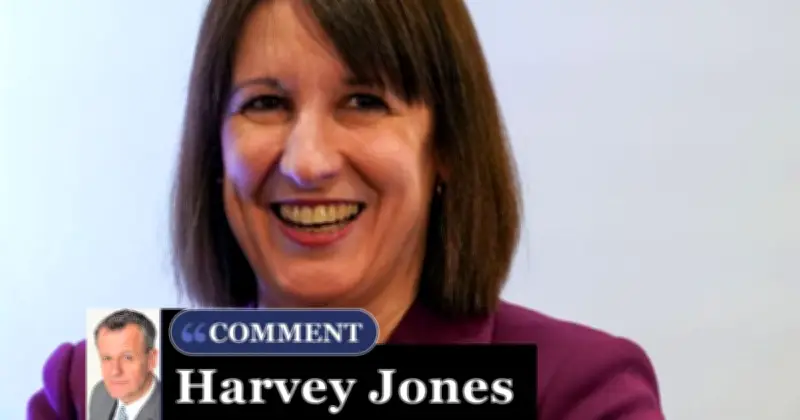
Rachel Reeves has left the Treasury, but the effects of her policies continue to shape the UK economy. The former Labour chancellor's decisions, particularly the "jobs tax" introduced in her first Budget, are still being felt across the labour market, with young people and low-paid workers bearing the brunt.
Jobs tax impact on employers and workers
The policy raised employer National Insurance contributions from 13.8% to 15% and cut the threshold from £9,100 to £5,000. While Reeves assumed working people would not notice because employers paid the levy, the costs have been passed on through higher prices, lower pay rises, fewer hires and redundancies.
Labour-backing tax expert Dan Neidle warned this was the "worst possible tax of all", a direct penalty on jobs, hiring, productivity and growth. The lowest-paid suffer most. Many shops, pubs and restaurants already struggling to make a profit were tipped over the brink, resulting in more lost jobs.
Youth unemployment and NEETs crisis
Charging National Insurance on workers earning just £5,000 made part-time hiring less attractive, both financially and administratively. Reeves also approved two significant minimum wage increases, taking the glory while businesses footed the bill. This has left youngsters scrambling for a dwindling number of entry-level jobs, with the UK's 1.25 million NEETs described as a national disaster.
Angela Rayner's Employment Rights Act, which came into force in April, has also contributed. Giving new employees statutory sick pay from day one deters employers from taking on young, unproven staff or those with mental health problems.
Unemployment rises and private sector losses
When Reeves became chancellor in July 2024, the headline unemployment rate was 4.1%. This week's ONS figures put it at 4.9%, while vacancies slump. Incredibly, 110,000 private sector jobs have gone since the start of the year, while the public sector has taken on 42,000. Without that, the headline number would be even worse.
While not all of this is down to Reeves, her policies have not helped. It means lower income tax and VAT receipts and more benefit claims, wiping out a chunk of the £25 billion her jobs tax was due to raise. This also leaves a shrinking band of private sector workers to fund Labour's public sector hiring spree.
Business rates and high street decline
Andy Burnham has complained about vape and betting shops taking over our streets, but they are a symptom of decay, not a cause. They have moved in as respectable firms shut down. Reeves paved the way here, too, with her "monster" increase in business rates of up to 182%.
Burnham and Chancellor John Healey are considering which taxes to increase in the Budget on October 28. They should start by reversing Reeves's job blunder. Instead, it looks like they will spend much of their time debating what they can tax to destruction next.