Chancellor Rachel Reeves Issues Inflation Warning Amid Iran Conflict
Chancellor Rachel Reeves has cautioned that the ongoing war in Iran is "likely to put upward pressure on inflation" in the coming months, highlighting significant economic risks for the UK. Her statement follows Prime Minister Sir Keir Starmer's earlier remarks that prolonged conflict in the Middle East could lead to economic damage domestically.
G7 Discussions and Oil Reserve Strategy
Ms Reeves participated in a virtual meeting with G7 finance ministers on Monday to explore a coordinated release of international oil reserves, aimed at mitigating the economic shock from the crisis. Although the discussions concluded without a firm agreement, the Chancellor affirmed her readiness to support such action. She emphasised the need to "guarantee the security of vessels passing through the Strait of Hormuz," a critical chokepoint for global oil shipments.
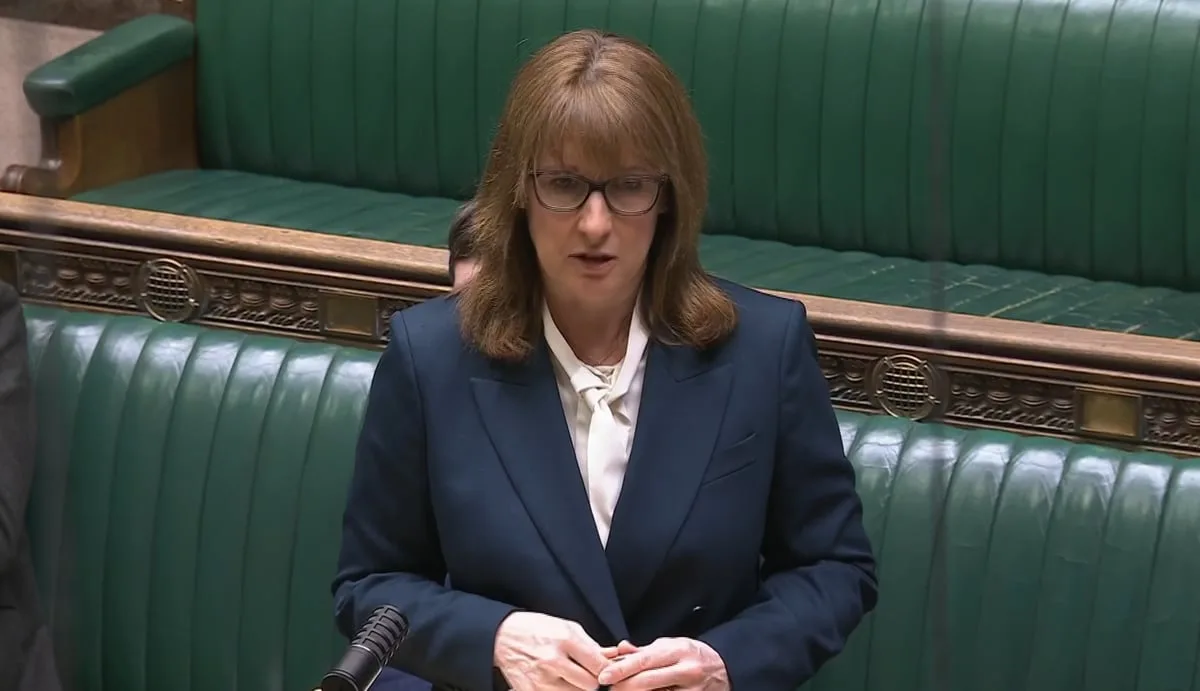
Oil prices have surged above $100 per barrel for the first time since 2022, driven by fears of supply disruptions. In a House of Commons address, Ms Reeves stated: "I am clear-eyed about my response to the current situation. My economic approach will both be responsive to a changing world and responsible in the national interest." She added that the economic impact hinges on the severity and duration of the conflict.
Economic Resilience and Anti-Profiteering Measures
The Chancellor underscored her commitment to maintaining economic stability, noting: "I want to ensure the country that the fundamentals of Britain’s economy are strong. Every step that I have taken since the election has built our national resilience." This includes efforts to stabilise public finances, invest in defence and energy security infrastructure, and implement economic reforms.
To protect consumers, Ms Reeves has directed the competition watchdog to closely monitor fuel pump prices and domestic heating oil costs, vowing not to tolerate companies exploiting the crisis for excess profits. Energy Secretary Ed Miliband echoed this stance in a social media post, warning the heating oil industry that "price gouging will not be tolerated."
Broader Economic and Political Fallout
Prime Minister Sir Keir Starmer reiterated the potential economic repercussions, telling a London community centre: "People will sense, you will sense I think, that the longer this goes on, the more likely the potential for an impact on our economy, impact into the lives and households of everybody and every business." However, he maintained that the UK economy remains resilient enough to absorb the likely impacts.
Other developments triggered by the war include:
- The AA advising drivers to reduce non-essential journeys due to expected fuel price hikes.
- Mortgage lenders increasing rates, as reported by financial website Moneyfacts.
- Global financial markets declining amid rising oil prices and energy supply concerns.
- The UK government organising rescue flights to repatriate Britons from Dubai.
- Downing Street dismissing speculation about deploying HMS Prince of Wales to the eastern Mediterranean.
- The Iranian regime appointing Mojtaba Khamenei as the new supreme leader following his father's death in US-Israeli strikes.
Ms Reeves concluded by reaffirming her proactive stance: "I stand ready to support a coordinated release of oil reserves held by the International Energy Agency," emphasising the need for swift action to cushion the economic blow from the Iran conflict.