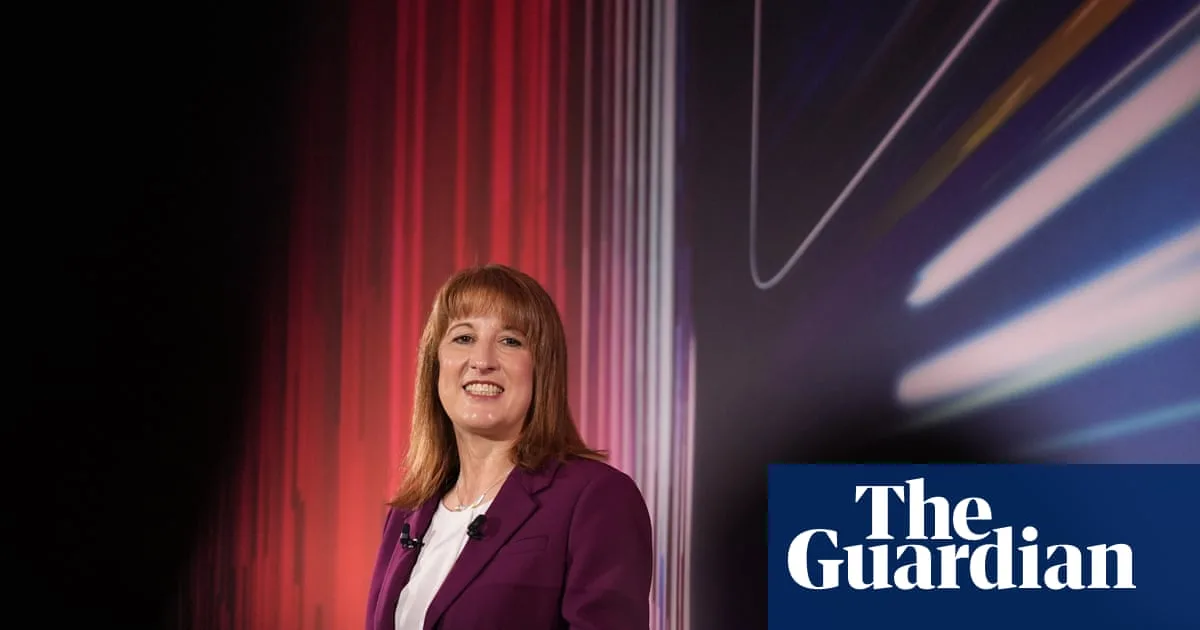
Chancellor Rachel Reeves has attributed the need for tax rises and spending cuts in next month's budget to a heavier-than-anticipated economic blow from Brexit and austerity. Speaking at an investment summit in Birmingham, she said the impact of leaving the European Union has been more severe than official forecasters predicted, with the Office for Budget Responsibility (OBR) expected to downgrade growth forecasts sharply.
Reeves stated that the OBR will be 'pretty frank' about how austerity, cuts to capital spending, and Brexit have had a bigger impact on the economy than projected. She emphasised the government's commitment to rebuilding relations with the EU to reduce costs 'needlessly added to businesses since 2016'. This marks a clear attempt by Labour to frame Brexit as a key factor in the country's economic challenges.
The chancellor's comments come as the government faces a potential £40bn shortfall in public finances, prompting expectations of a package of tax increases and spending cuts in the 26 November budget. The OBR has reportedly handed sharply downgraded forecasts to Reeves, driven by a reassessment of Britain's productivity growth, rising borrowing costs, and the financial impact of welfare U-turns. Official figures show government borrowing reached £99.8bn in the first six months of the financial year, £7.2bn more than forecast.
At the heart of the downgraded forecasts is a likely cut in productivity assessments, with the OBR previously admitting it has been too optimistic. A 0.2 percentage point reduction in productivity forecasts could leave a £14bn hole in finances by the end of the decade. Bank of England Governor Andrew Bailey recently warned Brexit would negatively impact the economy for the 'foreseeable future', while the OBR has estimated leaving the EU would reduce long-term productivity by about 4%.
Reeves is also expected to chair a cabinet meeting on Thursday to discuss measures to tame inflation, which is forecast to rise to 4% in September. A Treasury source said tackling the cost of living is the chancellor's 'No 1 focus', with all options on the table, including reducing energy bills. The chancellor expressed determination to 'defy the past and do better' by rebuilding EU relations, slashing planning regulation, and investing in infrastructure to boost growth and productivity.