

Chancellor Reeves Acknowledges 'Valid Argument' Against National Insurance Increase
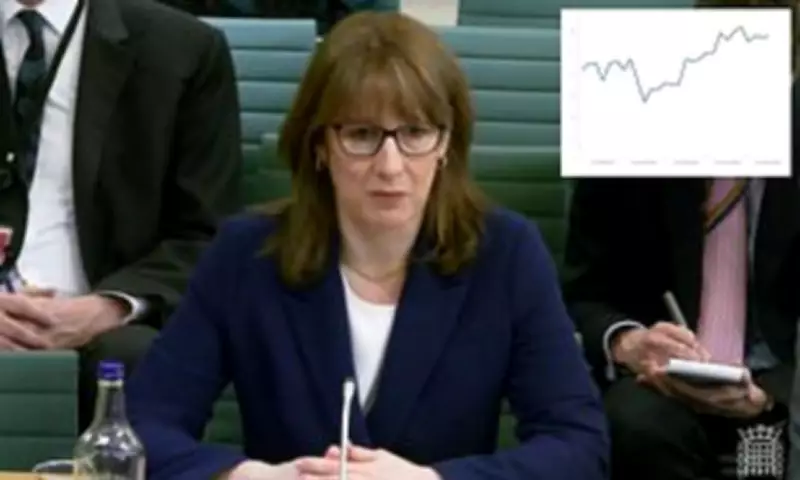
Chancellor Rachel Reeves has today conceded that there is a 'valid argument' against her decision to increase national insurance contributions in her first Budget. Appearing before the Treasury Select Committee, Ms Reeves stated she 'recognised' the case against the controversial fiscal move, which has coincided with rising unemployment figures—particularly affecting young people across the nation.
Defending the Decision Amid Economic Pressures
Pressed on her strategy to tackle growing unemployment, Ms Reeves insisted the national insurance hike was essential to fund public services. She elaborated: 'We did make the decision to increase national insurance in my first budget and that's because we needed to properly fund public services, including the National Health Service, which got a £29 billion-a-year uplift.'
The Chancellor further explained: 'So, I do recognise, and it's a valid argument to say that that should not have happened. But if that didn't happen, we wouldn't have been able to put the money into the NHS and reduce waiting lists.' She argued that reducing NHS waiting lists benefits the economy by making more people available for work and ensuring a healthier workforce.

Youth Unemployment and the NEET Crisis
However, Ms Reeves acknowledged specific concerns regarding youth unemployment, stating: 'But I do recognise there are particular issues around youth unemployment.' She noted that the government inherited a significant increase in young people not in education, employment, or training (NEETs), but assured that actions are being implemented from next month to address this.
Official figures released last month revealed that the number of NEETs aged 16 to 24 increased to 957,000 in the final quarter of 2025, up from 946,000 in the previous quarter. This represents approximately one in eight individuals in that age group, edging closer to the one million mark and highlighting a deepening crisis in youth employment prospects.
Government Initiatives and Economic Impact
In response to these challenges, the Chancellor highlighted the government's expansion of apprenticeship opportunities and her 'youth guarantee' policy. This commitment aims to offer guaranteed paid work for every eligible young person who has been out of education or employment for 18 months, targeting long-term unemployment among the youth demographic.
Separate economic data from earlier in February showed the overall unemployment rate for Britons rose to 5.2 per cent for the three months leading to November. Analysts and critics attribute part of this trend to businesses slowing their hiring processes due to increased employment costs. These costs have been driven by policy measures such as the rise in employers' national insurance contributions and an increase in the minimum wage, which some argue have battered the jobs market and crippled prospects for the younger generation.
Concerns continue to mount over the broader effects of hiking national insurance contributions for employers, with many warning that heaping extra costs on staffing could further destabilise the labour market. As the government balances fiscal responsibility with social welfare, the debate over national insurance and its impact on unemployment remains a pivotal issue in economic policymaking.






