

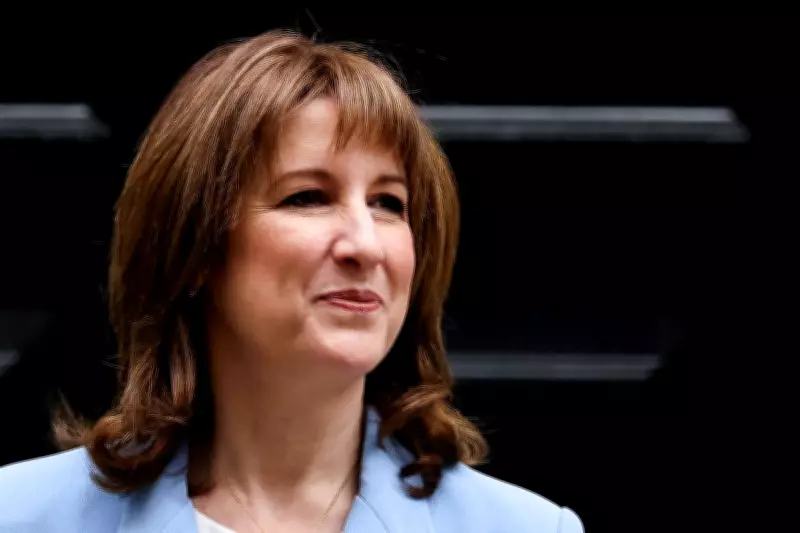
Chancellor Rachel Reeves is reportedly preparing to abandon a planned increase in fuel duty as costs continue to soar due to the ongoing conflict in the Middle East. The move comes amid intense pressure to shelve the plans following the blockade of the Strait of Hormuz, which has caused global fuel prices to surge.
Background of the Fuel Duty Plans
In the November budget, Reeves announced that the fuel duty reduction would be extended until the end of August 2026, with rates gradually returning to previous levels over the next five years. However, the planned increase has faced mounting opposition in recent weeks.
The fuel duty reduction was originally introduced by the Conservative government in March 2022 after the outbreak of the Ukraine war. Now, Reeves is reportedly poised to announce that the reduction will remain in place, with a government insider telling The Sun: “They have been looking at fuel duty.” Government sources also informed The Times that the chancellor is set to abandon the rise, which would have cost an expected £2.4 billion.

Impact of the Strait of Hormuz Blockade
In March, Iran imposed a blockade on the Strait of Hormuz, a critical waterway carrying more than a fifth of the world's oil, following attacks from the US and Israel. The ongoing closure has driven fuel prices up globally, with petrol prices at the pump rising from 132.9p per litre to 157.99p per litre, according to the latest RAC figures.
Prime Minister Sir Keir Starmer has outlined plans for a multinational mission alongside France to reopen the Strait once conditions allow. The mission aims to conduct mine-clearing operations and protect merchant vessels and commercial shipping operators. The Ministry of Defence announced on Tuesday that it is deploying mine-hunting equipment, cutting-edge counter-drone systems, Typhoon jets, and HMS Dragon, which is already en route to the region.
Political Context and Challenges
The decision to shelve the fuel duty increase comes amid turmoil within the Labour government. Sir Keir Starmer is fighting for his political survival after disastrous local election results last week, facing a leadership challenge. Last week, Reeves warned colleagues not to put the economy “at risk” by “plunging the country into chaos” after figures showed GDP growth in the first quarter of the year. She responded to the data by stating that “now is not the time” to risk instability amid a possible leadership challenge against the prime minister.
The chancellor’s reported move is expected to be formally announced on Thursday, providing some relief to motorists but adding to the fiscal challenges facing the government.






