

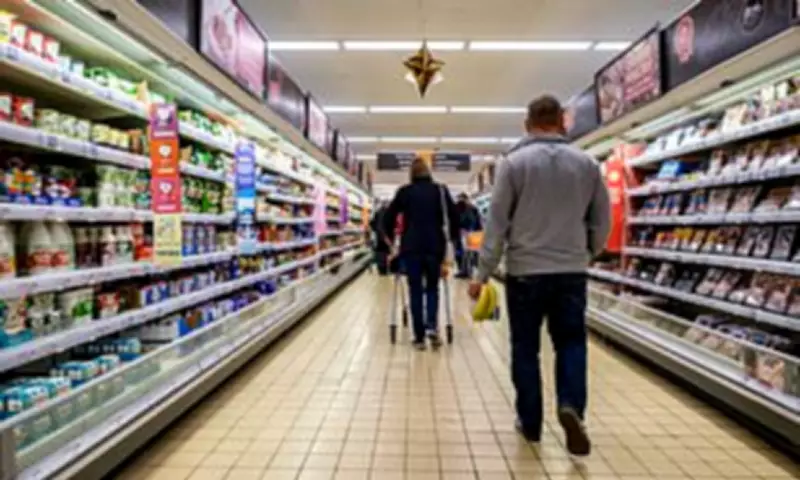
Princes Announces Minimum 5% Price Increase Across All Product Lines
The prominent food manufacturer Princes has confirmed it will implement a minimum five percent price increase across its entire product range. The company, responsible for well-known brands including Napolina and Crisp ‘N’ Dry, attributes this decision to "unprecedented cost pressures" stemming directly from the ongoing conflict in Iran and its severe impact on global supply chains.
Strait of Hormuz Closure Cripples Supply Chains
In a formal letter to customers, reported by trade publication The Grocer, Princes explicitly blamed the Iranian closure of the Strait of Hormuz for the necessary price adjustments. This critical maritime corridor facilitates approximately 20 percent of the world's daily oil and gas shipments. The blockade has caused what the company describes as "severe disruption" to both supply networks and the global energy market, creating inflationary pressures at every stage of production.
The company outlined how these pressures permeate its operations:

- Increased costs for raw material sourcing and manufacturing.
- Significant rises in road haulage and sea freight expenses, with some carriers reinstating fuel surcharges.
- Heightened expenses for packaging and final distribution.
To manage these escalating costs, Princes stated it will deploy additional "pricing mechanisms," marking another financial blow to British consumers already grappling with widespread cost-of-living increases.
Broader Economic Fallout and Consumer Impact
The repercussions of the Middle Eastern conflict extend far beyond a single manufacturer. Global energy prices have surged since the war began, raising fears of a potential worldwide recession. For UK motorists, this has translated to petrol prices exceeding £1.52 per litre and diesel costs soaring above £1.80 per litre.
The food sector is experiencing pronounced inflation. Data from Worldpanel by Numerator reveals that the average price of an Easter egg in UK supermarkets has risen by 9 percent over the past year, now standing at £3.27. While the annual inflation rate for chocolate has slightly decreased to 8 percent from 9.3 percent last month, prices for cocoa-based goods remain substantially elevated.
Government Under Pressure as Economic Warnings Mount
Chancellor Rachel Reeves faces mounting calls to assist consumers, especially as analysis suggests the Treasury could receive an £8 billion windfall from higher VAT on fuel, the levy on North Sea profits, and excess profit taxes on power generators. Despite this, the government has resisted following other nations in reducing fuel duty.
Prime Minister Keir Starmer has convened emergency COBRA meetings to address the crisis, urging energy and shipping firms to collaborate on mitigating the impact. However, Chancellor Reeves has indicated that any targeted support would likely focus on benefits claimants rather than middle-income households and would not be imminent.
Economic forecasts are growing increasingly dire. The Bank of England has warned that the conflict could trigger spiraling inflation and a surge in unemployment, potentially necessitating multiple interest rate hikes. Three quarter-point increases could add approximately £100 per month to repayments on a £250,000 mortgage.
Furthermore, household energy bills are projected to rise by £288 annually starting in July, with Cornwall Insight predicting the Ofgem price cap will reach £1,929 for a typical dual-fuel household.
Expert Warnings Echo 1970s Energy Crisis
International experts are drawing stark comparisons to historical economic shocks. The International Monetary Fund cautioned that the war is "reviving the spectre of the 2021-2022 gas crisis," with the UK and Italy being particularly vulnerable due to their reliance on gas-fired power. Lars Jensen, former director of shipping giant Maersk, warned the current crisis could surpass the severity of the 1970s energy shocks, which precipitated a global recession.

While Downing Street has downplayed the need for immediate drastic measures—such as lowering motorway speed limits or suspending domestic flights—some ministers privately express concern. They advocate for more direct communication with the public regarding the serious economic challenges ahead, balancing preparedness against causing undue alarm.
As the situation evolves, the government maintains it is closely monitoring developments and preparing contingency plans, emphasizing that the UK's energy supplies remain secure for the immediate term.





