

February Inflation Dip Overshadowed by Looming Petrol Price Crisis
Australia's latest inflation data for February, released on Wednesday, revealed a modest decline with annual inflation at 3.7%, down from 3.8% in January, while underlying inflation held steady at 3.3%. However, these figures were quickly rendered obsolete as analysts shifted focus to the impending impact of the Iran conflict on fuel costs.
RBA's Hawkish Stance and Market Reactions
Normally, inflation persisting above 3% might have prompted expectations of a rate rise in May. Yet, the Reserve Bank of Australia's governor had already hinted at a tough stance, stating, "we don't want to have a recession, but if it's hard to get inflation down, then you know we're going to have to deal with that possibility." This set the stage for market volatility.
Before the bombing of Iran, markets anticipated the cash rate rising to 4.1%. Post-bombing, initial fears of global economic slowdown led to a brief lull, but by 17 March, after clear signals from RBA officials, investors priced in at least two rate hikes this year, with a strong chance of the cash rate hitting 4.6% by Christmas. Following the March rate rise, as oil and petrol prices surged, markets fully priced in a potential rise to 4.85% late last week, though this has since moderated slightly. Still, there remains a better-than-even chance of such an increase by year-end.

Petrol Price Spike and Its Broader Impact
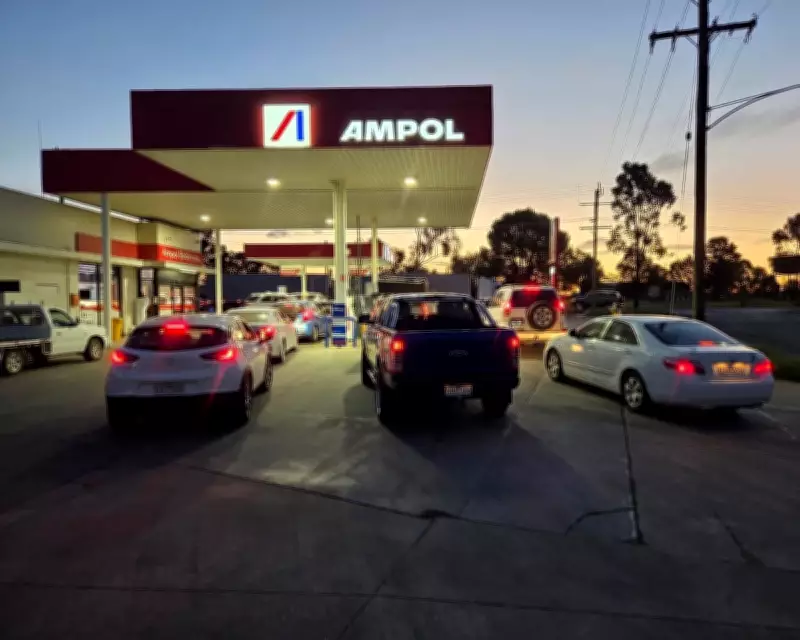
The core of the crisis lies in petrol prices. In February, unleaded petrol in Sydney averaged around 166.0 cents per litre, but by month's end, it had jumped to 189.9 cents. For March so far, the average has soared to 223.7 cents per litre, with a peak of 248.7 cents recorded this week. Nationally, unleaded petrol has risen more than 56 cents a litre—a 29% increase since the bombing began.
This surge is particularly devastating for low-income Australians. The Antipoverty Centre has highlighted that for those on JobSeeker, the cost of fulfilling mutual obligations has skyrocketed beyond their means, prompting calls to suspend such activities. Greens have joined in, writing to Amanda Rishworth to address the issue.
While petrol prices fell 3.4% across Australia in February, a projected 30% or more increase in March will drastically inflate the overall inflation figure. The RBA's Statement on Monetary Policy from 3 February forecast June inflation at 4.2%, declining to 3.6% by year-end. However, current trends suggest June figures will be much higher, with December also at risk, driven not by wage pressures but by supply shocks from Iran.
Debunking Wage-Driven Inflation Myths
The RBA's assertion that wage pressures from a tight labour market are fueling inflation took another hit with recent data. December quarter enterprise bargaining agreements showed average annual wage rises of 3.8%, lower than the 4.0% in September and 4.3% in June. The 3.7% average for private and public-sector employees was the lowest since mid-2023, indicating minimal inflationary pressure from wages.
Recent GDP figures confirm that profit margins, not labour costs, drove the inflation spike in late 2025. While not as severe as the 2022-2023 surge post-Russia's invasion of Ukraine, the current profit-driven inflation poses significant challenges. As the economy braces for March data, the RBA appears poised to blame workers, potentially risking a recession to curb inflation, regardless of its true causes.






