

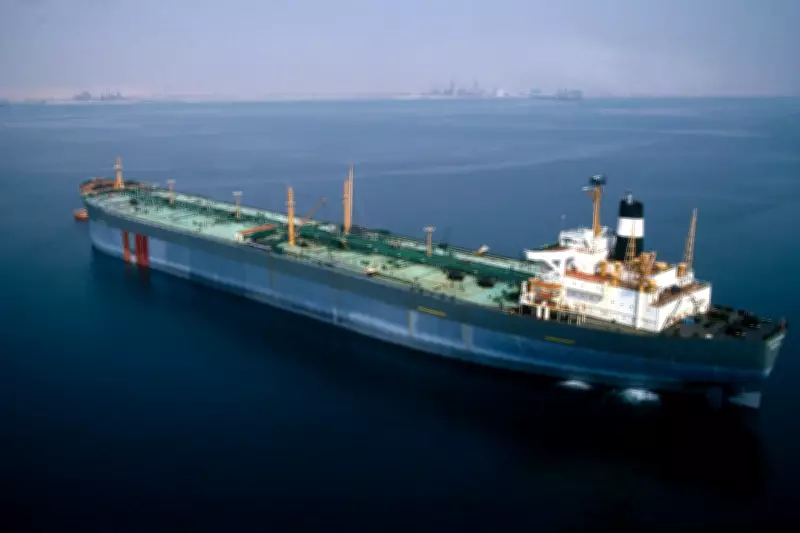
Oil prices have surged sharply, climbing more than 3% to reach 117 US dollars a barrel during Monday morning trading, as hopes for a rapid end to the Iran conflict continue to fade. The war has now entered its fifth week, with no immediate resolution in sight, keeping crude costs at levels not witnessed since 2022.
Market Reactions and Geopolitical Tensions
The spike in Brent crude prices comes amid ongoing military actions by the United States and Israel against Iran, compounded by the entry of Iranian-backed Houthi rebels into the conflict. On Saturday, the Houthis launched their first missile attack, escalating regional instability and threatening critical shipping lanes in the Red Sea.
Matt Britzman, a senior equity analyst at Hargreaves Lansdown, commented on the situation, stating, "Doubts over a quick resolution have intensified after Iran-backed Houthi militants stepped up attacks in the region, and the US moved additional troops closer to the conflict." He added, "With the Houthis endangering Red Sea shipping routes and key energy infrastructure, and rumours that Washington is preparing for ground operations, traders are bracing for heightened supply risks and further price volatility."

Global Energy Crisis Fears
Iran's aggressive tactics, including attacks on energy infrastructure in neighbouring Middle Eastern countries and the blockage of the Strait of Hormuz, have exacerbated supply concerns. The Strait is a vital passageway, handling approximately one-fifth of the world's oil shipments. These actions have not only driven oil prices upward but also sparked fears of a potential global energy crisis.
In response to the economic fallout, Prime Minister Sir Keir Starmer is convening a meeting with leaders from the energy, shipping, and financial services sectors at Downing Street on Monday. The discussions will focus on assessing the potential economic damage and inflation pressures stemming from the conflict. Chancellor Rachel Reeves is also expected to participate in a virtual meeting of G7 finance and energy ministers, along with central bank governors and Energy Secretary Ed Miliband.
Immediate Impacts on Britain
The war's effects are already being felt in Britain, with fuel prices at the pumps rising significantly. Last week, petrol prices exceeded 150p per litre for the first time in nearly two years, directly impacting consumers and adding to inflationary pressures.
Richard Hunter, head of markets at Interactive Investor, noted that assurances from the US regarding a swift end to the war are failing to curb oil price increases. Since the conflict began, crude costs have surged by 58%. He explained, "White House rhetoric is now falling on deaf ears, and only signs of concrete actions are likely to arrest the slide across most asset classes." Hunter warned, "As the war lingers, the cost and time required to reverse the damage will increase, likely meaning that oil prices could remain elevated for an extended period, further intensifying global inflationary pressure."
Meanwhile, London's FTSE 100 Index opened the week on a slightly firmer footing, edging 0.2% higher to 9989.56, up just over 22 points, reflecting cautious optimism amid the broader market uncertainty.






