

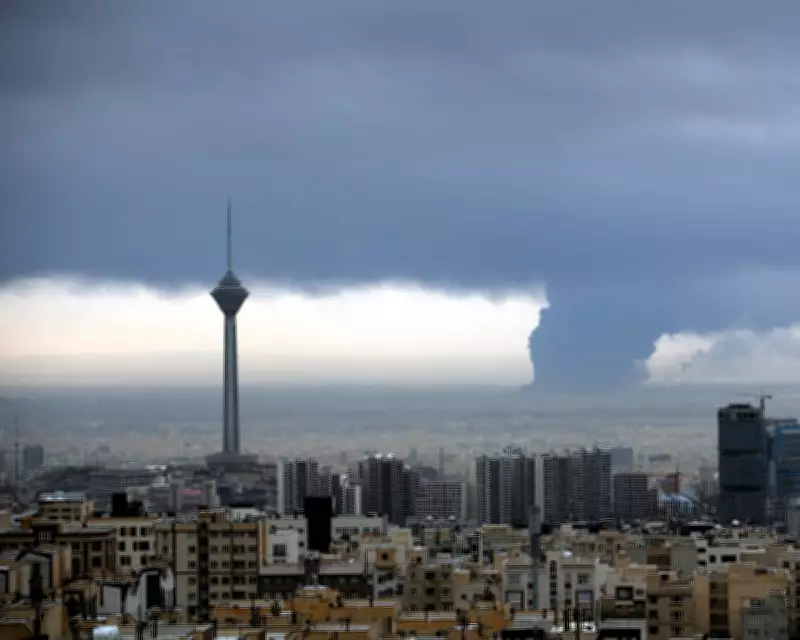
Oil Prices Skyrocket to Four-Year High Following US-Israeli Attacks on Iran
The recent bombing of Iran by the United States and Israel has sent shockwaves through global markets, causing oil prices to spike to their highest level in four years. This dramatic increase is driven by fears of a prolonged conflict in the Middle East, which could disrupt energy supplies and exacerbate inflationary pressures worldwide.
Inflationary Pressures Intensify for Governments
Resurgent inflation, already a concern prior to the Middle East conflict, now risks intensifying further. Elevated oil prices act as a major global inflation trigger, as they drive up costs across goods and services in the economy. This situation is forcing central banks, including those in Australia, to consider interest rate hikes to keep inflation under control.
If interest rates rise as expected, many voters will face increased mortgage payments alongside higher prices for essentials like fuel and food. This creates a significant problem for incumbent governments, such as Australia's Labor administration, which must navigate policy reforms while battling intensifying cost of living pressures.

Political Ramifications and Economic Conundrums
The link between political fortunes and economic conditions is becoming increasingly evident. In Australia, Prime Minister Anthony Albanese's government, which benefited from Donald Trump's re-election in the US, now finds its second term agenda threatened by the economic fallout from the Iran conflict. Labor's upcoming budget, aimed at reducing spending, will face criticism for any costly policies, especially if unemployment levels begin to rise.
These are classic cost of living conundrums with no easy solutions. Incumbent governments often face backlash regardless of their actions, leading voters to turn to more populist politicians for answers. This trend is already visible among dissatisfied electorates, as seen with parties like One Nation in Australia.
Global Context and Market Reactions
The impact of the Iran conflict extends beyond Australia, affecting governments worldwide. In 2024, a "graveyard for incumbents" was observed in countries like the US and UK, where surging inflation and living costs contributed to electoral shifts. However, by 2025, incumbents in nations such as Australia, Norway, and Canada fared better as inflation settled, highlighting the critical role of timing in politics.
Shortly after the oil price surge, Donald Trump attempted to calm markets by describing the war on Iran as a "short-term excursion," raising hopes for a quick normalization of oil supply. While this may ease immediate concerns of an oil crunch, longer-term uncertainties remain, particularly regarding shipping volumes through the Strait of Hormuz. Any added risk or cost for freight in this crucial passage could further fuel global inflation.
Historical Parallels and Future Outlook
The connection between US policies and Australian politics is not new. During the last Australian election, Peter Dutton adopted elements of the Republican blueprint, including attacks on public service numbers and anti-woke rhetoric, which had limited success. Trump's "liberation day" tariffs, announced weeks before the election, inadvertently aided Labor by undermining the Coalition's platform.
While Trump may have helped Albanese in the past, his current Iran excursion poses a significant threat. As governments grapple with these economic challenges, the broader implications for global stability and consumer confidence remain uncertain. With inflation fears dampening sentiment in Australia and beyond, the path forward requires careful navigation of both domestic and international pressures.






