

Oil Price Surge: How Brent Crude Volatility Impacts UK Household Finances
The price of Brent crude oil has experienced dramatic fluctuations this week, briefly surpassing the $100 per barrel mark following fresh attacks on tankers near Iraq. This represents a significant 35 percent increase since the initial Middle Eastern conflict began, creating substantial concerns for UK household finances and broader economic stability.
Understanding the Oil Price Dynamics
Brent crude serves as the global benchmark for oil pricing regardless of origin, though it specifically originates from North Sea fields. Its value fluctuates according to worldwide supply and demand dynamics rather than just regional production levels. After reaching toward $120 earlier in the week, prices settled at approximately $95 on Thursday morning following renewed Middle Eastern tensions.
"This is roughly 3 percent of global oil supply lost in a single event. Shockingly, this is worse than the oil supply situation after Russia attacked Ukraine," noted XTB research director Kathleen Brooks, highlighting the severity of current disruptions.

Immediate Financial Consequences for Consumers
Rising oil costs directly translate to higher energy bills for heating and electricity, but the impact extends far beyond household utilities. Increased fuel expenses affect manufacturing processes, transportation networks, food production costs, and virtually every sector of the economy. The longer oil prices remain elevated, the more difficult it becomes for businesses to absorb these spikes without passing costs to consumers.
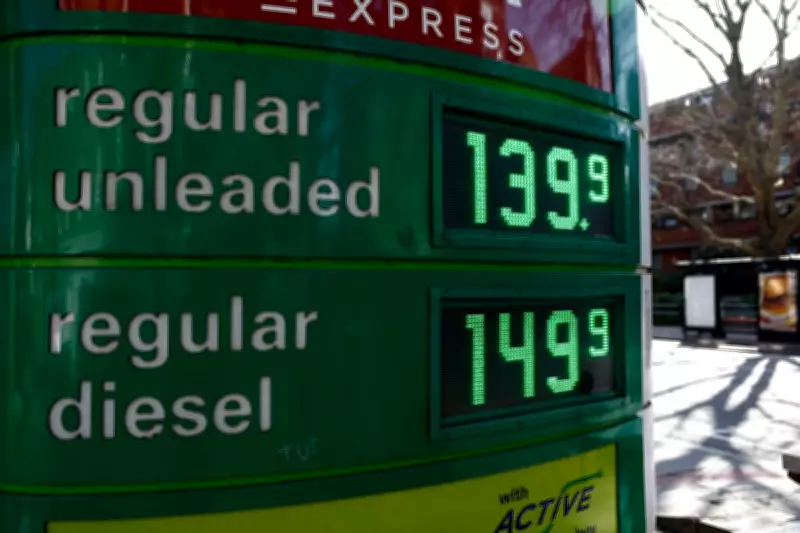
UK petrol prices have already increased between 4p and 8p per litre, reaching their highest levels in nearly twenty months. Meanwhile, heating oil costs have doubled in some regions, creating immediate financial pressure on households as winter approaches.
Broader Economic Implications
The inflationary pressure from sustained high oil prices threatens to derail the UK's progress toward the Bank of England's 2 percent inflation target. As Barclays analysts emphasized, "persistence, not the peak" matters most when evaluating oil price impacts on economic stability.
Should inflation begin accelerating again, the Bank of England may respond by raising interest rates to cool economic activity. However, this approach presents complications given current UK economic weakness and rising unemployment rates, which higher borrowing costs could exacerbate further.
Mortgage and Savings Market Reactions
Anticipation of potential interest rate increases has already influenced mortgage markets, with several major lenders including NatWest, TSB, HSBC, Nationwide, Santander, the Co-operative Bank, and Skipton Building Society raising rates on new fixed-term mortgage products over the past week.
Conversely, savers may benefit from improved interest rates on savings accounts, ISAs, and fixed-term bonds as financial institutions adjust their offerings in response to changing economic conditions.
Investment and Pension Considerations
Stock markets have exhibited significant volatility in response to Middle Eastern developments, with the FTSE 100 experiencing a 5 percent decline last week before partial recovery. Similar patterns have emerged across European indices including France's CAC 40, Germany's DAX, and Spain's Ibex 35.
For pension holders and ISA investors, financial advisors recommend avoiding panic-driven decisions during market downturns. Unless approaching retirement age, temporary market declines typically represent normal investment cycle fluctuations rather than permanent losses.
Geopolitical Factors and Future Outlook
US Energy Secretary Chris Wright suggested the current crisis might resolve within "weeks not months," but cautioned that prolonged disruption could lead to sustained higher prices even after conflicts ease. The situation remains fluid with attacks spreading beyond initial conflict zones, threatening previously operational ports and shipping routes.
Iran's oil production has plummeted to just one-quarter of pre-conflict levels, creating significant global supply constraints that will require time to normalize even after geopolitical tensions subside.






