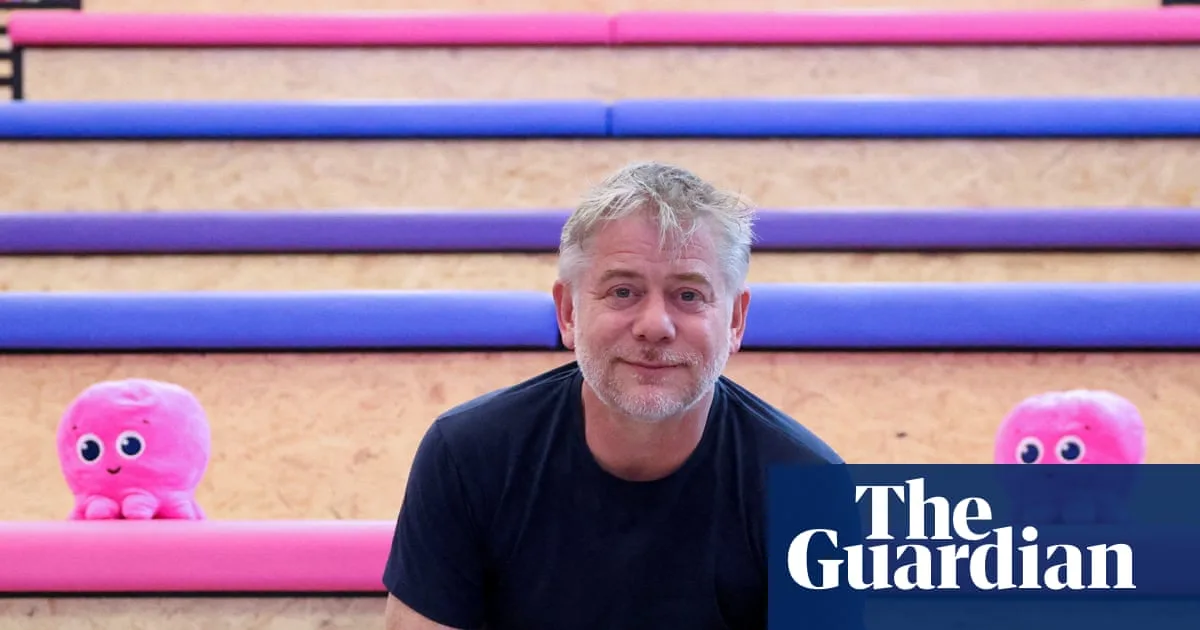
The chief executive of Octopus Energy, Greg Jackson, has suggested that some households would accept occasional electricity blackouts in exchange for significantly lower energy bills. Speaking at an industry conference, Jackson argued against costly investments in the UK's power grid that are adding to household bills.
Jackson said that many households in Spain, where Octopus Energy has a growing business, would accept 'the odd blackout' in return for electricity costs that are 25% lower. He noted that people would be 'far less bothered' about a blackout now than in the past because they could continue watching things on their laptops during a power outage, and home batteries are now cheap enough to provide backup.
The comments came on the anniversary of the Iberian blackout, which left tens of millions without power and claimed at least six lives, including two people who died due to inability to run breathing equipment. Jackson stressed he was not advocating for blackouts but highlighted the trade-off between reliability and cost.
A spokesperson for Octopus Energy said countries like Spain that have embraced cheap renewables and flexibility are seeing lower energy prices, while the UK risks hardwiring in high costs with tens of billions of grid spending. The cost of grid upgrades has climbed from about £254 a year under the price cap in summer 2021 to £457 under the current cap.
Meanwhile, gas and electricity bills are expected to rise to an average of almost £2,000 a year from July, with households struggling to pay off record high debts totalling more than £4.5bn. The National Energy System Operator's chief executive, Fintan Slye, said significant investments in the power grid are still needed to enable electricity transmission.