

NYC's Socialist Mayor Faces Wealthy Backlash and Support Over Tax Hike Plan
New York City's newly elected socialist mayor, Zohran Mamdani, has ignited a fierce debate in the Big Apple with his ambitious proposal to increase taxes on the city's wealthiest residents and corporations. The plan targets individuals earning over $1 million annually and corporations with profits exceeding $5 million, aiming to fund social programs like universal childcare, free city-wide bus services, and substantial housing investments.
Wealthy Residents Divided Over Tax Proposal
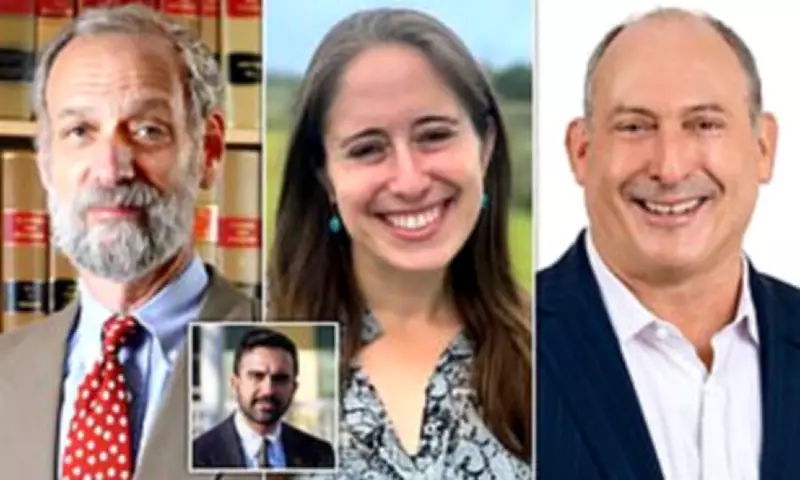
While many affluent New Yorkers who did not support Mamdani in the election have expressed dismay and even threatened to relocate, a notable group of wealthy residents is actively championing the tax hike. Among them are Craig Kaplan, Marissa Hersh, and Marc Baum, all members of the organization Patriotic Millionaires, which advocates for higher taxes on the rich to benefit the working class.
Craig Kaplan, a Manhattan-based lawyer, has leveraged his political connections to lobby Governor Kathy Hochul, who has publicly opposed such tax increases. Kaplan argues that the city desperately needs the programs Mamdani proposes, stating, 'There is such a need in our city for the kind of programs that Mamdani is talking about.' He dismisses concerns that a $20,000 tax increase would drive wealthy individuals away, adding, 'It would mean absolutely nothing for me.'

Support from Affluent Advocates
Marissa Hersh, a philanthropic advisor from Queens, supports the mayor's plan despite not being directly affected by the $1 million threshold. She emphasizes her willingness to 'bear the burden' of higher taxes to improve public amenities like parks and libraries, noting, 'We can afford to pay higher taxes, and I’d be happy to be the one to bear the burden, which really isn’t a burden.' Hersh also backs Mamdani's initiative to establish city-owned grocery stores focused on affordability rather than profit.
Marc Baum, another Manhattan lawyer, leads a frugal lifestyle and believes the tax hike would not impact him significantly. He drives an old car and owns modest properties, stating, 'Would I give less to charity? I don't think so.' The Patriotic Millionaires group includes other high-profile members like Abigail Disney and Morris Pearl, further amplifying the call for tax reforms.
Opposition and Economic Concerns
Despite this support, opposition remains strong among some wealthy New Yorkers. Billionaire businessman John Catsimatidis, CEO of Gristedes and D'Agostino Supermarkets, warns that the tax plan could harm the city's economy, joking that New York politicians are 'the best real estate brokers in Florida.' He predicts a potential exodus of residents, though he personally would not be financially strained.
Andrew Tobias, another member of Patriotic Millionaires, suggests that the mayor should acknowledge wealthy contributors, quipping, 'You made $38 million this year — what a wonderful problem to have. On top of that, you get a fruit basket from the mayor.' However, he acknowledges that those barely exceeding the $1 million threshold might struggle, especially with expenses like private school tuition and second homes.
Unlikely Mass Exodus of Millionaires
Contrary to fears of a wealthy flight, a Cornell University report indicates that millionaires have low migration rates, and New York City remains a hub for the affluent. The city is home to nearly 400,000 millionaires, according to Henley & Partners, and the last significant departure occurred during the COVID-19 pandemic in 2020 and 2021. This data suggests that while some may relocate, a mass exodus is improbable.
The debate over Mayor Mamdani's tax plan highlights deep divisions within New York's wealthy community, with some viewing it as a necessary step toward social equity and others as an economic misstep. As discussions continue, the outcome will shape the city's fiscal and social landscape for years to come.






