Public transport fares frozen for a year
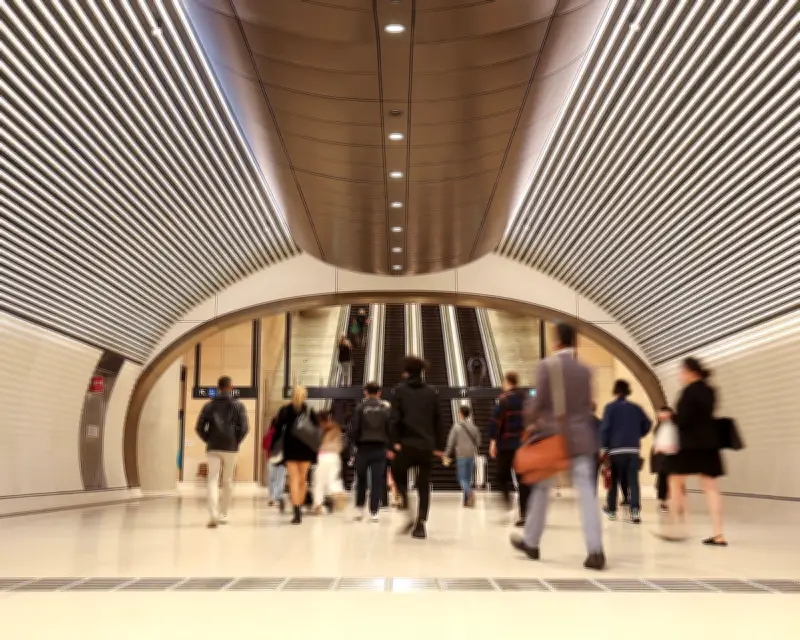
The NSW government has frozen public transport fares for one year, saving approximately 400,000 daily users an average of $100 each. The freeze forgoes an estimated $43.3 million in revenue. This measure is part of a broader cost-of-living relief package that includes a $100 discount on private vehicle registration for 4.4 million motorists, cutting toll administration fees and reducing the weekly toll cap from $60 to $50.
Coal miners benefit from higher prices
Thermal coal prices have risen more than 20% since the Middle East conflict began, boosting revenues for NSW's 35 coal mines. The state expects an extra $84 million in royalties from recent months and $186 million over the coming financial year.
Essential workers get pay rises and more staff
The budget highlights significant growth in essential worker numbers and wages. NSW now has 70,895 nurses (up 6,556 since 2023), 6,310 paramedics (up 986), and 86,512 teachers (up 2,263). The government is investing $10.3 billion to add 9,000 health workers and provide a 16% pay rise over three years for nurses and midwives. Teacher vacancies have dropped 71% from 3,311 in late 2022 to about 960.
Gambling operators continue to receive tax breaks
Big poker machine operators benefit from lower tax rates on club gaming machines compared to pubs, saving clubs $1.16 billion in 2026-27. Half of these breaks go to the top 6% of clubs. ClubGRANTS rebates will rise to $84 million. Gambling tax revenue is expected to grow from $3.8 billion in 2025-26 to $4.7 billion in 2029-30.
Housing market struggles
The budget offers little to boost housing supply. Home completions are running well below the national target of 1.2 million homes by 2029, with NSW building just 258,000 per year on average. The slowdown in home sales will cost the government $8.4 billion in lost revenue over four years. Stamp duty exemptions are projected to fall 10%, indicating a drop in first home buyer activity.
State debt to exceed $200 billion
Gross debt is forecast to reach $200 billion in 2027-28, higher than previously expected. Debt is growing faster than the state's economic output, peaking at 20.7% of gross state product in 2027-28 and remaining at 20.5% by 2029-30, when total debt will be $219 billion. This could threaten NSW's credit rating and increase interest costs.
NDIS participants face cuts
The federal government plans to remove 241,000 participants from the NDIS. NSW has allocated $631.9 million over five years for the Thriving Kids program to support children with autism under nine, but says it cannot take on additional responsibility.
Gun owners face tighter controls
NSW is continuing with a gun buyback and investing $42.8 million over 10 years to tighten background checks and enforce firearms laws, license restrictions, and storage requirements.
Shark management and pest control funded
The budget includes $16.3 million for regional pest control, targeting feral pigs, and expands the shark management program with smart drumlines, beach netting, surveillance drones, and listening stations after recent shark attacks.
Fatberg problem remains
Sydney Water is investing $3 billion over 10 years to improve the Malabar sewage treatment plant, but the government has not allocated additional funds to speed up the removal of a fatberg that caused beach closures.