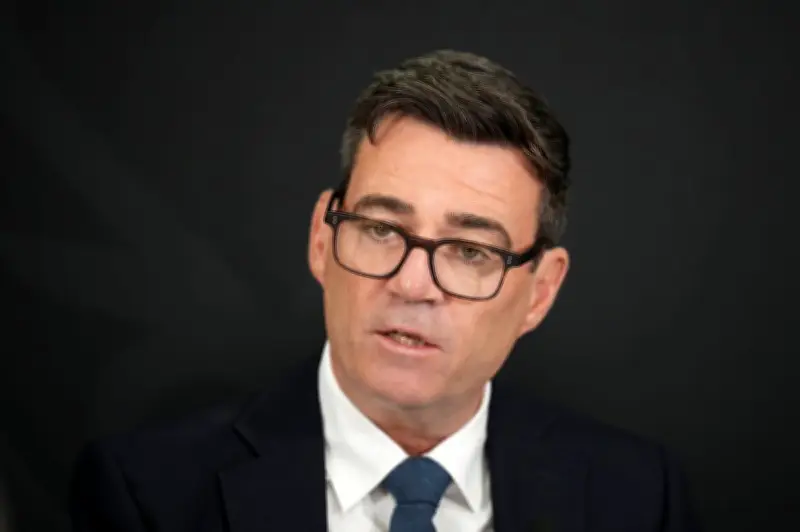
The National Institute of Economic and Social Research (Niesr) has cautioned Prime Minister Andy Burnham that there is no room for additional government borrowing to finance new cost-of-living and defence pledges. The think tank urged either tax increases or reductions in public expenditure to cover the commitments.
Inflation Forecast Revised Upward
Niesr now expects Consumer Prices Index inflation to peak at 3.8% in February 2027 and take until early 2029 to return to the 2% target, later than its previous forecast of 2028. The Bank of England is projected to keep interest rates at 3.75% through this year and next.
Cost-of-Living Measures Under Scrutiny
Burnham entered Downing Street last week pledging to lead a “cost-of-living Government.” Since then, he and Chancellor John Healey have announced support packages including a VAT cut on electricity from October and a £2 bus fare cap throughout 2027. Stephen Millard, Niesr’s deputy director for macroeconomics, said he did not believe cost-of-living support was the “answer,” stating it is the “Bank of England’s job to hit the inflation target.”
“There’s clearly no scope for increasing borrowing, so it is about choices,” Millard added. “I’m yet to be convinced that how these things will be funded has been fully thought through, but there is going to be a budget in October. Our advice would very much be to fund these through higher taxes – which could involve tax reform rather than higher marginal rates – or cuts in spending elsewhere.”
Defence Spending Commitment
Burnham has reiterated the government’s pledge to spend 3.5% of GDP on defence by 2035, working with Healey to ensure the plan is “fully funded” ahead of the autumn budget.
Potential Funding Sources Suggested
Millard suggested several areas for raising funds: “People have talked a lot about the welfare bill – that is an obvious place to look. The triple lock on pensions, that is very, very expensive, and will get more expensive as we age.” He also pointed to reforming council tax towards a land value tax system or scrapping some VAT exemptions. “Once you’ve done all of that, then I’m afraid I would break the manifesto promise and would be looking at the income tax rate,” the economist said. Labour’s manifesto pledged not to increase taxes for working people, a promise Burnham has said he will keep.
Economic Outlook
Niesr forecasts UK economic growth of 1.1% this year, up from a spring projection of 0.9% due to stronger recent data. However, the think tank estimates that the UK economy has lost approximately £15 billion in GDP as a result of the Middle East energy shock.