

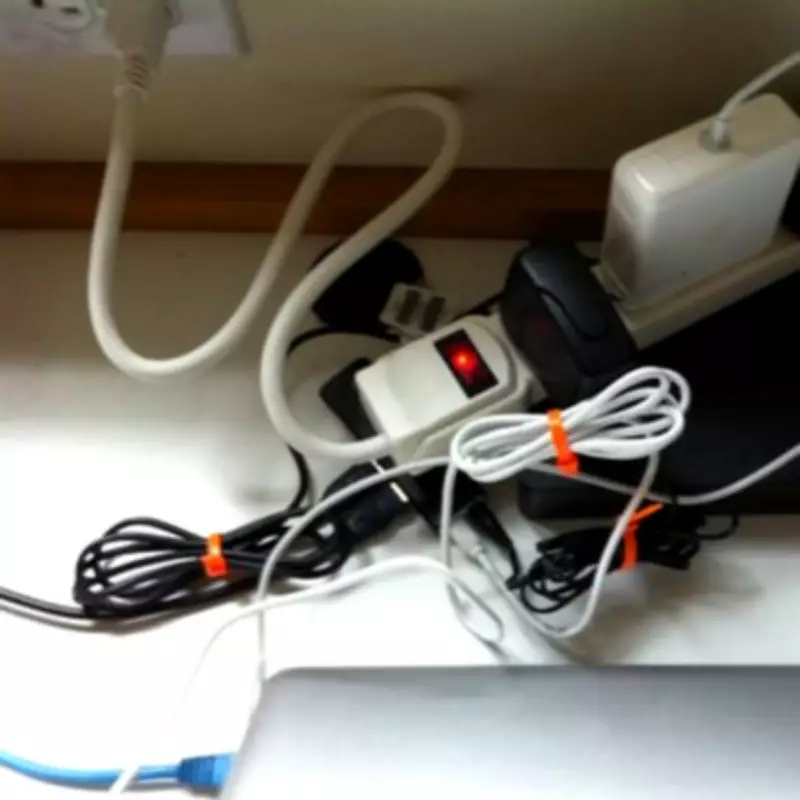
Using an extension lead can be a convenient way to power multiple household appliances, but safety experts caution that certain devices should never be connected to one. Nearly every home in Britain likely has at least one extension cord trailing through the kitchen or living room. When wall sockets are limited, these cords seem like a practical solution, yet they can introduce serious hazards.
The Fire Risk of Overloaded Extension Leads
Many household appliances draw too much power for an extension lead to handle safely. According to Hereford and Worcester Fire and Rescue Service, around 7,000 house fires occur annually in the UK due to faulty electrics, appliances, wiring, and overloaded sockets. High-wattage devices are particularly problematic.
Three Appliances to Avoid Plugging Into Extension Leads
Kettles consume approximately 3,000 watts, electric heaters can equal or exceed that figure, and toasters demand between 800 and 1,500 watts. When multiple high-wattage devices operate through a single extension lead simultaneously, the combined demand can quickly surpass the lead's safe capacity.

Oliver Nichols from The LED Specialists explained: "Extension leads have a maximum load rating, and high-draw appliances like kettles, toasters, and electric heaters are among the worst things you can plug into them. People often don't realise how much current these devices pull, and when you combine more than one on a single lead, you're creating a real fire risk."
Quality Concerns With Extension Leads
Beyond the wattage hazard, the quality of extension leads themselves is a concern. UK standard leads must carry safety markings and built-in fuses, but many cheap cables sold online fall short of these standards. Nichols warned: "If your extension lead doesn't carry the appropriate safety markings, there's no guarantee it will cut out before overheating. That's when you move from an inconvenience to a genuine fire hazard."
Safer Alternatives
If you rely heavily on extension leads throughout your home, the safest long-term solution is to have additional sockets installed by a qualified electrician. In the meantime, ensure all high-wattage appliances are plugged directly into wall sockets to minimise fire risk.






