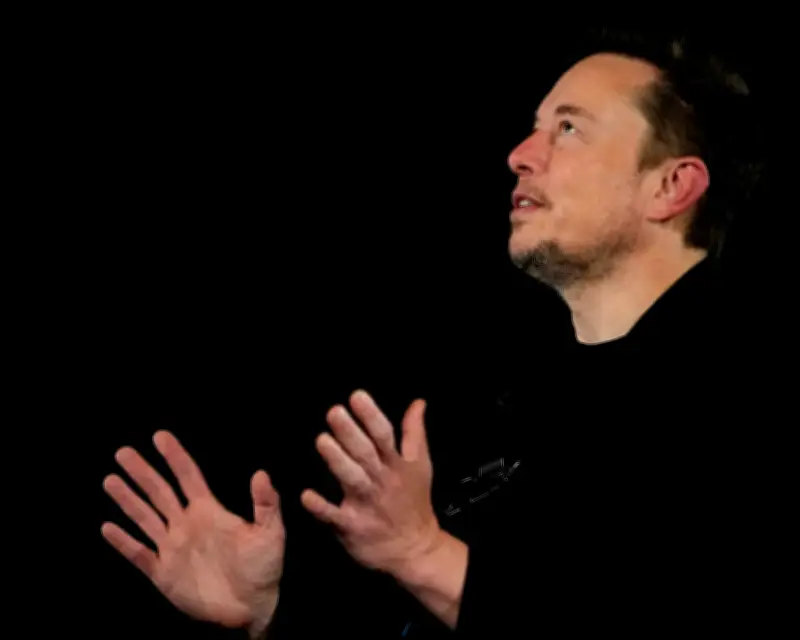
Elon Musk's staggering rise in wealth, now on the cusp of becoming the world's first trillionaire, has ignited a fierce debate about the growing power of oligarchs in modern society. Critics argue that such extreme concentration of wealth poses a direct threat to democratic institutions, as billionaires increasingly leverage their fortunes to shape politics, media, and public opinion.
The Rise of the Trillionaire Class
The concept of a trillionaire was once unthinkable, but Musk's net worth, driven largely by Tesla and SpaceX valuations, has made it a looming reality. His wealth now exceeds the GDP of many nations, giving him unprecedented influence. This phenomenon is not isolated; other tech moguls like Jeff Bezos and Mark Zuckerberg also command vast resources, but Musk's outspoken and often controversial persona amplifies concerns.
Oligarchic Influence on Democracy
Oligarchy, defined as rule by a few wealthy individuals, is not new, but the scale of modern wealth concentration is. Musk's ability to sway stock markets, influence policy debates, and even shape public discourse through platforms like X (formerly Twitter) raises alarms. His recent political endorsements and donations have drawn scrutiny, with critics warning that such power undermines the principle of one person, one vote.

Political scientists point to a growing disconnect between the wealthy elite and ordinary citizens. As Musk and others accumulate more wealth, they gain disproportionate access to lawmakers and regulators, potentially skewing policies in their favor. This erosion of democratic checks and balances could lead to a system where the rich write the rules.
Economic and Social Ramifications
The economic implications are equally troubling. Extreme wealth concentration exacerbates inequality, as the gap between the ultra-rich and the rest widens. Musk's fortune, largely tied to stock holdings, highlights how financial markets can create vast wealth without corresponding contributions to societal well-being. Meanwhile, many workers struggle with stagnant wages and rising costs of living.
Socially, the rise of a trillionaire class fosters a culture of conspicuous consumption and reinforces the notion that success is measured solely by wealth. This can undermine social cohesion and fuel resentment. Musk's lavish lifestyle and grandiose projects, from colonizing Mars to building underground tunnels, often seem disconnected from pressing earthly problems like poverty and climate change.
Regulatory Responses and Public Backlash
In response, some policymakers are calling for a wealth tax or stricter antitrust enforcement to curb the power of billionaires. However, such measures face fierce opposition from those who argue they stifle innovation and economic growth. The debate is polarized, with Musk himself dismissing critics as envious or misguided.
Public opinion is shifting, however. Polls show growing support for taxing extreme wealth, and movements like Occupy Wall Street have resurfaced in new forms. The idea of a trillionaire is becoming a symbol of systemic inequality, galvanizing activists and lawmakers alike.
As Musk edges closer to trillionaire status, the world watches with a mix of awe and apprehension. Whether his wealth will be used for philanthropic ends or to consolidate power remains to be seen. But the broader question looms: can democracy survive in an age of trillionaires?