

Economists are raising alarms that a prolonged military confrontation between the United States, Israel, and Iran could reignite inflationary pressures across Britain and globally. The Office for Budget Responsibility (OBR), the government's independent economic watchdog, has issued a stark warning that this Middle East crisis might push UK inflation back up to 3% by the end of 2026, a significant deviation from earlier forecasts.
Energy Price Shock Fuels Inflation Concerns
David Miles, a senior official at the OBR, highlighted to the Commons Treasury committee that the conflict has triggered an energy price shock, which could result in inflation ending the year close to 3%. This marks a percentage point increase from pre-war expectations and exceeds the UK's official 2% inflation target. Miles emphasized that if current energy prices persist, the nation would face a material and significant rise in inflation, leading to a noticeable and unwelcome surge in living costs for British households.
Market Volatility and Economic Fallout
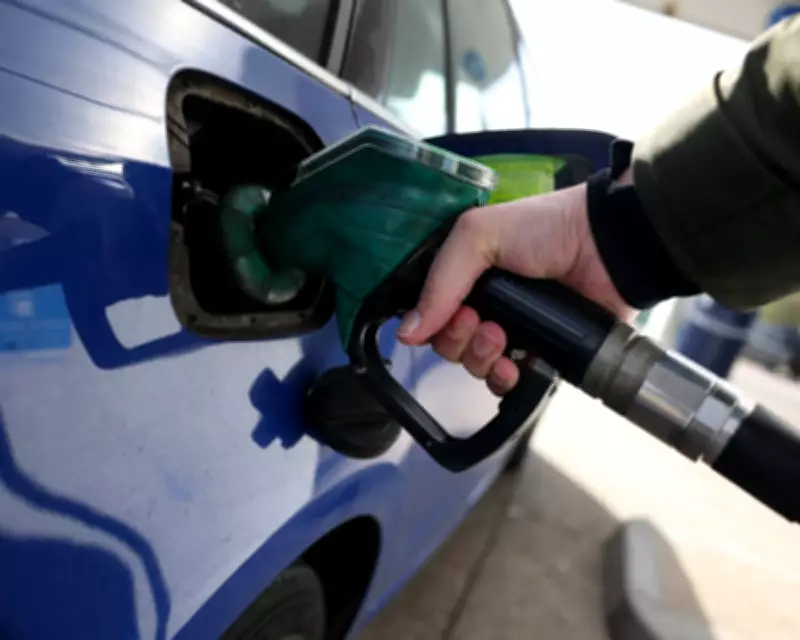
Oil prices have experienced notable volatility, with Brent crude trading at $89 per barrel on Tuesday afternoon, after briefly surpassing $100 over the weekend. Despite a recent dip, prices remain substantially higher than levels observed before the US and Israel initiated bombing campaigns in Iran nearly two weeks ago. Concurrently, gas prices have soared by more than 50%, exacerbating the economic strain.

Miles cautioned that the situation remains fluid, stating, "If there is no change in the picture on the prices from now on, forward, we estimate something like 1% higher consumer prices by the end of the year. That's orders of magnitude as of right now. I'd have given you a different answer probably yesterday morning, and by the end of this week, it could look different again. It's not clear which way we go from here."
Political and Economic Responses
Chancellor Rachel Reeves has previously warned Britain to brace for rising inflationary pressures as the repercussions of the Middle East conflict begin to affect domestic energy prices. Labour has prioritized cost-of-living measures this year, including initiatives to reduce energy bills. However, economists argue that the likelihood of a drawn-out war could drive energy prices even higher, stoking inflationary pressures not only in the UK but worldwide.
Currently, headline inflation in the UK stands at 3%, down from a peak of 3.8% last year. It had been anticipated to drop near 2% this year, aided by the chancellor's energy interventions. The prospect of elevated inflation has led financial markets to adjust expectations, with the City no longer anticipating an interest rate cut by the Bank of England at its upcoming policy meeting.
Broader Implications for Households and Policy
The potential for sustained high inflation poses significant challenges for British consumers, potentially eroding purchasing power and increasing financial stress. Policymakers are now grappling with balancing economic stability against geopolitical uncertainties, as the conflict's duration and intensity remain unpredictable.
This development underscores the interconnectedness of global events and domestic economies, highlighting how regional conflicts can swiftly translate into tangible economic impacts far beyond their origins.






