The Food and Drink Federation (FDF) has warned that food inflation in the UK could reach at least 9% by the end of 2026, nearly tripling its previous forecast of 3.2% made before the Middle East conflict. The body, which represents 12,000 manufacturers, said the rise would occur even if the Strait of Hormuz reopens to cargo traffic within the next two to three weeks, as energy prices continue to climb.
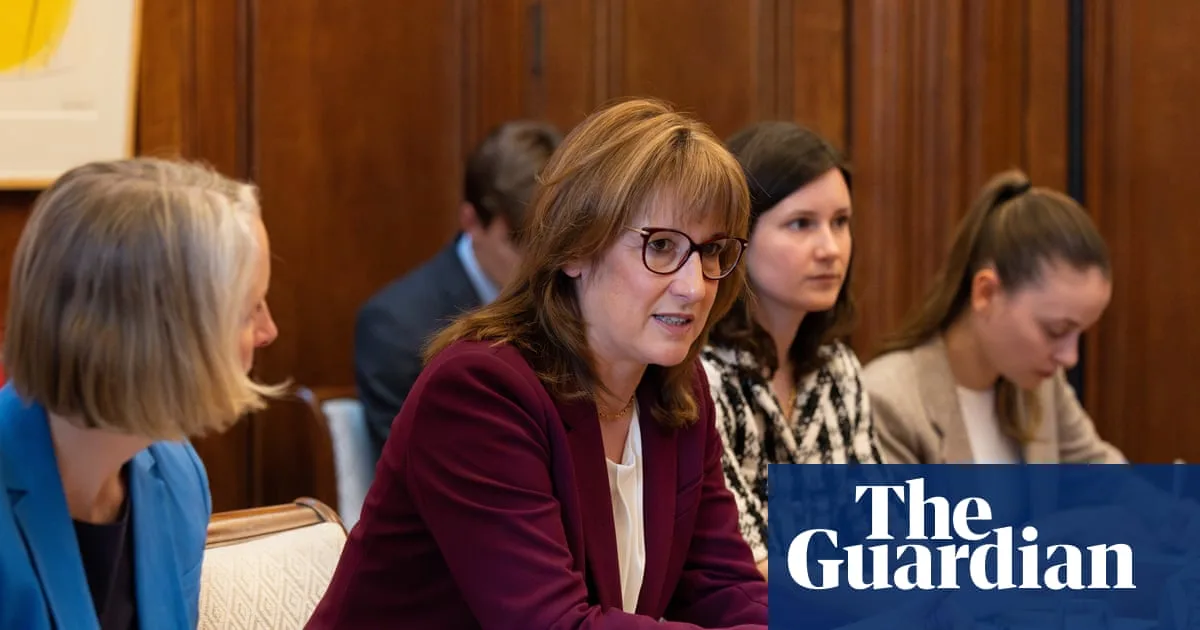
Chancellor Rachel Reeves met supermarket bosses from Tesco, Sainsbury’s, Morrisons, Marks & Spencer, Aldi and Lidl on Wednesday to discuss ways to mitigate the impact on consumer prices. Retail leaders reportedly asked for help with energy bills and a delay in new regulatory fees covering packaging, unhealthy food and employment rights. A government spokesperson described the meeting as “positive”, with both sides agreeing to work together to ease the cost of living and strengthen supply chains.
Dr Liliana Danila, chief economist at the FDF, said the industry was already facing substantial increases in energy, transport and packaging costs, alongside supply chain disruption. “Given the scale and speed of these cost increases, and despite companies’ best efforts not to pass price increases on, it’s clear that food inflation is going to rise in the months ahead,” she said. The 9% forecast assumes that the majority of large energy facilities, such as oil, gas and fertiliser sites, return to normal within a year.
UK farmers have warned of potential shortages of domestic tomatoes, cucumbers, peppers and aubergines without government help. Simon Conway, chair of the British Tomato Growers’ Association, said: “Growers historically only make money in the last few weeks of the season, as margins are so tiny in this sector. No one can absorb these kind of cost shocks, they have to be worked through with retailers.” He added that the full effect of cost increases “hasn’t hit yet but is coming towards the end of the summer”.
Many food producers, who typically fix energy contracts from April, will be hit by sharp rises in standing charges from Wednesday. The British Tomato Growers’ Association and other groups are campaigning to be classified as “energy intensive users” to reduce their bills. Conway warned that without support, “businesses will fail”. Meanwhile, household energy bills are expected to fall until July but then jump, increasing pressure on the government to provide targeted support. Reeves told the BBC she was examining ways to assist people based on household income, but stopped short of committing to specific measures.