

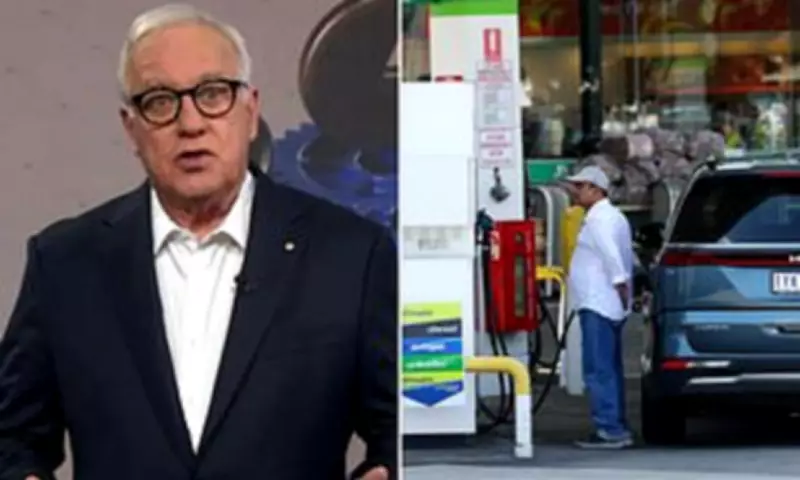
Prominent financial analyst Alan Kohler has issued a stark warning that the protracted conflict in the Middle East is developing into one of the most severe economic catastrophes of the modern era. Speaking on the ABC News Daily podcast, Kohler detailed how the current oil supply disruption, precipitated by Iran's closure of the Strait of Hormuz, presents a graver threat than the historic oil panics of 1973 and 1979.
Unprecedented Oil Shock
The closure of the critical shipping passage followed military strikes by the United States and Israel on February 28, which resulted in the death of Iran's Supreme Leader. This action has triggered an energy crisis of monumental proportions. Kohler emphasised that the current situation has already removed 11 million barrels per day from global markets, exceeding the combined impact of the two major 1970s oil shocks, which each saw losses of approximately 5 million barrels daily.
The head of the International Energy Agency recently confirmed during a visit to Australia that the present crisis is indeed more severe than those historic episodes, underscoring the exceptional nature of the current market turmoil.

Cascading Global Consequences
Beyond the immediate energy crunch, the conflict has severely disrupted fertiliser supplies from the Persian Gulf, a global hub for agricultural nutrients. This has caused fertiliser prices to skyrocket, leading to reduced planting by Australian wheat farmers and anticipated significant harvest shortfalls later this year. Kohler cautioned that this fertiliser shortage and associated price increases are likely to precipitate food shortages worldwide, compounding the economic distress.
Regarding Australia's economic outlook, Kohler offered a grim assessment. "The trouble is that inflation's bad but having no energy is crippling. It basically means that you can't operate an economy," he stated. He referenced another investment strategist's prediction that a continuation of the crisis for just another ten days could force a global economic shutdown reminiscent of the pandemic lockdowns.
Inevitable Recession Indicators
Kohler asserted that despite relatively mild reactions in share markets, with declines of around seven percent in Australia and eight to nine percent internationally, the underlying economic indicators are alarming. Many economists believe financial markets are underestimating the severity of the situation. Before a full-blown recession manifests, Australians are likely to witness several critical milestones, including fuel prices soaring to $3.50 or even $4 per litre, further interest rate hikes, and a noticeable rise in unemployment.
When questioned about the necessary timeline for conflict resolution to avert these outcomes, Kohler responded bluntly, "Tonight would be good. It's obviously already gone on too long." He stressed that even an immediate cessation of hostilities would not facilitate a quick recovery, as the IEA chief has indicated the damage is already profound and lasting.
A Looming Economic Disaster
In his concluding remarks, Kohler reiterated his grave concern, describing the war as "shaping up as one of the great disasters of our lifetime." He warned that a prolonged conflict with Iran threatens to sustain high fuel prices, which could directly trigger a global recession. The interconnected crises in energy and agriculture, stemming from the regional instability, create a perfect storm for worldwide economic hardship, with the potential to eclipse the financial turmoil of previous decades.






