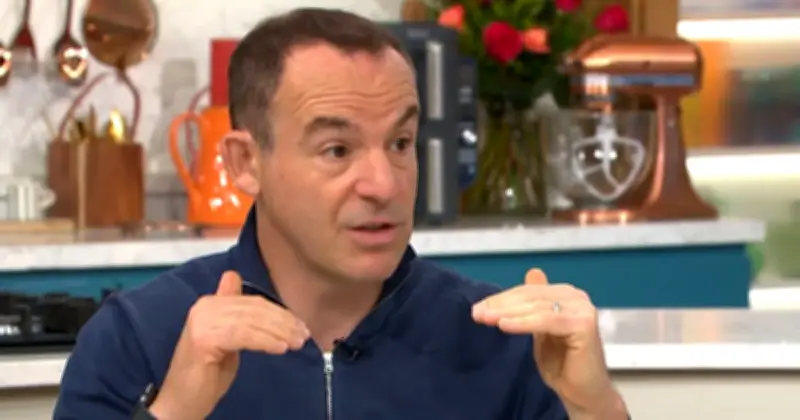
Martin Lewis has shared important advice on how pension contributions could affect your tax allowances, warning of a tax 'cliff edge' that could cost you £200. The guidance came after a listener on his BBC podcast asked about managing extra income that might push them into the higher income tax bracket.
Understanding the tax thresholds
In England, Wales and Northern Ireland, income tax is paid at 20 per cent on earnings between £12,570 and £50,270 per year. Once income exceeds £50,270, the higher rate of 40 per cent applies. For those crossing this threshold, Mr Lewis highlighted practical steps that could be 'advantageous'.
Pension contributions and tax relief
One key move is to increase pension contributions. Mr Lewis explained: 'You could increase your pension by that amount, because you get that 40 per cent tax relief. As you're paying higher tax, because pension contributions come from pre-tax income, you get 40 per cent tax relief on it. Instead of it costing you 80p per £1 you get in your pension, it costs you 60p per £1.'
The cliff edge tax rule
Mr Lewis pointed to a critical change when moving into the higher rate: the personal savings allowance drops from £1,000 to £500. This means the amount of tax-free interest you can earn each year outside ISAs halves. Higher rate taxpayers pay 40 per cent on interest earnings, so losing £500 of the allowance could result in an extra £200 tax bill.
'You actually lose quite a nice chunk of your ability to earn interest tax-free,' Mr Lewis warned. 'If you are not earning taxable interest on savings, it doesn't really make much difference to you at the moment anyway, but it might do in future. But certainly if you're only dripping a tiny bit into the higher rate tax threshold, then you could utilise increasing your pension contributions to reduce your salary, so that you are no longer a higher rate taxpayer. That would mean you would keep the £1,000 a year of interest that you can get tax-free from savings.'
Upcoming tax changes
From April 2027, the ISA allowance will be cut from £20,000 to £12,000 for flexible use, with the remaining £8,000 restricted to investment-based accounts. Additionally, tax rates on interest earnings will rise by two percentage points for each bracket: basic rate from 20% to 22%, higher rate from 40% to 42%, and additional rate from 45% to 47%.