
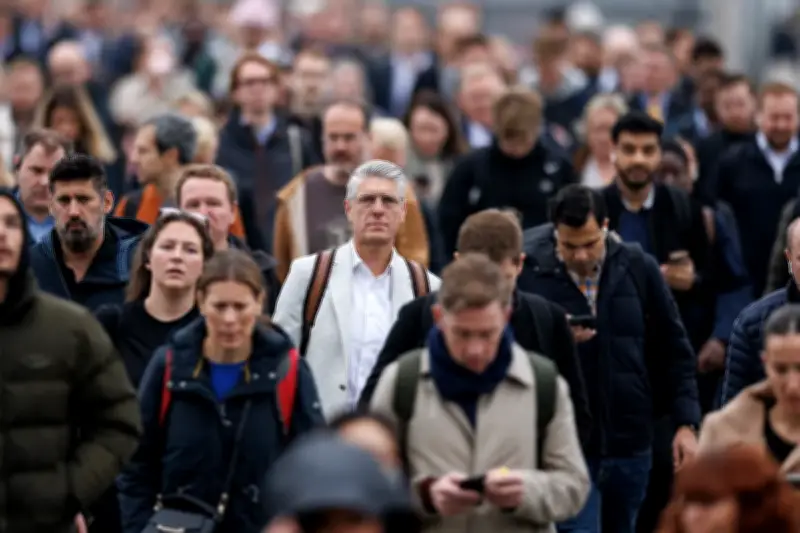
Londoners are facing a series of significant bill increases as the new year approaches, adding pressure on household finances across the capital. A range of cost-of-living hikes coming into effect will add thousands of pounds to the annual outgoings of many residents.
Ofgem announced on Wednesday that the energy price cap will rise by 26% from January 1 for a typical household. This comes as council tax bills, water bills, and transport fares are also set to increase sharply.
Council Tax Increases
Millions of Londoners will see large increases to their council tax bills next year as town halls struggle with rising costs. Payments for almost every benchmark Band D household in the capital are expected to exceed £2,000 for the first time from April 2027. Average homes in just one borough, Tower Hamlets, will remain slightly below the threshold.
London households saw an average £87 increase in their bill in 2026, but that rise is expected to be significantly larger in 2027. In some cases, payments could rise by well over £1,000, with increases ranging from 5% to a staggering 150%. Hammersmith and Fulham, Wandsworth, Westminster, and Kensington and Chelsea have all been given permission to increase bills beyond the usual 5% cap after their Government funding was slashed. Wandsworth has already admitted it will likely enforce a 94% rise, while Labour-run Hammersmith and Fulham has said bills would need to rise by 150% to make up shortfalls. London's councils are expected to confirm the exact increases by the end of the year.
Energy Bills Surge
Energy bills for households across the UK will surge by more than a quarter from the start of next year, Ofgem has revealed. The price cap will rise by £443 per year, or £36.91 per month, to £2,166 for the average household using both electricity and gas if this level was sustained for a year. The quarterly cap, which is in line with predictions from industry analysts, is the highest since the second quarter of 2023.
The rise follows the escalating conflict in the Middle East, which sparked a fresh jump in oil and gas prices through October, amid deepening fears of gas supply levels in Europe. The government has announced that up to 20 million households in England will receive £100 towards their energy costs from January, but the cap rise will mean that these households will still see a rise in bills.
Transport and Water Costs
Adult single bus and tram fares in London increased by 10p to £1.85 this month. TfL announced the rise last month, with the new price including the Hopper fare, which enables travellers to pay a single fare for unlimited journeys within one hour on the city's buses and trams. Fares for those with eligible concession cards also increased by 5p, with the price rises coming into force from November 1. The price of the daily bus and tram cap went up 30p to £5.55.
Price caps for Tube, rail, and Travelcards will remain frozen until March next year, when London commuters could face an increase in rail fares of up to 4.2%. Detailed figures for the Budget showed that Chancellor John Healey has not allocated any funding for the freeze to continue beyond spring 2027. Regulated train fares in England, which include commuter and season tickets, have traditionally been linked to July's RPI (Retail Price Index) inflation rate, or possibly slightly higher. The Department for Transport used RPI +1% to calculate savings made for rail passengers due to the freeze. If the same formula is used, it would see regulated fares increase by 4.2%, July's RPI of 3.2% plus 1%.
Thames Water has announced that a typical household receiving both water and wastewater services should see bill increases of around 1% in 2027/28 and 7% in 2028/29. Regulator Ofwat had previously said that Thames Water was among five water firms given the provisional go-ahead to hike bills further as part of plans allowing suppliers to spend an extra £3.4 billion. The increased charges would allow suppliers to pump in additional investment by the end of the decade to upgrade networks to cope with new housing and data centres, and tackle forever chemicals to ensure drinking water is safe and reliable.
Fuel, Tax and Property Levies
Diesel prices rose by 7p per litre in October to an average price of 199.5p per litre, the highest since ONS records began in 1996. The latest figures showed that the average price of petrol rose by 5.2 pence per litre between September and October, as tensions in the Middle East continued to push oil prices higher. Petrol and diesel prices have both eased back in November, as oil prices moved lower following the US midterm elections.
London's income tax bill has jumped to a record of nearly £80 billion a year, official figures have revealed. They show that Londoners paid the Treasury £79.2 billion in income tax in 2024/25, a startling £6.9 billion more than in the previous year. The figure was £19 billion higher than in 2021/22 when then Chancellor Rishi Sunak introduced the "stealth tax" of freezing the thresholds for paying income tax. Hundreds of thousands of people in London and its commuter belt have been dragged into paying the basic and higher rates of income tax by the threshold freeze, which Rachel Reeves extended for a further three years until 2031. The 20% basic rate of income tax is paid on income from £12,571 to £50,270, and the 40% higher rate on income from £50,271 to £125,140.
Properties valued at £2 million or higher will face a "mansion tax" from April 2028. The mansion tax will start at £2,500 a year for properties valued at £2 million or more, rising to £7,500 for homes in the highest band, worth £5 million and above. But properties that are "substantially unfurnished and unoccupied for a period of 12 months or more" will face double charges, in line with existing council tax premiums for long-term empty homes. Owners of properties worth at least £5 million could pay up to £15,000 a year in mansion tax, in addition to double council tax bills, once the policy comes into force in April 2028. The Government has argued the surcharge is expected to raise over £400 million by 2031 and will be charged on less than the top one per cent of properties. However, the new tax will disproportionately target homeowners in London, where two thirds of qualifying transactions happened last year alone.




