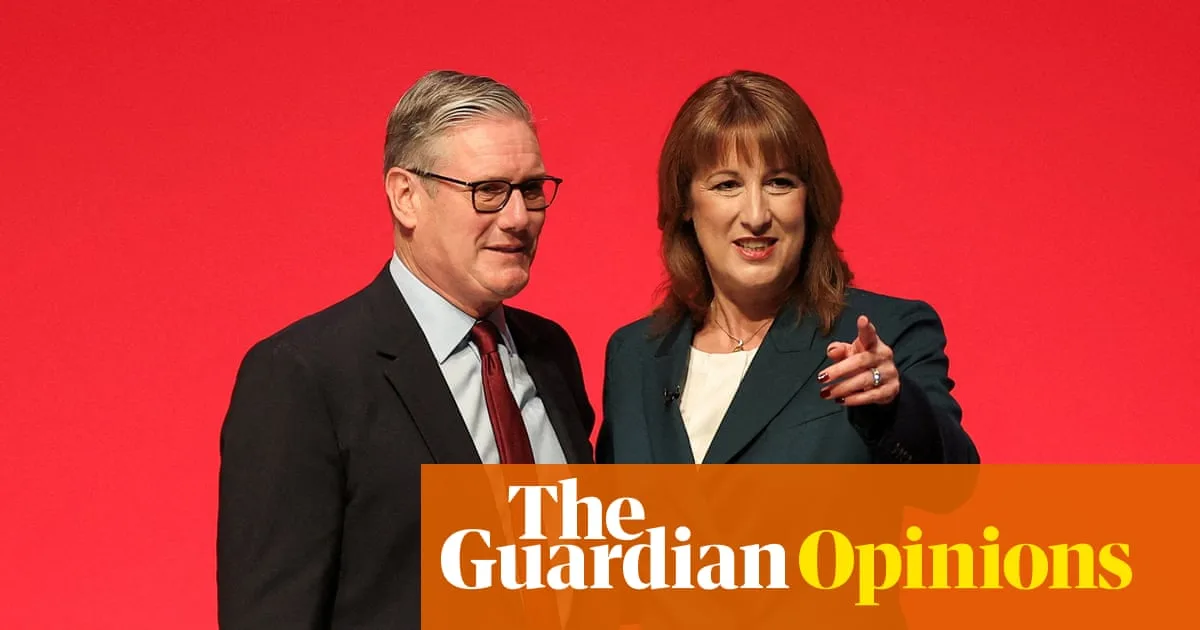
Rachel Reeves is expected to rely on stealth taxes when she delivers her second budget on 26 November, after plans to increase income tax were abandoned. The chancellor will instead raise revenue through measures such as freezing income tax thresholds, according to reports, citing a review of the economic outlook that suggests she can avoid breaking the manifesto commitment not to raise the “big three” taxes.
The move marks a retreat from earlier signals that the Labour government would pursue transparent tax reform. Less than two weeks ago, Reeves indicated she would speak openly about the need to raise taxes fairly to rebuild public services after years of austerity. However, Labour backbench MPs argued that breaking manifesto promises would cost them seats and the next election.
Chancellors have long favoured stealth taxes to avoid the political fallout of direct tax rises. Norman Lamont relied on freezes to income tax thresholds in the early 1990s, while Gordon Brown added 1p to national insurance for health spending. George Osborne increased VAT from 17.5% to 20% in 2011, breaking a manifesto pledge but citing the difficult global situation.
Rupert Harrison, Osborne’s former chief economic adviser, has warned Reeves against repeating the 2012 “omnishambles” budget, where several micro tax increases quickly unravelled. He noted that Osborne’s VAT rise was a transparent way to raise cash, unlike stealth measures.
Reeves now appears set to join her predecessors in relying on stealth taxes, avoiding a direct increase in income tax for the first time since 1975. The budget will be closely watched for the specific measures she chooses to implement.