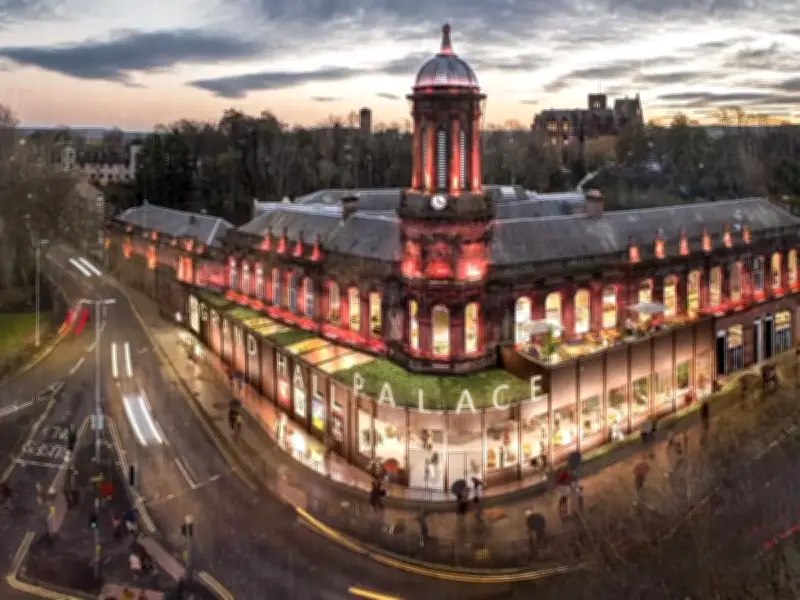
The cost of Kilmarnock's cultural regeneration project, which includes the refurbishment of the Palace Theatre, is expected to rise by more than £10 million, with council officials warning that the final bill remains uncertain.
East Ayrshire Council has confirmed that its Cultural Kilmarnock project is likely to exceed its approved £34 million budget by more than 30 per cent. That would take total expenditure beyond £44.2 million, although officers say a final forecast cannot yet be provided because of continuing changes to the financial position.
Financial pressures and causes
The council's latest East Ayrshire Performs report identifies severe financial pressures surrounding the development. It points to a combination of earlier contract decisions, hidden building defects discovered during construction, and changes to the scope of the works after the original contract was awarded.
Senior management state that they have increased oversight of the project, with the Corporate Leadership Team reviewing emerging risks, construction timescales and financial performance. Council officers have also held meetings with the principal project partners and contractors in an attempt to improve coordination and bring the escalating costs under control.
Concerns raised over additional spending
During the Cabinet discussion, Councillor Barry Douglas expressed concern about the scale of the potential additional expenditure. He questioned whether the council could still achieve savings or whether it was facing an unavoidable further bill. Referring to the possibility of approximately £10 million in extra spending, he asked: "Are there savings to be made from that or are we in for this £10 million come what may?"
He also called for greater involvement from elected members in monitoring the progress of major capital projects, suggesting that senior councillors and relevant Cabinet members could receive regular updates following the existing meetings of the council's capital programme oversight group. He also proposed a Cabinet visit to the Palace Theatre, saying: "I think we really need some more scrutiny around this".
Response and next steps
In response, Depute Chief Executive David Mitchell acknowledged the financial pressures and explained that the project had encountered several different types of difficulty. Some involved problems that could not have been identified until construction work was under way, including hidden defects within the existing building. Other issues related to decisions about the original scope of works and the allowances made when the contract was awarded.
Officers said fortnightly meetings were taking place to address problems involving the project team and contractors. Further changes to the construction programme had also been restricted to essential work in an attempt to limit additional expenditure. The discussion included a suggestion that Cultural Kilmarnock could become a standing item at councillor sounding board meetings.
The latest capital report also shows that the amount allocated to Cultural Kilmarnock during 2026/27 has been reduced from £16 million to £7.5 million. The remaining £8.5 million has been reprofiled into future years to reflect the revised timeline and is separate from the projected overspend. According to the report, £5.479 million had been spent on the project at the time of the reporting figures.
The Cultural Kilmarnock project was awarded £20 million from the UK Government's Levelling Up Fund in January 2023, with the remaining funding provided through East Ayrshire Council's capital investment programme. The council previously sought additional support from heritage funding bodies, but anticipated grants of £3 million from the National Lottery Heritage Fund and £500,000 from Historic Environment Scotland did not materialise.
Officers said work was continuing to stabilise expenditure and that a further report would be presented to Cabinet when the financial position became clearer. The written report suggests that this could happen towards the end of 2026. Until then, the anticipated additional spending remains a forecast rather than an approved final cost.