JCB Heir Threatens UK Exit Over Labour's Inheritance Tax Raid on Family Firms
JCB Heir Threatens UK Exit Over Inheritance Tax Raid

JCB Heir Warns of Potential US Relocation Over Inheritance Tax Changes

The heir to the JCB manufacturing fortune has issued a stark warning that the company could leave Britain due to Labour's inheritance tax proposals. Jo Bamford, son of JCB chairman Lord Bamford, stated the Staffordshire-based heavy machinery manufacturer might relocate operations to the United States to avoid paying what he described as a punitive 20 percent tax on assets exceeding £2.5 million upon his father's death.

"Family Tax" Threatens Centuries-Old Businesses

Ministers are proceeding with plans to charge inheritance tax on family-owned enterprises, triggering concerns that this could force historic businesses to either dismantle or lay off staff to generate necessary funds. Mr Bamford characterised this policy as a "real problem" that jeopardises JCB's future within Britain.

"It could quite easily become an American business," he told City AM. "I love being in Britain. I love being here. I love our factories here. But I would say to a political party of any stripe, look, there's only so much you can ultimately do."

Wide Pickt banner — collaborative shopping lists app for Telegram, phone mockup with grocery list

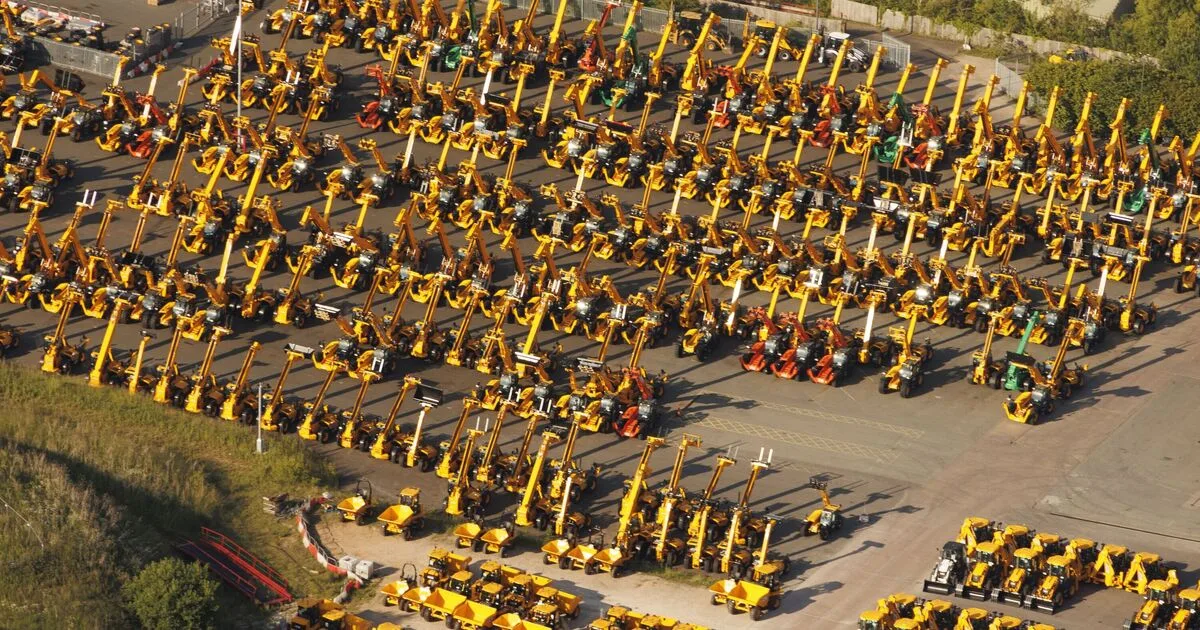
Established in 1945 by Joseph Cyril Bamford, Lord Bamford's father, JCB stands as one of Britain's largest family-owned manufacturing companies. The firm generates annual turnover exceeding £6 billion, producing heavy machinery for construction, agriculture, waste handling and demolition sectors. With eleven factories across the UK employing more than 8,000 workers, any relocation would represent a significant blow to British manufacturing.

Inheritance Tax Threshold Changes

From April 6, full inheritance tax relief will apply only to the first £2.5 million of a company's assets, with anything above that threshold facing a 20 percent charge. This represents an increase from the previous £1 million threshold, which was raised following concerns it could devastate Britain's family farms.

Mr Bamford emphasised his desire to remain in Britain but suggested Rachel Reeves' tax proposals might compel action. "I'm here because I'm British, and I'm here and I employ people in Britain because I like British people and I like being in my part of the community," he stated.

Growing Business Criticism

Mr Bamford joins other prominent business figures criticising the inheritance tax changes. Sir James Dyson previously labelled the policy an example of "revenge economics," warning on BBC Radio 4's Today programme that his company would need to find "billions of cash" upon his death, potentially forcing a sale.

"You have to pay a 20 percent inheritance tax," Sir James explained. "Actually it's 40 percent because you have to take a dividend, if you could, to pay the 20 percent. What it means is you'd have to sell the business. And who wants to start a family business if you can't leave it to your children, if it can't carry on in the same ethos to which it started."

The Dyson founder noted he had already introduced his son Jake into the family enterprise, expressing hope that "in my last gasp, I would like to see it going from strength to strength – for my son to take it over and for it to remain a family business."

Wealthy Considering Overseas Moves

A recent study indicates Labour's tax policies are prompting Britain's wealthiest individuals to contemplate relocating abroad. A survey of 200 tycoons worth at least £50 million revealed that government U-turn tax policies represented a more significant factor in considering departure than actual tax rates themselves.

The poll conducted by accountancy firm BDO showed two-thirds of ultra-wealthy individuals had considered leaving Britain within the past year for tax-related reasons, citing a "trust gap" between the rich and the Labour government. While 42 percent of respondents identified tax policies as their primary motivation, only 18 percent cited high tax rates as a factor.

Analysis further indicated 55 percent of ultra-wealthy individuals and their inheritors believed people had a responsibility rather than obligation to pay tax, with 82 percent viewing taxation as a "social responsibility to be paid in full." This suggests the issue extends beyond financial considerations to political perceptions.

Pickt after-article banner — collaborative shopping lists app with family illustration

"Change Fatigue" Among the Wealthy

Expert Elsa Littlewood suggested the ultra-wealthy are experiencing "change fatigue" within the tax system and feel "under constant pressure." She observed: "My sense is that they didn't want to go. But year on year there's been change after change, and living with that instability is wearing them down. For many, the final straw came when the government started making big changes to inheritance tax and noises around big capital taxes."

A Treasury spokesman responded: "We've listened and raised the relief threshold to £2.5 million to protect more small family businesses, while ensuring the largest make a fair contribution so we can deliver support for families and businesses, including cutting the cost of living."

The controversy highlights growing tensions between government revenue-raising ambitions and concerns about maintaining Britain's competitive edge for family-owned enterprises that have operated for generations.