Japan's Cat Obsession Fuels Multi-Billion Pet Industry

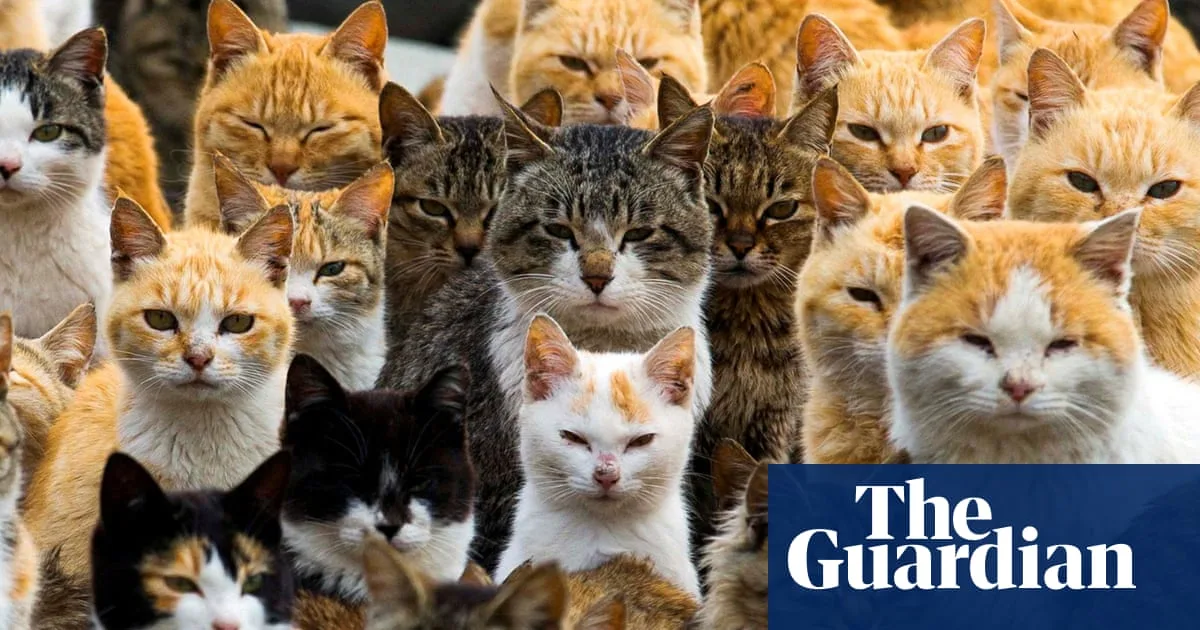
Japan's fascination with cats has evolved into a multi-billion-dollar industry, transforming the nation into a global hub for feline-related commerce. From cat cafes that dot urban landscapes to cutting-edge pet technology, the country's obsession with its whiskered companions shows no signs of slowing down.

The Economic Impact of Japan's Cat Culture

Industry analysts estimate that Japan's pet market, heavily dominated by cats, is now worth over $2 billion annually. This figure encompasses everything from premium cat food and healthcare to luxury accessories and innovative gadgets designed to pamper pets. The sector has grown steadily over the past decade, driven by an aging population and changing lifestyles that make cats ideal companions for those living in smaller spaces.

Cat Cafes: A Cultural Phenomenon

One of the most visible aspects of this trend is the proliferation of cat cafes. First appearing in Tokyo in the early 2000s, these establishments now number in the hundreds across the country. Patrons pay by the hour to enjoy coffee and pastries while interacting with resident felines. Many cafes also offer adoption services, helping to find homes for stray cats. The concept has proven so popular that it has spawned variations, including owl cafes and hedgehog cafes, but cat cafes remain the most beloved.

Wide Pickt banner — collaborative shopping lists app for Telegram, phone mockup with grocery list

High-Tech Innovations for Feline Friends

Japanese companies have also capitalized on the cat craze by developing advanced products. Automated self-cleaning litter boxes, app-controlled feeders, and interactive toys that mimic prey are among the innovations that have gained traction both domestically and internationally. One leading brand, Sharp Corporation, has introduced a robot vacuum cleaner designed to avoid cat toys and furniture, while another firm, Sony, has produced a robotic cat companion for elderly owners who cannot care for a live animal.

Luxury and Wellness for Cats

Beyond technology, there is a thriving market for high-end cat products. Designer cat beds, cashmere sweaters, and gourmet treats are readily available in upscale pet boutiques. Cat spas offering grooming and massage services have also emerged, catering to owners who spare no expense for their pets' well-being. Veterinary care has advanced significantly, with specialized clinics offering MRI scans, acupuncture, and even dental surgery for cats.

Cultural Roots of the Obsession

Japan's love for cats has deep cultural roots. The maneki-neko, or beckoning cat, is a common talisman believed to bring good luck and fortune. Cats appear frequently in Japanese folklore, literature, and art. In recent years, social media has amplified this fascination, with celebrity cats like Maru and Shiranui amassing millions of followers online. This digital presence has further boosted the industry, as viral videos and photos drive demand for cat-related merchandise.

Challenges and Future Outlook

Despite the economic success, the industry faces challenges. Stray cat populations remain a concern, and animal welfare advocates call for stricter regulations on breeding and sales. However, the overall trajectory remains positive. As Japan's population continues to age, cats are increasingly seen as low-maintenance companions that provide emotional support. With continued innovation and cultural enthusiasm, the cat industry is poised for further growth.

In conclusion, Japan's cat obsession is not merely a cultural quirk but a significant economic force. From humble beginnings in cat cafes to a sophisticated ecosystem of products and services, the nation's love for felines has created a thriving market that influences global trends. As long as cats continue to captivate the Japanese heart, the industry will likely keep expanding.

Pickt after-article banner — collaborative shopping lists app with family illustration