Economic repercussions from US-Israeli missile attacks on Iran are escalating into broader global impacts, with energy and food prices at risk. Iran has launched economic warfare in retaliation, and if the conflict continues, a third price surge since the pandemic will ripple through world markets.
For Britain, this adds pressure on living standards amid domestic political instability, as both Labour and Conservative parties face challenges. Keir Starmer's response to the war highlights a strategic problem: the UK's economy, built for globalisation, cannot easily adapt to a world where globalisation is unravelling.
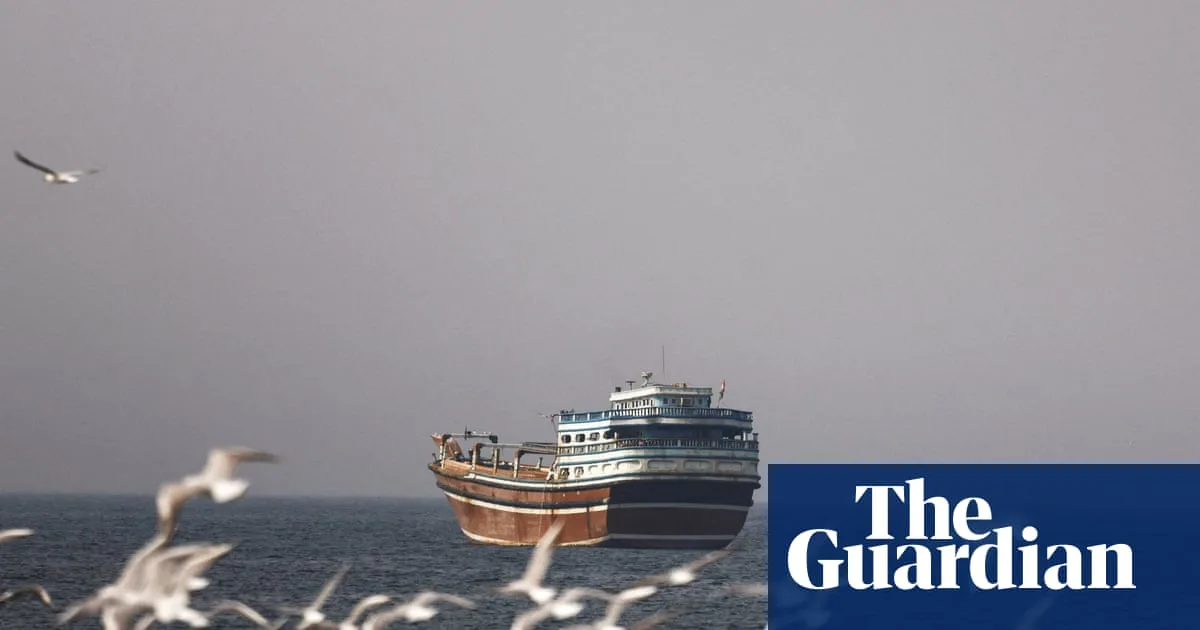
Global trade relies on narrow chokepoints such as the Strait of Hormuz, through which 20% of the world's oil passes, and the Bab el-Mandeb strait, a route for 40% of Asia-Europe trade. These are now effectively under blockade due to insurers cancelling war-risk cover in the Gulf. Washington has pledged insurance and naval escorts, but organising them could take weeks.
Britain is uniquely exposed to such pressures, as political economist Helen Thompson notes. The UK imports far more than it exports, relying on external financing to maintain living standards. This dependency leaves it vulnerable to capital flight, a pound collapse, and soaring interest rates if foreign confidence wanes.
Britain's debts to the rest of the world amount to about 550% of GDP, the highest among G7 countries. While this financial dependency is theoretically solvable, it underscores the UK's fragility in a deglobalising world where chokepoint disruptions and economic warfare are becoming more common.