

US-Israel War on Iran Drives Up Living Costs, Straining American Households
Following the US-Israeli strikes on Iran, which prompted retaliatory attacks and the closure of the critical Strait of Hormuz, global markets have been sent into turmoil. This conflict has directly impacted everyday Americans, with a sharp rise in living costs across the nation. Gas prices, grocery bills, mortgage rates, and fertilizer costs have all climbed significantly, creating a financial squeeze that is forcing many to reassess their budgets and cut back on basic necessities.
Spiking Fuel and Energy Expenses
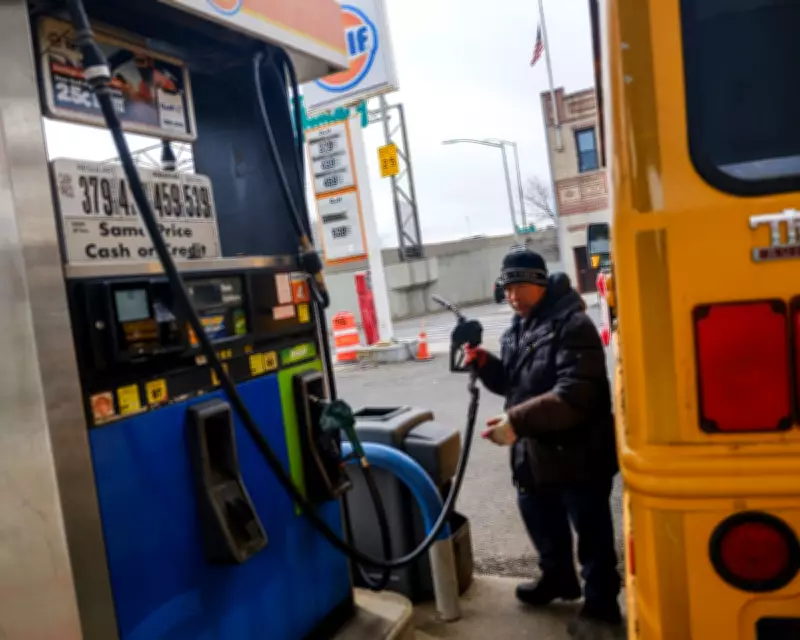
The national average for gas prices has surged by roughly 30% over the past month, placing a heavy burden on commuters and families. In Indiana, Elizabeth, a librarian, noted that filling her car tank now costs around $45, up from $30 previously. She has resorted to keeping her house cold in winter to save on natural gas bills, expressing uncertainty about how to manage rising electricity costs as weather warms up. Similarly, Lore, a bank employee from Indianapolis, is driving less and clinging to his aging 2012 Mazda to avoid new car expenses, highlighting the lack of reliable public transportation in his area.
Mounting Financial Pressures and Workloads
Many Americans are taking on extra work to cope with escalating expenses. A Massachusetts-based librarian described how her husband works 12 to 14-hour days across two delivery jobs, using his own vehicle with inadequate gas reimbursements. Despite both working full-time, they struggle to cover rent, groceries, health insurance, and utilities, with retirement savings seeming unattainable. In New York, an elderly woman employed at a law library and a gas station convenience store lives frugally, unable to afford vacations or savings, and worries about ongoing tax payments and future healthcare costs like Medicare and long-term care insurance.

Impact on Small Businesses and Healthcare
The economic strain extends to small business owners, such as a Pennsylvania tattoo artist who shut down his private studio after three years due to decreased demand for luxury items like tattoos. He now works in quick-service restaurants, criticizing policies that he believes make essentials more expensive and expressing concerns about his retirement funds and potential military drafts for his sons. Additionally, healthcare anxieties are intensifying; a Michigan bread factory worker fears his medication might fail, leading to seizures during his unsafe walk to work, which could result in increased medical bills and time off for recovery.
Overall, the US-Israel war on Iran has not only heightened geopolitical tensions but also exacerbated domestic financial hardships, leaving many Americans questioning their ability to sustain their current lifestyles and plan for the future.






