

Iran War Fallout: How Conflict Hits UK Households from Fuel to Food
As the US-Israel war on Iran intensifies, ordinary British families are bracing for significant financial strain, with effects rippling through daily life from cancelled holidays to rising pet care costs. While the UK remains not directly involved, the conflict's global repercussions are already being felt on British soil, threatening to push already struggling households to the brink.
Fuel Prices Skyrocket Amid Energy Crisis
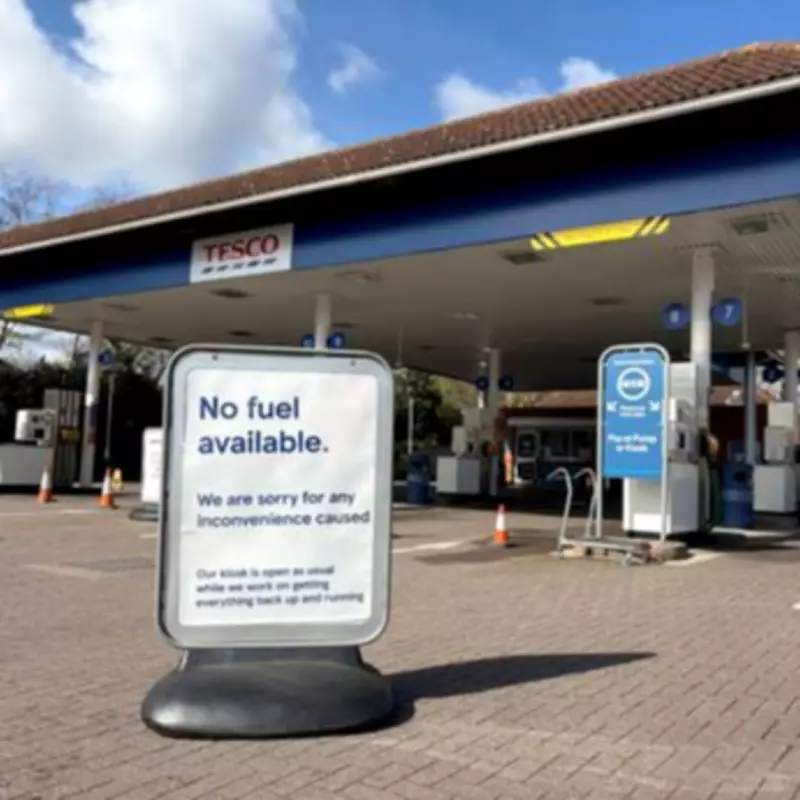
One of the most immediate impacts is at the petrol pumps. Since the war began on February 28, motorists have paid an additional £300 million, according to the RAC Foundation. By March 24, unleaded petrol averaged 144.16p per litre, and diesel hit 166.88p, marking the highest diesel price since March 2023 and the highest unleaded since July 2024. This surge is driven by Iran's block on tankers in the Strait of Hormuz, a vital corridor for nearly one-fifth of global oil supplies, pushing oil prices above $100 a barrel.
Mike Scott, an award-winning climate change journalist, warns that petrol and gas costs will rise significantly due to disrupted supplies. He cautions that fuel shortages in Europe could begin as early as next month if the war drags on, potentially leading to rationing and queues. However, he notes that renewable energy generation, accounting for over half of UK power in 2024, offers some stability, with electric vehicle charging costs rising less sharply than for petrol and diesel drivers.

Energy Bills and Household Costs Set to Climb
While the energy price cap is lowered to £1,641 from April to June, experts fear a later hike. Laura Suter of AJ Bell estimates household bills could rise by up to £1,000 annually, potentially surging above £2,500 depending on conflict developments. Ramin Nakisa, founder of PensionCraft, explains that oil price spikes feed into electricity bills, as gas-fired power stations often set marginal prices in the UK.
Chancellor Rachel Reeves has met with supermarkets and banks to discuss support but has announced no new measures, leaving many MPs disappointed. This lack of action compounds worries for cash-strapped families facing mounting pressures.
Mortgage Rates and Financial Strain Intensify
Lenders have responded to market shockwaves by raising fixed-rate mortgage interest rates. The average two-year fixed mortgage now stands at 5.56%, up from 4.83% at the start of March, with over 1,500 products withdrawn since March 9. Nakisa highlights that sustained high energy and food prices could keep inflation elevated, delaying Bank of England interest rate cuts and costing variable-rate mortgage holders hundreds of pounds extra annually.
Food Inflation Threatens to Double by Summer
Brits already grappling with grocery bills 38% higher than pre-Covid levels face further pain. The Institute of Grocery Distribution predicts a "short-lived but severe" hike in food prices, with inflation potentially more than doubling by summertime, adding over £150 to the average household's yearly bill. Disruptions to fertiliser supplies from the Gulf, essential for planting season, could reduce yields and drive up costs. Nakisa notes that ammonia-based fertiliser production relies on natural gas, so price spikes directly impact supermarket shelves.
Holiday Plans Disrupted and Consumer Electronics at Risk
Travel is severely affected, with jet fuel prices soaring 80% in the week after the crisis began. This could lead to higher airline ticket prices and shifts in holidaymaker trends, with increased demand for destinations like the Dominican Republic and Cape Verde, and more Brits opting for UK or Western European holidays. Scott warns that flight cancellations and route closures may cause additional disruptions, while holiday insurance costs could rise for riskier destinations.
Phone bills may remain stable, but consumer electronics could see long-term price increases due to shipping disruptions and helium shortages. Qatar, producing a third of the world's helium, faces supply blocks, impacting chip manufacturing for phones, computers, and cars.

'Petflation' Adds to Family Burdens
Even family pets are not spared, with 'petflation' affecting food and vet bills. Pet food costs are tied to the same commodity and supply chain issues as human food, while veterinary pharmaceuticals and equipment imports may become more expensive if the pound weakens.
In summary, the Iran war's fallout extends far beyond geopolitical headlines, embedding itself in the daily finances of UK households. From fuel pumps to supermarket trolleys, the conflict threatens to exacerbate the cost-of-living crisis, underscoring the urgent need for supportive measures as families navigate these turbulent times.





