Businesses are facing rising costs during the U.S. and Israel's war against Iran, and economists expect more strains ahead. Costs are piling up for businesses during the conflict, and many economists see a bleak outlook, with some bracing for a downturn in hiring and investment in the coming months.
Survey Reveals Widespread Impact
Nearly half of American business economists who responded to a survey by the National Association for Business Economics (NABE) say that the conflict has negatively impacted their operations, according to a report released Monday. Most respondents (54%) say they've been affected by rising energy prices. More than two-thirds reported steeper material expenses over the last three months, the highest level NABE has seen since July 2022.
Energy Crisis and Supply Disruptions
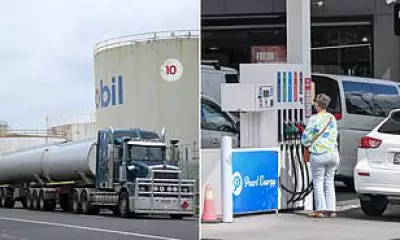
The Iran war, which began with U.S. and Israeli attacks on Feb. 28, has plunged the world into an energy crisis. Crude oil costs continue to rise amid Washington and Tehran's ongoing standoff in the Strait of Hormuz, worsening price spikes for companies and households around the globe. As fuel gets more expensive, transportation costs are eating further into businesses' everyday operations. Supply disruptions for a range of other necessities, including fertilizer, are also causing growing strain.

Consumers Bear the Brunt
Consumers are footing more and more of that bill as businesses pass higher costs to their shoppers, beyond the immediate sticker shock at the gas pump. Nearly half (48%) of NABE's survey respondents—who are economists from businesses, trade associations, and academia—indicated that their firms were passing on at least some cost increases to customers, which is actually down from 60% in January. But NABE found that a growing number (16%) also expect to raise prices over the next six months, while none plan to lower prices.
Profit Outlook Weakens
Most of the respondents say their firms are seeing strong sales now and have stable profit outlooks. That falls in line with what traders are more widely feeling on Wall Street, where eye-catching earnings from companies ranging from tech to big oil have helped propel markets to near-record highs recently. Still, only 13% of the NABE survey's respondents said they expect their profits to rise in the near future. NABE says that's the lowest share it's seen since 2023.
Employment and Investment at Risk
Employment and spending could see more impacts soon. Nearly a quarter of NABE survey respondents said they plan to scale back investment and hiring in the next six months. “Sales over the past three months were steady, but materials costs increased and profit margins declined,” Martha Moore, chair of the NABE’s survey, said in a prepared statement—noting that expectations had “softened” across several indicators, while the outlook for prices continues to accelerate.
Recession Concerns Rise
Moore, who is also chief economist and managing director at the American Chemistry Council, pointed to rising recession concerns. Half of the survey's respondents see a more than one-in-four chance the U.S. falls into a recession within the next year, up from 44% of respondents who projected such a likelihood in January, NABE found.