

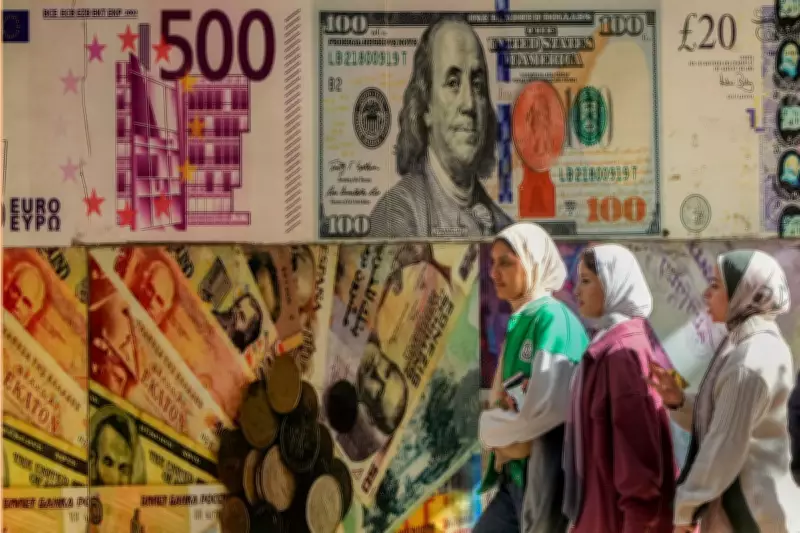
The International Monetary Fund has announced the release of approximately $2.3 billion in funding to Egypt, following a comprehensive review of the country's economic reform program. This decision marks a significant milestone in Egypt's efforts to stabilize its economy and combat inflationary pressures.
Economic Recovery and Reform Progress
In an official statement released on Wednesday, the IMF highlighted that Egypt has made substantial progress in restoring economic stability and reducing inflation as part of its reform agenda. The Fund credited these reforms with fostering "a broad-based economic recovery" in the Arab world's most populous nation.
The IMF noted that Egypt's gross domestic product grew at a rate of 4.4% from 2024 to 2025, demonstrating positive momentum. Additionally, inflation has shown a remarkable decline, falling from a peak of 38% in September 2023 to 11.9% in January of this year.

Key Reform Measures
Egypt's government has implemented several crucial measures to address economic challenges, including the flotation of the Egyptian pound and strategic interest rate hikes. These actions have been instrumental in tackling the country's foreign currency shortage and curbing inflationary trends.
Background of IMF Support
This latest disbursement is part of an expanded financial support package for Egypt. Originally, a $3 billion bailout loan was approved in 2022, which was subsequently increased to $8 billion in 2024. This enhanced funding was designed to bolster an economy grappling with severe foreign currency shortages and soaring inflation rates.
Persistent Challenges and IMF Recommendations
Despite the progress noted, the IMF emphasized that economic improvements "have been uneven." The Fund pointed out that too much of Egypt's economy remains under state control, stating that "decisive efforts to reduce the state's footprint in the economy will be essential" for sustained recovery.
External Economic Pressures
Egypt's economy has faced multiple external shocks in recent years, including the lingering effects of the coronavirus pandemic, economic fallout from Russia's full-scale invasion of Ukraine, and regional instability from the Israel-Hamas conflict in Gaza.
Furthermore, attacks by Houthi rebels in Yemen on shipping routes in the Red Sea have significantly reduced Suez Canal revenues, which represent a crucial source of foreign currency for Egypt. These security concerns have diverted maritime traffic away from the canal, forcing ships to take longer routes around the southern tip of Africa.
Socioeconomic Context
According to the latest government statistics, approximately 30% of Egypt's population of over 108 million people lives below the poverty line. This economic vulnerability underscores the importance of continued reform efforts and international support to improve living standards and economic opportunities for millions of Egyptians.
The IMF's decision to release this substantial funding reflects cautious optimism about Egypt's economic trajectory while acknowledging the significant challenges that remain. As Egypt continues its reform program, international observers will be watching closely to see how these measures translate into tangible improvements for the Egyptian people and the broader economy.






