IMF Warns Iran War 'All Roads' Lead to Higher Prices and Slower Growth
IMF: Iran War Drives Higher Prices, Slower Growth Globally

The International Monetary Fund has issued a stark warning that the ongoing conflict in the Middle East is creating divergent economic pressures across the globe, but all potential outcomes point toward higher consumer prices and decelerated growth.

Uneven Global Impact

The influential economic institution stated that the war's effects are simultaneously worldwide and highly uneven, with some nations facing particularly severe cost-of-living pressures. In a detailed blog post published on Monday, IMF economists explained how different regions are experiencing the economic fallout in markedly different ways.

Energy Importers Bear the Brunt

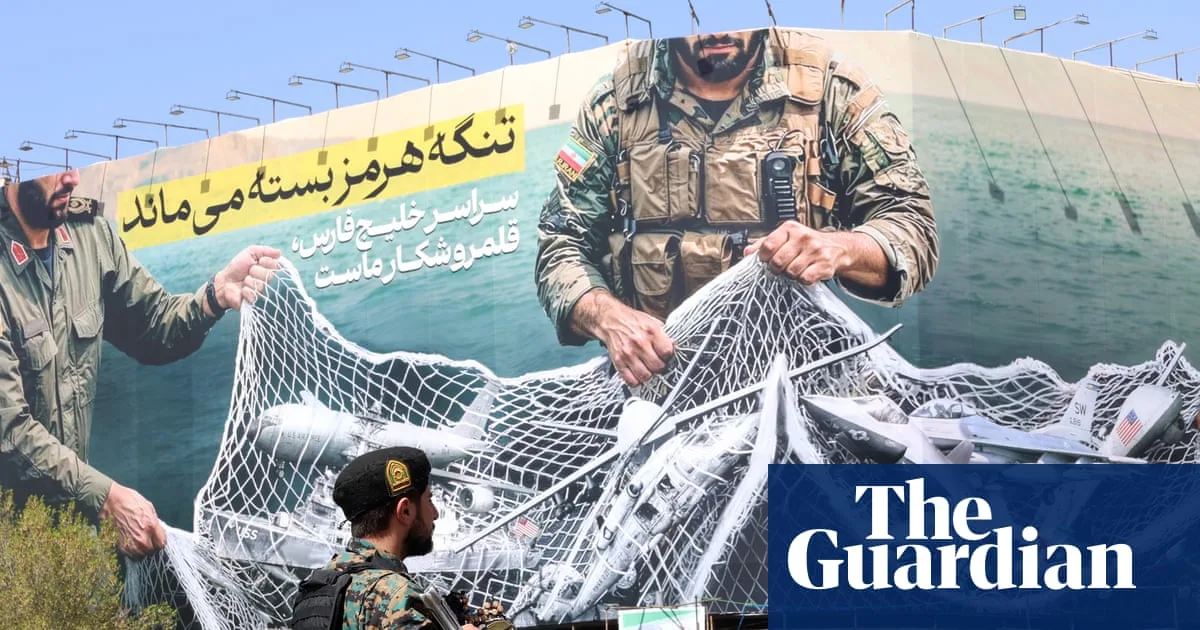
Large energy-importing countries in Asia and Europe are suffering most acutely from elevated fuel prices and increased input costs. This economic strain stems primarily from the effective closure of the Strait of Hormuz, which has brought shipments of oil and gas to a virtual standstill.

Wide Pickt banner — collaborative shopping lists app for Telegram, phone mockup with grocery list

According to the IMF analysis, nations like the United Kingdom and Italy have been especially vulnerable due to their substantial reliance on gas-fired power generation. In contrast, countries such as France and Spain have enjoyed greater protection thanks to their more diversified energy portfolios, which include significant nuclear and renewable energy sources.

Food Security Concerns Mount

The organization also highlighted growing anxieties about potential spikes in food prices resulting from disruptions to fertilizer shipments originating in the Middle East. The timing of these supply chain interruptions is particularly problematic, coinciding with the beginning of planting season across the Northern Hemisphere.

"The interruption of crop-nutrient supplies from the Gulf comes just as planting season begins in the Northern Hemisphere, threatening yields and harvests through the year and pushing food prices higher," the IMF cautioned. This development could have cascading effects on global food security and affordability.

Vulnerable Economies at Greatest Risk

The IMF emphasized that the most economically vulnerable nations will "bear the heaviest burden" from these developments. People living in low-income countries typically spend a much larger proportion of their household incomes on basic necessities like food, making them particularly susceptible to price increases.

"Although the war could shape the global economy in different ways, all roads lead to higher prices and slower growth," the international financial institution warned in its assessment. The ultimate economic consequences will depend significantly on the conflict's duration and the extent of damage inflicted on critical infrastructure and supply networks.

Long-Term Economic Outlook

The IMF suggested that the world economy might ultimately "settle somewhere in between" various possible scenarios, with tensions persisting, energy costs remaining elevated, and inflation proving difficult to control. This intermediate outcome would still represent significant economic headwinds for most nations.

Stepping Up Support Measures

In response to these mounting challenges, the IMF announced it is intensifying its support for member countries, particularly those most vulnerable to economic shocks. The organization, which counts approximately 190 nations among its membership, is providing policy guidance and, where necessary and coordinated with the international community, direct financial assistance.

The institution's economists stressed that while the specific economic pathways may vary by region and circumstance, the fundamental direction remains consistent across all plausible scenarios: increased inflationary pressures combined with diminished economic expansion. This dual challenge presents policymakers worldwide with complex decisions about balancing growth objectives with price stability concerns.

Pickt after-article banner — collaborative shopping lists app with family illustration