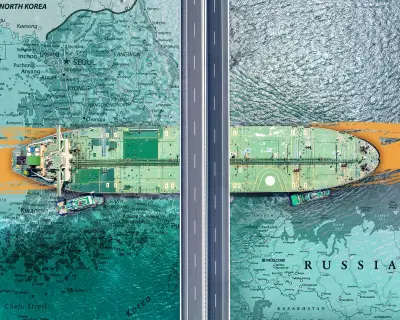
The global oil crisis sparked by the Iran war has fundamentally altered the fossil fuel industry, with countries turning away from oil and gas to secure energy supplies, according to Fatih Birol, executive director of the International Energy Agency (IEA). In an exclusive interview with the Guardian, Birol said the crisis would have lasting consequences, boosting renewables and nuclear power while reducing demand for fossil fuels.
Birol stated that the perception of risk and reliability of fossil fuels has changed irreversibly. 'The vase is broken, the damage is done – it will be very difficult to put the pieces back together,' he said. He predicted a significant shift towards electrification and renewable energy, which would cut into oil markets for years to come.
On the UK's North Sea expansion, Birol advised against granting new exploration licences, arguing that fields like Jackdaw and Rosebank would not improve energy security or lower prices. 'They won't provide any significant quantities of oil and gas for many years to come,' he said, adding that from a business perspective, major investment in exploration may not make sense.
Birol also warned that high fossil fuel prices could push developing countries towards coal, but noted that solar power is now cost-competitive and growing faster. He called renewables a 'no-regrets' option and said nuclear power is likely to increase. However, he cautioned that it is too early to impose windfall taxes on energy companies in this crisis.
The IEA chief's comments were welcomed by the UK government, which has pledged to ban future exploration licences but faces pressure to permit fields already in the pipeline. A Labour source said they were 'delighted' that Birol endorsed a managed transition in the North Sea.