

Hospitality Industry Urges Chancellor to Scrap Planned Tourist Tax
More than two hundred hospitality and leisure industry leaders have issued a direct plea to Chancellor Rachel Reeves, urging the government to abandon its plans to introduce a tourist tax in England. The industry chiefs, representing major accommodation firms including Butlin's, Hilton, and Travelodge, argue that such a levy would disproportionately impact families, endanger jobs, and drain financial resources from local communities.
Government Plans for Local Visitor Levies
In last year's autumn budget, the chancellor confirmed that English regional mayors would be granted full powers to implement visitor levies on overnight stays in hotels, Airbnbs, and holiday lets. This move is designed to provide local leaders with additional funds to invest in infrastructure and transport projects, mirroring similar devolved measures already in place in Scotland and Wales.
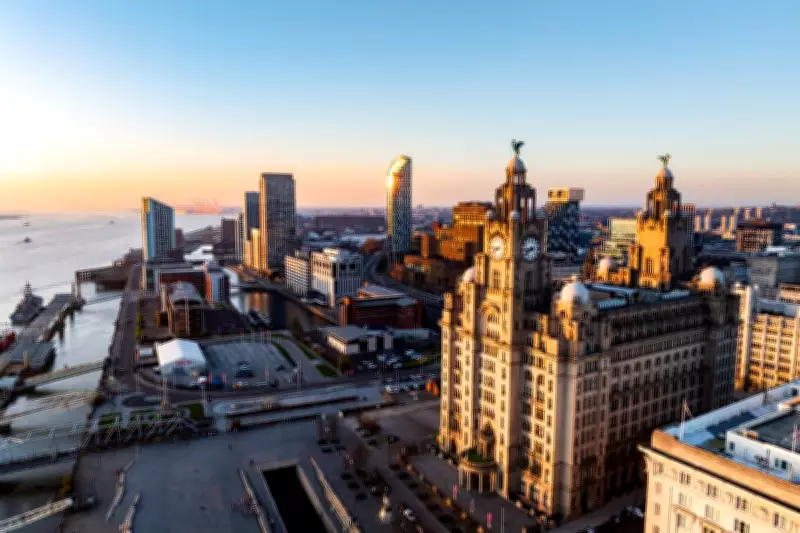
Ministers have indicated that these tourist taxes, also known as visitor levies, would be "modest" in scale. Several English cities, including Manchester and Liverpool, have already introduced comparable arrangements through partnerships with local businesses, rather than as formal local authority taxes. Mayors in London and Liverpool have expressed support for the plans and indicated their intention to implement such levies.

Industry Concerns and Economic Impact
In a strongly worded letter to the chancellor, the hospitality bosses stated: "This 'Holiday Tax' will hit families hardest, puts jobs at risk, drain money from local businesses and communities and undermine the Government's growth agenda." They emphasized that for many hardworking families, a UK holiday represents a crucial opportunity to relax and spend quality time together.
The industry leaders warned that the tax could make holidays unaffordable for numerous families, potentially leading to shortened trips, cancelled breaks, reduced spending at local pubs, restaurants, and attractions, or even prompting travelers to spend their money overseas instead. They argued that this would divert economic benefits away from English communities and create jobs in other countries.
Existing Pressures on the Hospitality Sector
The letter also highlighted the significant challenges already facing the UK hospitality industry, including:
- Rising business rates
- Increasing energy costs
- Growing tax bills
- Escalating employment costs
The hospitality operators pointed out that the sector already contributes billions of pounds in tax through business rates, employment taxes, and VAT. They noted that the UK's 20% VAT rate is double that of competitors in popular European destinations such as France, Italy, Spain, and Portugal.
Call to Action and Government Response
The industry's message concluded with a direct appeal: "Do not turn the Great British break into a luxury. Scrap the holiday tax and back the families, workers and the businesses who make England worth visiting."
A Government spokesperson responded by stating: "Tourists travel from near and far to visit England's brilliant cities and regions. We're giving our mayors powers to harness this and put more money into local priorities, so they can keep driving growth and investment in the economy, supporting thriving communities. We expect any new charges to be modest and in line with other countries, and it is for mayors to consider the right level for their area."
Broader Context and Regional Developments
The debate over tourist taxes occurs against a backdrop of similar measures being implemented elsewhere in the UK. The Scottish capital Edinburgh is scheduled to introduce a five percent visitor levy in July, following devolved arrangements in Scotland and Wales that have empowered local authorities to raise revenue through tourism-related charges.
As the government moves forward with its plans to grant mayors these new taxation powers, the hospitality industry's opposition highlights the ongoing tension between generating local revenue and maintaining the affordability and appeal of domestic tourism. The outcome of this dispute will have significant implications for both local economies and the millions of families who choose to holiday within England each year.






