Strait of Hormuz Shutdown Threatens Australian Economy with Inflation Surge
Iran's decision to effectively close the Strait of Hormuz, a critical global trade route, in response to US and Israeli military strikes has sent oil prices soaring, with severe implications for the Australian economy. Experts warn this geopolitical move could create a domino effect, increasing inflation, interest rates, and the cost of consumer goods, including food and fuel.
Fuel Price Ripple Effects Across the Economy
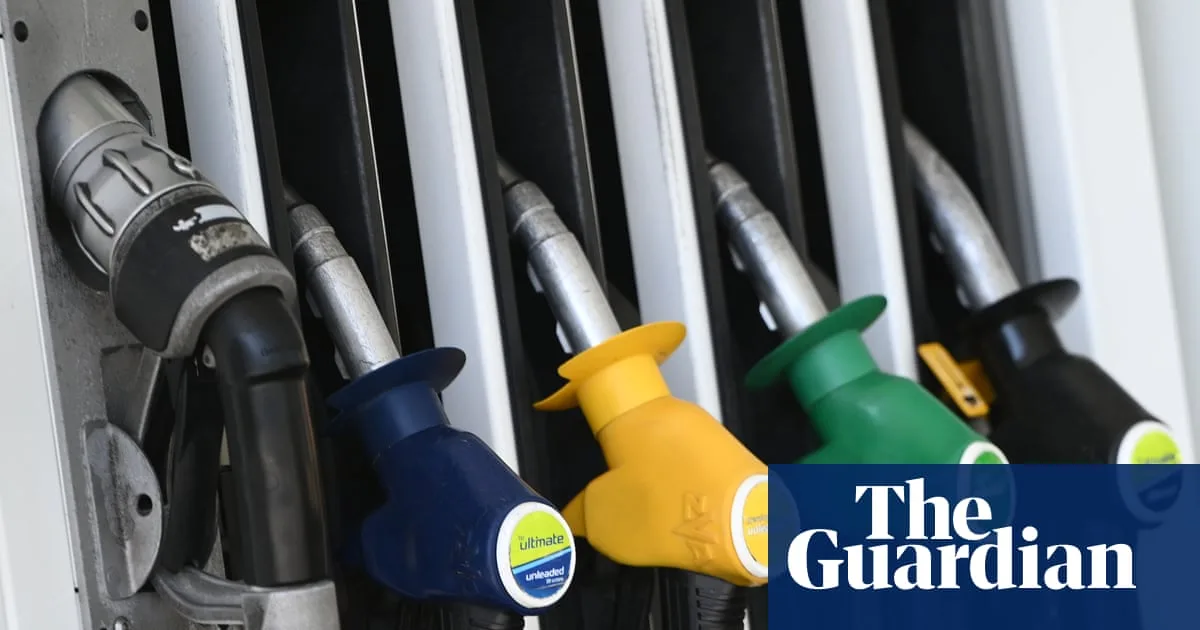
Professor Vito Mollica, deputy dean of research and innovation at Sydney's Macquarie Business School, explained that rising fuel costs will have compounding impacts. "The knock-on effect of ongoing and higher fuel prices is always that inflation is going to be unexpectedly higher," he said. "If there is greater uncertainty around your fuel supply, prices will go up because demand hasn't been tempered and supply has been cut short."
These increases will ripple through freight costs, food production, property markets, and household budgets. Professor Mollica emphasized that the effects are multiplicative, stating, "Think about producing food, and where are we going to get that food from? The domino effect is multiplicative."
Uneven Impact on Consumers and Businesses
Professor Mollica noted that the economic pain won't be felt equally. "They're not going to be equally felt by all consumers, or all Australians for that matter," he said. Rising fuel costs could reduce international and interstate travel, while some domestic consumers might benefit if Australian exports are limited, though this is complex. "Okay, you have to be able to take those goods that we would typically export and convert them into finished products. So it's not like just us having iron ore cheaper makes our fuel cheaper," he clarified.
Property Market and Interest Rate Pressures
The property market faces mixed impacts. "Housing is traditionally seen as a safe area, so people with discretionary funding may decide to put their money into bricks and mortar," Professor Mollica said. However, for over-leveraged homeowners, rising interest rates pose risks. "Will this mean that we could see a pick-up in arrears and foreclosures? I don't think you'll see that immediately," he added, noting that Australian consumers might bear increased costs temporarily.
Business Sentiment and Broader Supply Chain Disruptions
According to the MQBS BOSS Index from Macquarie University, businesses expect prices to rise by 3.7 per cent, a 40-basis-point increase following the conflict escalation. "While this is a material shift, it is not yet catastrophic. However, the longer the war persists and potentially broadens, the greater the upside risk to inflation," Professor Mollica warned.
The conflict has also disrupted fertiliser supplies and supply chains. "Something I've been concerning myself with is it's not only fuel, but it's the reliable source of fertiliser," he said. "If we don't get this fertiliser, our crop yields are not going to be great. Some farmers might not decide to harvest, because it's a bit of a gamble."
Expert Insights on Specific Sectors
Dr Lurion De Mello, a senior lecturer in applied finance and fuel security expert at Macquarie University, highlighted impacts on seafood. "Diesel is going to have an impact across everything," he said. "Our fishing trawlers rely on it. There's now pressure that seafood prices are going to go up."
Dr Vinh Thai, professor of logistics and supply chain management at RMIT University, noted broader implications. "A prolonged or expanding conflict in the Middle East will inevitably strain the supply of key inputs into Australia," he said. Petrochemicals, derived from crude oil, underpin over 6,000 everyday products, including medical supplies. "Australia imports around 90 per cent of its medicines, with pharmaceutical products ranking among the country's top 10 imports," Dr Thai explained. Disruptions could lead to longer shipping times, shortages, and price increases for medical and consumer goods.