

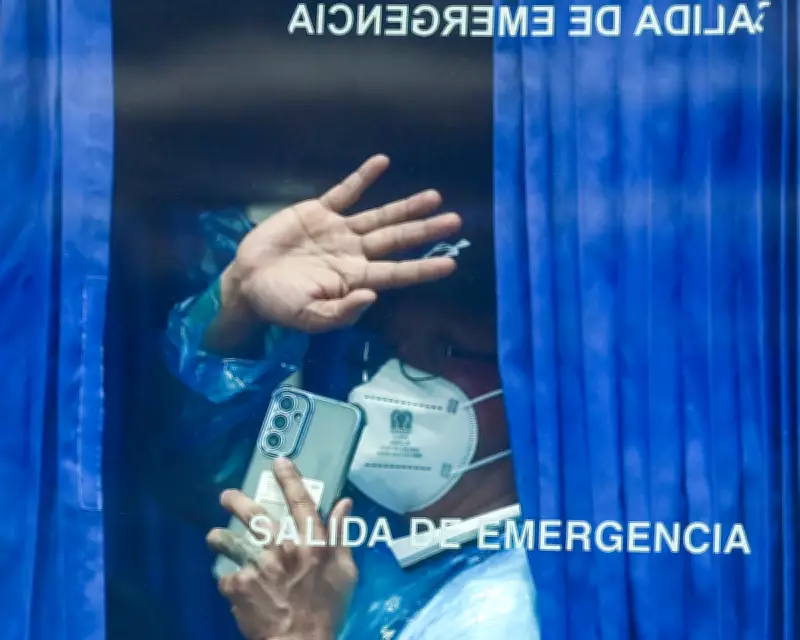
The hantavirus outbreak on the cruise ship MV Hondius has been handled well according to public health protocols, but experts warn that dangerous days lie ahead. Professor Devi Sridhar, chair of global public health at the University of Edinburgh, emphasises that this is not another Covid-19 pandemic, but the situation requires careful monitoring.
Current Risk Assessment
For now, the risk to the general public remains low. Health experts are watching for new infections outside the original cruise ship group, which would signal further spread and higher-risk alerts. Hantavirus outbreaks occur regularly worldwide, but the unique aspect of this outbreak is its location on a cruise ship with 150 passengers of 23 nationalities.
Challenges of Cruise Ship Outbreaks
Cruise ships present significant challenges for outbreak control due to close living conditions, frequent port stops, and the international nature of passengers. Decisions about whether to keep passengers on board or allow them to disembark involve complex trade-offs. In this case, some passengers left before the outbreak was detected, potentially exposing others on commercial flights.

The Andes strain of hantavirus, which can transmit from human to human, adds to concerns. Its incubation period of one to eight weeks means that negative tests do not guarantee safety, and symptoms may appear later.
Public Health Measures
Without an approved vaccine or specific treatment, authorities rely on isolation, quarantine, and N95 masks. The World Health Organization has coordinated the response, with countries like the UK implementing supported quarantine measures at facilities such as Arrowe Park hospital.
Secondary infections from passengers who disembarked early have not yet been identified, but the coming weeks will be critical. The long incubation period means cases could emerge one to two months later, requiring sustained vigilance.
International Coordination
With 23 governments involved, successful management depends on consistent containment protocols. The US withdrawal from the WHO and elimination of CDC cruise inspectors has made the response more challenging, but the WHO has stepped up to lead the effort.
Scientists are expediting vaccine studies, testing existing drugs, and developing diagnostics. While the situation remains serious, the global public health community is mobilised to contain the outbreak.






